Modern gadgets are getting smaller and smarter every day. We see them on wrists, in shoes, and even woven into shirts. Designing a single cool device in a lab is fun. Scaling that design to reach millions of people is a different story. It takes careful planning and high standards to make sure every unit works the same. Companies have to solve many hardware and software puzzles to succeed. Let’s look at the steps required to scale these high-tech tools.

Moving From Prototypes to Production
Moving a design from a creative studio to a massive factory floor presents many hurdles. When looking at product growth, the wearable tech sector faces many unique hurdles during manufacturing. Staying consistent across thousands of units requires a solid grasp of supply chain logistics. Engineers often find that what works for a hand-built model does not work for a robot. Machines need perfect parts to put things together fast. If a part is off by a tiny fraction, the whole line stops. This waste costs a lot of money and slows down the launch. Factories must set strict rules for every step to keep things moving.
Producing at scale means every second counts. Managers look for ways to shave off time without losing quality. They might use faster glue or better robots to speed things up. Every change must be tested to see if it hurts the final product. A tiny change in heat can ruin a sensor. These small details are what separate a successful brand from a failure. High production standards are the only way to win in a tough market.
The Difficulty of Shrinking Hardware
Making tech small is one of the hardest parts of the job. There is very little room inside a smart ring or a tiny patch. Every millimeter counts when you are fitting in a battery and a chip. Engineers use high-density circuit boards to save space. These boards have many layers of wires packed into a thin sheet. If the layers shift during heat treatment, the board fails.
Manufacturers have to use special tools to see these tiny errors. They use X-ray machines to look inside the boards. This catches hidden cracks or loose wires. Here are some of the parts that take up the most space:
- Stacked battery cells
- Flexible printed circuits
- MEMS sensor modules
- Thin film antennas
Using these parts allows for sleek designs. But they are much harder to handle than standard parts. Workers need steady hands and high-tech tools to place them. Even a small drop of static electricity can fry the chips. Static-free floors and mats are a must in these factories.
Managing Sterile Assembly Zones
Sensors are the heart of these devices. They need to be very clean to work properly. A single speck of dust or a stray hair can block a light sensor. This is why assembly happens in cleanrooms. These rooms have special air filters that catch tiny bits of dirt. Workers wear full suits to keep their skin and hair away from the parts.
Even the air pressure is controlled to push dust out. Keeping a factory this clean is expensive – but it is the only way to get good results. High-tech sensors cannot function in a dirty environment. If a heart rate monitor gets dust inside, it will give bad readings. This leads to returns and unhappy customers. Staying clean is a key part of the production process.
Aligning With Modern Medical Metrics
Standards for data collection are getting tighter as well. A recent medical journal article discussed a new consensus on how to track mobility in elderly groups. Following these unified methods helps engineers create products that medical professionals can trust. Users want to know that their heart rate or step count is correct. If two different brands show different numbers, the user gets confused.
By following industry-wide rules, brands can prove their tech is accurate. This is especially true for devices used in health care. Accuracy becomes a matter of safety for many patients. Engineers work with doctors to test their algorithms. They want to make sure the software interprets the sensor data correctly. This bridge between tech and health is growing every year.
Testing For Extreme Real-World Use
Before a product goes to a store, it must survive the real world. People wear these devices while they swim, run, and sleep. They drop them on concrete or spill coffee on them. Testing labs put units through many rough days in just a few hours. They use machines to shake the devices and ovens to bake them.
If a watch fails after an hour in a pool, it cannot go to market. The casing must be sealed perfectly with gaskets or glue. This seal has to last for years, not just days. Brands use these tests to find weak spots in the design:
- Ingress protection tests
- Drop and impact sims
- Thermal shock cycles
- Sweat and chemical exposure
These tests help the team pick the best materials. Some glues work great in the cold but fail in the heat. Finding the right mix takes months of work. A durable product builds a strong reputation for a company.
Handling Complex Global Supply Chains
Getting the right parts is a constant battle. A single device might have parts from 10 different countries. If a factory in one country closes, the whole project stalls. Managers have to find backup suppliers for every chip and screen. This keeps the price stable even when things get difficult.
They also have to think about how to move the parts. Flying parts are fast but cost more. Shipping by boat is cheaper but takes weeks. Balancing these choices is key to keeping the product at a good price point. A late shipment of batteries can stop the whole factory. Strong ties with suppliers make the process smoother.
Choosing Long-Lasting Materials
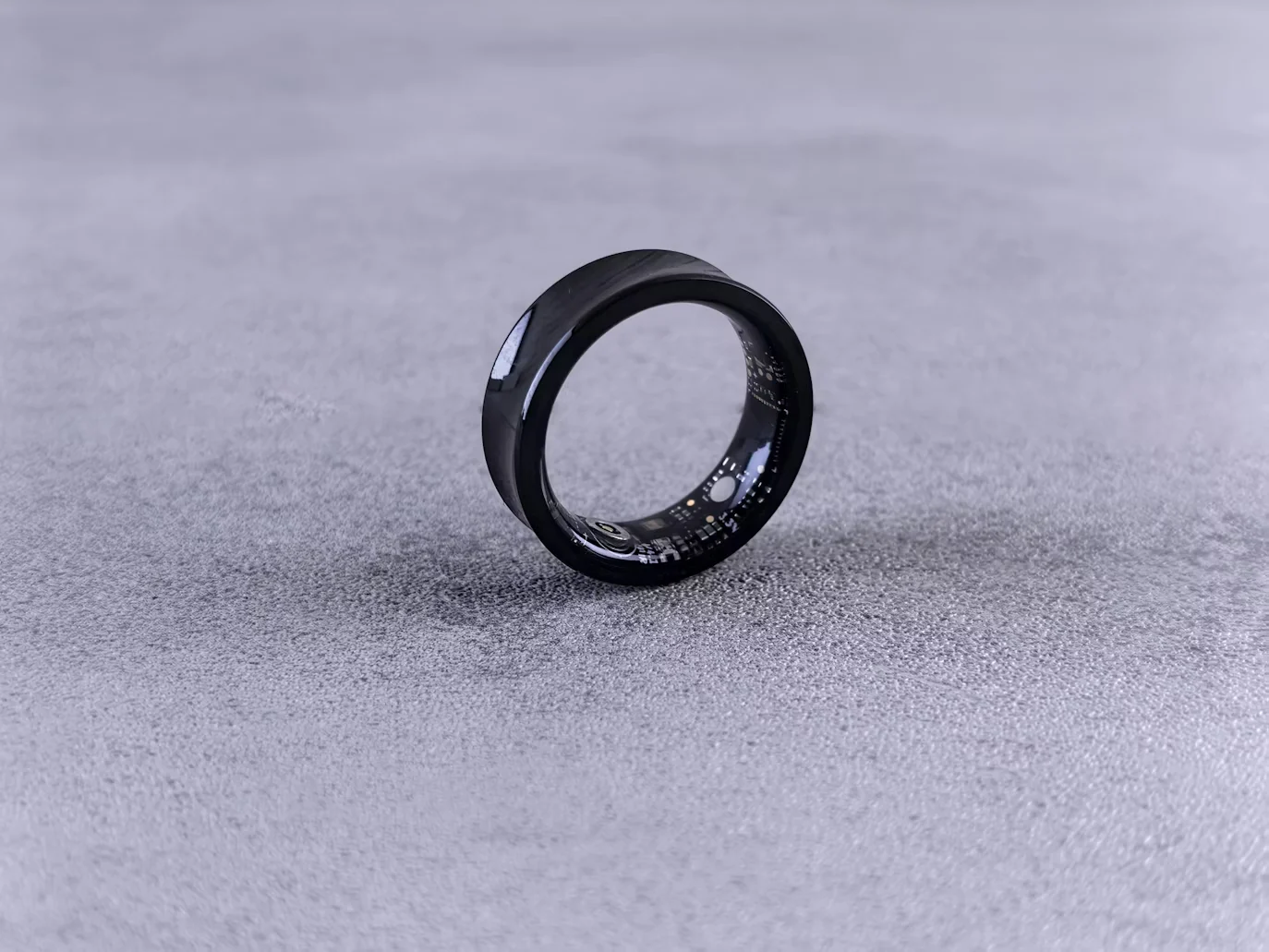
Choosing the right material is about more than just looks. It has to feel good on the skin for 24 hours. Some plastics cause rashes if people wear them for too long. Engineers test dozens of types of silicone and metal. They look for materials that do not fade in the sun.
They also need to be tough enough to resist scratches. If a screen scratches easily, the brand looks cheap. Brands spend millions on research to find the perfect mix of soft touch and high strength. This makes the device feel like a premium tool. The texture of the strap matters just as much as the chip inside.
Scaling up is a long journey. It takes more than just a good idea to reach customers. By following high standards, brands can stay relevant in a crowded market. Success comes down to focus and precision in every small step. The future of this tech depends on the hard work done in factories today. Making millions of units is a challenge – but it is how we change the world. Using smart rules helps everyone get the best tools possible.