Organic Light Emitting Diode (OLED) displays have become a hallmark of premium visual technology, widely featured in smartphones, televisions, laptops, and even smartwatches. Known for their vibrant colors, deep blacks, and sleek designs, OLED panels often set the standard for image quality. Before investing in an OLED-equipped device, it is important to understand the benefits and drawbacks of this display technology. While OLEDs can offer exceptional visuals and unique design possibilities, they come with specific limitations and considerations that may influence your purchasing decision. By exploring the most important factors, from performance to durability, you can make an informed choice that aligns with your needs and budget.
The Science Behind OLED Technology
At the core of OLED’s appeal is the way it generates light. Unlike traditional LCDs, which rely on a backlight to illuminate the screen, high quality OLED displays use organic compounds that emit light when an electrical current passes through them. This structure allows each pixel to produce its own light, enabling unmatched levels of contrast and color accuracy. For buyers, this means that OLED screens can display true blacks, since pixels can be turned off completely, and achieve brilliant whites without light bleed. Understanding this fundamental difference is key, as it explains why OLEDs are typically slimmer, more flexible, and more power-efficient when displaying darker images than LCDs.
Superior Picture Quality and Color Accuracy
One of the strongest selling points of OLED displays is their outstanding picture quality. The ability to control each pixel individually results in superior contrast ratios, with blacks appearing truly black rather than grayish. This dynamic range allows colors to appear more vibrant, creating a lifelike viewing experience.
For movie lovers, gamers, or professionals in creative fields such as graphic design and photography, the color accuracy and visual clarity of OLED panels can make a substantial difference. It is worth noting that while OLEDs excel in controlled lighting environments, their peak brightness is often lower than that of premium LCD or mini-LED displays, which may impact performance in very bright settings.
Design Flexibility and Aesthetics
Another major advantage of OLED technology is the design freedom it enables. Because OLED panels do not require a bulky backlight, manufacturers can produce incredibly thin and lightweight displays. This has led to the rise of sleek smartphones, ultra-slim TVs, and even foldable or rollable screens. For consumers who value aesthetics as much as functionality,
OLED provides a futuristic appeal that sets devices apart from their LCD-based competitors. Thinner displays can improve portability in laptops and tablets, making them more convenient for daily use. Still, this slim profile can sometimes compromise durability, so handling and long-term wear are important considerations.
Energy Efficiency and Power Consumption
Energy efficiency is another factor to weigh before purchasing an OLED device. OLED screens can be more power-efficient than LCDs, but this efficiency depends heavily on the type of content being displayed. When showing dark or black-heavy visuals, OLED consumes significantly less energy, since inactive pixels do not draw power.
When displaying bright, white-heavy content, like websites or documents, OLED screens may actually use more power than LCDs. This tradeoff is particularly relevant for smartphone users, as it can directly influence battery life depending on personal usage habits. Buyers should keep in mind that OLED efficiency is content-dependent, not universally superior.
Potential Issues with Burn-In and Longevity
Despite their many strengths, OLED displays are not without flaws. One of the most commonly cited concerns is burn-in, where static images such as logos, navigation bars, or channel markers leave a permanent ghost-like imprint on the screen. Although modern OLED devices include software tricks like pixel shifting and automatic dimming to minimize the risk, burn-in remains a potential issue for heavy users.
OLED panels may degrade faster than LCDs, with certain colors losing brightness over the years of use. For buyers planning to keep their device for many years, this factor should weigh into the decision-making process.
Cost Considerations and Value for Money
OLED displays are often associated with higher price tags compared to LCD or LED alternatives. This is partly due to the complexity of manufacturing OLED panels and the premium image quality they deliver. While prices have been decreasing as production scales improve, OLED-equipped devices still sit in the premium category.
For consumers, the question becomes whether the enhanced picture quality, thinner design, and modern appeal justify the additional cost. If you primarily use your device for casual browsing, standard video streaming, or productivity tasks, you may find the upgrade less impactful. If immersive visuals or high-level creative work are important to you, the investment could be worthwhile.
Comparing OLED With Competing Technologies
Before purchasing, it is wise to compare OLED technology with other display options on the market, such as mini-LED, QLED, and traditional LCDs. Mini-LEDs, for example, can achieve higher brightness levels and may perform better in well-lit environments, while QLEDs can offer vibrant colors at a more affordable price point.
Each technology has its own advantages, and the “best” choice depends on your specific priorities. If you prioritize HDR brightness for daytime viewing, mini-LED may be more suitable, whereas OLED shines in cinematic, low-light environments. Understanding these differences ensures that you do not pay a premium for features that may not benefit your everyday use.
Practical Tips for Buyers
When considering an OLED device, there are a few practical steps you can take to make a smarter purchase. First, evaluate your usage patterns: Do you frequently watch movies in dark environments, or do you spend most of your time browsing the web under bright lighting?
Next, check for device-specific burn-in protection features, as some manufacturers provide stronger safeguards than others. Take into account warranty coverage, as displays are among the most expensive components to replace. Compare models across different brands and screen types to ensure you’re balancing performance, reliability, and cost in line with your needs.
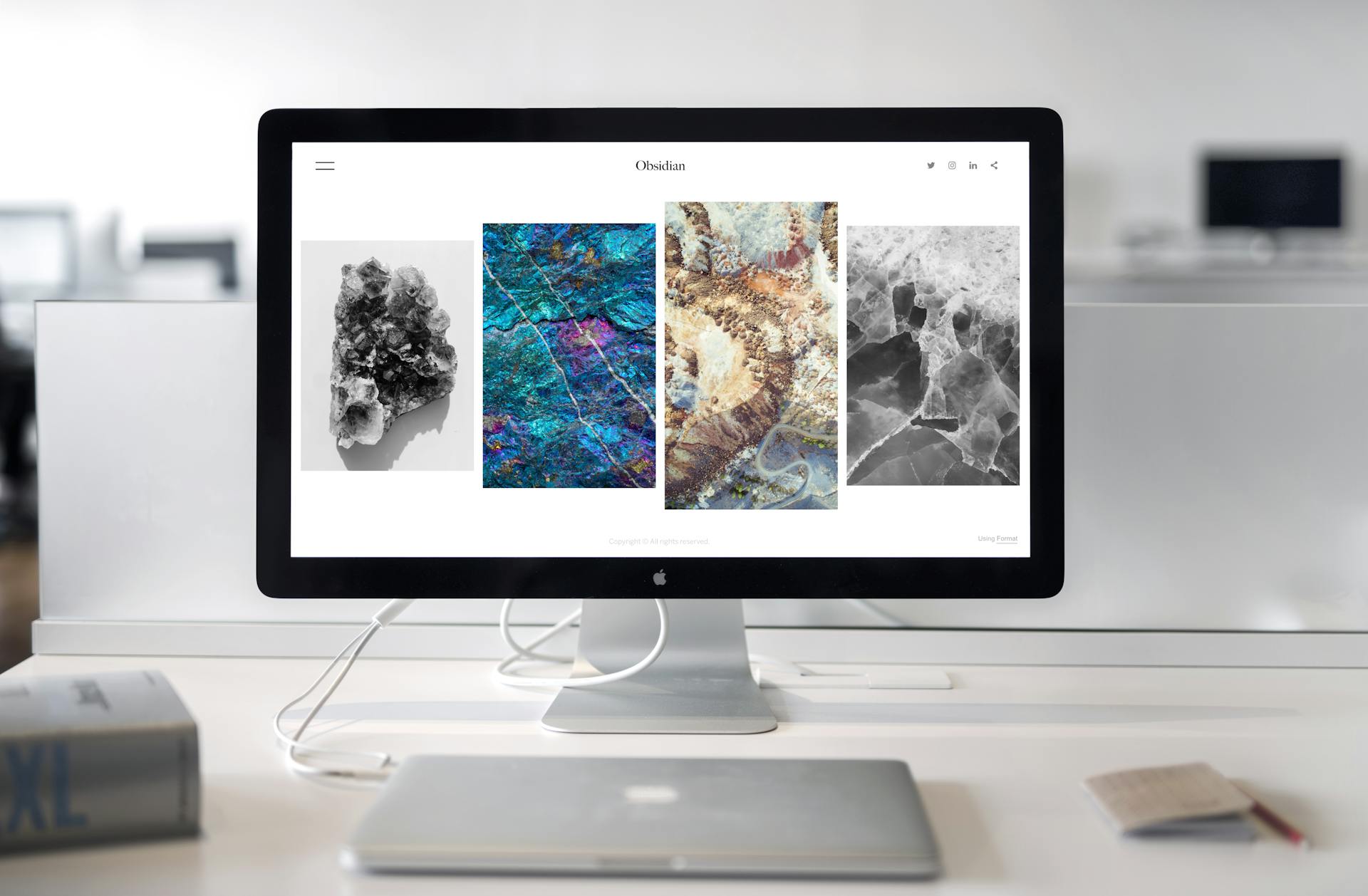
OLED displays represent a significant leap forward in visual technology, offering unmatched picture quality, sleek designs, and versatile applications. They are not without limitations, particularly when it comes to brightness levels, burn-in risks, and cost.
By understanding the science behind OLEDs, weighing their advantages against competing technologies, and reflecting on your personal usage habits, you can make a more confident and informed decision. Whether you are buying a smartphone, TV, or laptop, being aware of these important factors ensures that your investment aligns with your expectations and your lifestyle.

Founder Dinis Guarda
IntelligentHQ Your New Business Network.
IntelligentHQ is a Business network and an expert source for finance, capital markets and intelligence for thousands of global business professionals, startups, and companies.
We exist at the point of intersection between technology, social media, finance and innovation.
IntelligentHQ leverages innovation and scale of social digital technology, analytics, news, and distribution to create an unparalleled, full digital medium and social business networks spectrum.
IntelligentHQ is working hard, to become a trusted, and indispensable source of business news and analytics, within financial services and its associated supply chains and ecosystems