
It’s not always easy to turn your passion into a livelihood, but when you do, consider yourself fortunate that you get to love what you do and earn through it. Being a creative can be fulfilling, but considering how fast the job market has evolved over the years, you will have to think about stepping up and entering new domains. Passion can only get you so far. To thrive as a creative, whether you’re working freelance or in a corporate environment, you will need to chart your next steps.
There is danger in comfort. You might think you’re secured now because your skills and experience are still paying the bills, but being unprepared for the future of the creative market will expose your vulnerabilities. Making time for improvements and charting your path to the next level of your practice will help you stay strong and stable. The guide below should give you the low-down on a few tips that work best.

1. Enrich Your Portfolio
You can’t have a successful creative career if you rely on a small set of work you’ve done over the past five years or more. A stagnant portfolio won’t lead you to better jobs regardless of how aggressively you highlight your best work. Not everyone will be impressed since new design trends are changing the goals and preferences of clients.
Review your current list of previous campaigns and check what to replace. Incorporate new projects and organize them into categories, such as, for instance, social media campaigns and passion projects. If you don’t have a website already, now would be a good time to build one for your creative career. Along with your best work, showcase the human side of your practice by adding photos and videos of your creative process, as well as recorded testimonials of previous clients.
2. Hone Your Networking Skills
Creatives often see themselves as lone wolves who think they perform better if they are undisturbed. It might be true for some, but when career progression is the top priority, being a team player becomes inevitable.
Your network matters just as much as your skills and credentials, as you need others to provide feedback and become direct or indirect sources of more lucrative jobs. Seek out allies among other creatives by taking part in collaborative projects or attending major events such as conventions and conferences. You would be fortunate enough to find a mentor who could impart wisdom on things related to your career goals.
3. Remain Teachable Throughout
Being adaptable is a trait that sets apart successful creatives, but this can only be honed through a desire to learn and unlearn. Your current skills and experience are paying the bills now, but they might not become relevant enough to maintain your stability in two or three years.
For the most part, your success hinges on your capacity to seek learning opportunities that expose you to new tools, concepts, and trends. If you want to become a serious graphic designer, you can take up a short course online or go as far as securing an AIC degree in graphic design. Stay hungry for new knowledge so that your creative practice will always be nourished.
4. Share What You Know
Building your creative career isn’t always about gaining an edge over others wanting to enter the market. If there’s anything to convince you that you’ve reached the height of your success, it’s knowing you have the capacity to build others up.
Your practice might not be the best benchmark, but you can use the struggles and professional wins you’ve gained from your experience as templates for budding creatives to follow. While you become a thought leader through this, the best benefit comes in knowing you’re helping others step up.
Endnote
Whatever niche you’re in, your creative practice has enough space to grow. You just have to look closely at yourself and the market to see if there are any changes you need to make to become more competitive and remain relevant.
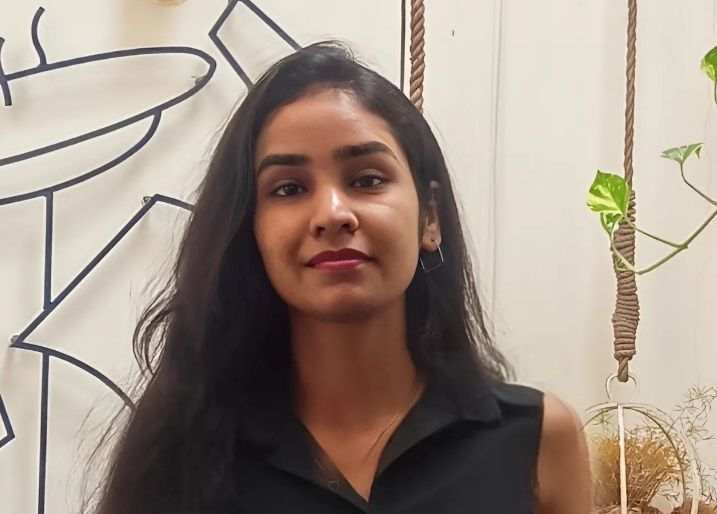
Himani Verma is a seasoned content writer and SEO expert, with experience in digital media. She has held various senior writing positions at enterprises like CloudTDMS (Synthetic Data Factory), Barrownz Group, and ATZA. Himani has also been Editorial Writer at Hindustan Time, a leading Indian English language news platform. She excels in content creation, proofreading, and editing, ensuring that every piece is polished and impactful. Her expertise in crafting SEO-friendly content for multiple verticals of businesses, including technology, healthcare, finance, sports, innovation, and more.