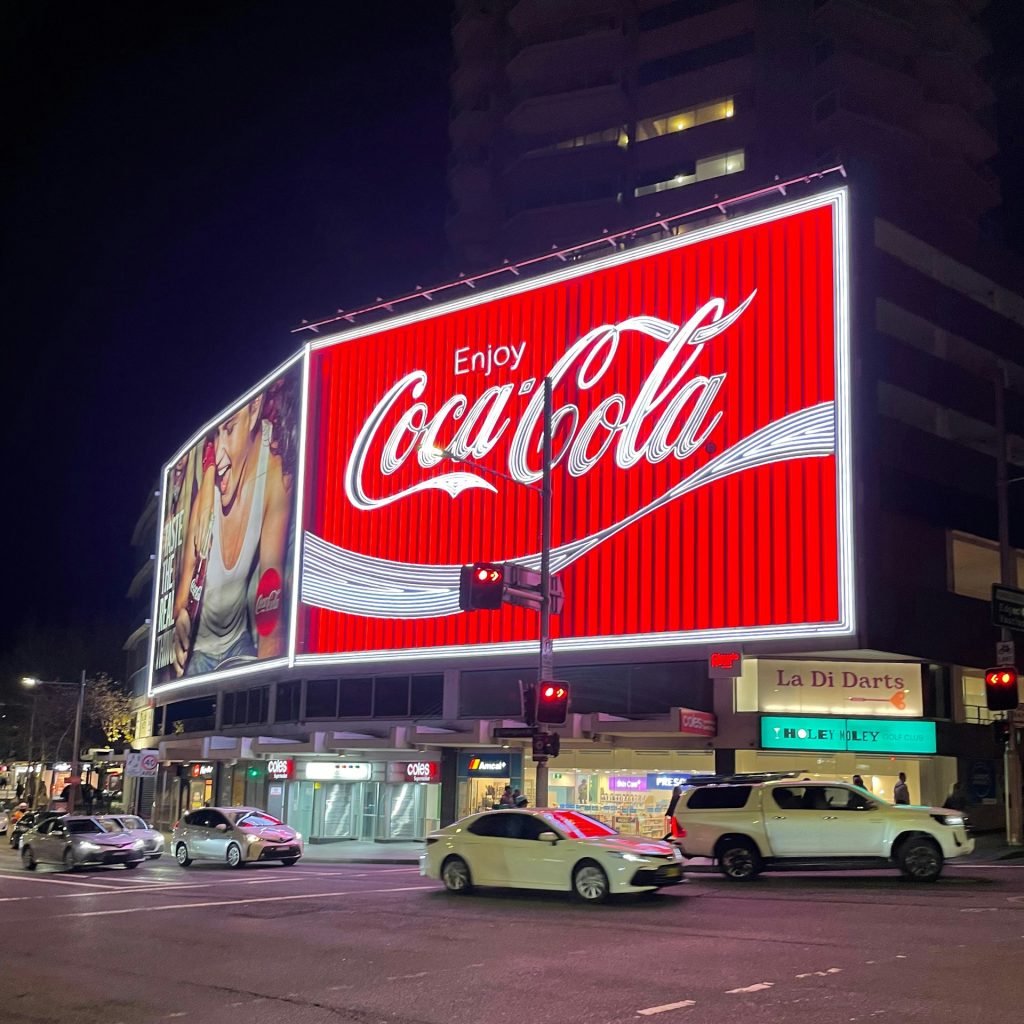
Billboard advertising in the USA remains one of the most powerful tools in a marketer’s arsenal. In a country where the average American spends around 300 hours a year behind the wheel, outdoor advertising is unavoidable, and when it is done well, it is deeply effective. But not all billboard placements are created equal. Choosing the wrong site can leave a brand shouting into empty space, while the right placement can generate millions of impressions, drive measurable footfall, and elevate brand awareness in ways that digital channels simply cannot replicate at scale.
So how do you actually choose the right billboard for your brand? It starts with understanding what you are trying to achieve, and then working backwards from your audience.
Know Your Objective Before You Book
The first mistake many brands make is treating outdoor as a single-use medium. In reality, billboard advertising in the USA serves several distinct purposes depending on where the unit is placed and how the creative is designed. A highway billboard approaching a city centre might be perfect for mass awareness, while a street-level unit in a specific neighbourhood might be better suited to driving footfall to a nearby retail location. Before committing to any site, be clear on whether your objective is broad awareness, local activation, brand reinforcement, or something else entirely. That clarity will shape every subsequent decision.
Location Is Everything in Outdoor
The cliche exists for a reason. With billboard advertising, location is not just important; it is the primary variable that determines success or failure. In the USA, this means understanding traffic patterns, demographic data, and the relationship between a placement and the consumer journey you are trying to influence.
A billboard on Interstate 95 reaching commuters heading into New York will serve a very different purpose from one on Sunset Boulevard in Los Angeles. Both have enormous reach, but the audiences, the dwell time, and the context are completely different. High-traffic arterial roads tend to deliver volume, while placements near specific retail, hospitality, or residential zones tend to deliver relevance. Ideally, you want both, but when you have to choose, relevance to your target audience should win.
Understand Dwell Time and Visibility
Not all impressions are equal. A billboard placed at a busy intersection where drivers spend several minutes at a red light offers far more cognitive impact than one glimpsed at highway speed. When evaluating sites, ask about average vehicle speed, the angle of approach, and how far in advance the board becomes visible to passing traffic. A site that is visible for 500 metres at 30 miles per hour gives drivers almost a full minute to absorb your message. A site visible for 100 metres at 70 miles per hour gives them less than two seconds.
Digital billboards add another layer to this consideration. Because the creative rotates among multiple advertisers, your effective dwell time per cycle matters. But the upside is significant: digital formats allow for dynamic creative, which means you can tailor your messaging by time of day, weather, or live event data. That kind of contextual relevance has made digital out-of-home one of the fastest-growing segments in US media.
Match the Format to the Message
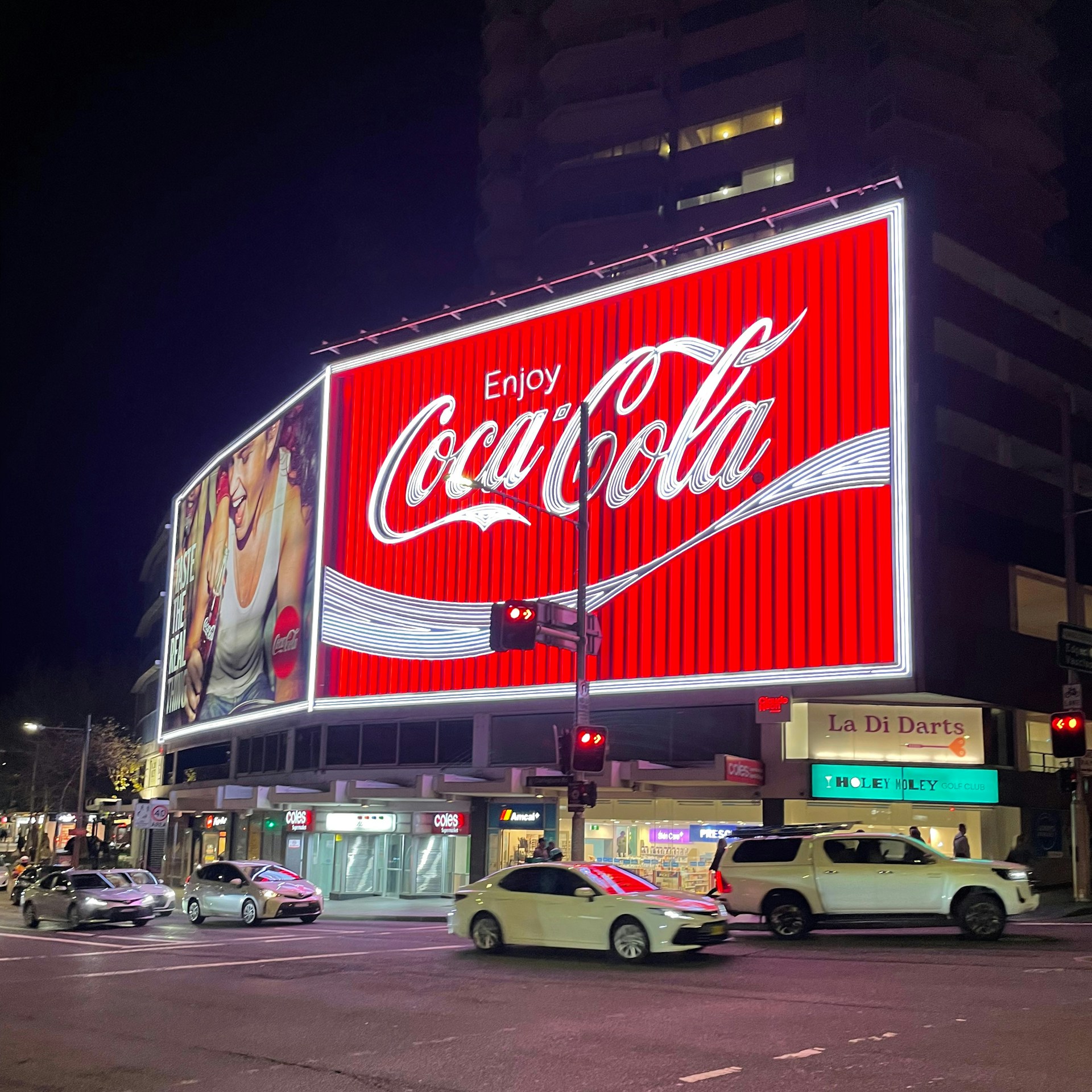
Billboard formats in the USA range from classic 14×48 bulletins on major highways to junior posters at pedestrian level in urban environments. Spectaculars, wallscapes, and three-dimensional builds occupy the premium end of the market and deliver outsized brand impact in high-footfall cities like New York, Chicago, and Los Angeles.
The format should be driven by the message. If your creative relies on a single bold image and a short tagline, almost any format will work. If you need space to communicate a more complex proposition, larger formats and lower-traffic placements that allow for longer dwell time will serve you better. What never works is trying to cram a complicated message into a format designed for simplicity. Keep copy short, contrast high, and the visual hierarchy clear.
Use Data to Validate Your Instincts
The days of choosing billboards purely on gut feel are largely over. In the USA, sophisticated audience measurement tools now allow advertisers to validate site selection with data. Platforms that combine mobile location data with traditional traffic counts give buyers a far more accurate picture of who is actually passing a given site, not just how many vehicles go by. This matters enormously when you are trying to reach a specific demographic rather than simply maximise raw impressions.
If you are working with a specialist provider offering Billboard Advertising in the USA, they should be able to supply this kind of audience intelligence as part of the planning process. Demand it. It is one of the key differences between a campaign that performs and one that simply runs.
Think in Networks, Not Individual Sites
One of the biggest shifts in how brands approach outdoor in the USA is the move away from single-site bookings toward network thinking. A coordinated schedule of strategically selected sites across a market creates a surround-sound effect that any single placement cannot replicate. Frequency builds brand recall, and in a fragmented media landscape where attention is scarce, repetition across the consumer’s daily journey is increasingly valuable.
When planning a network, think about the full journey of your target consumer. Where do they live? Where do they work? What routes do they travel? What are the key moments of receptivity in their day? Matching your billboard network to those touchpoints creates a campaign that feels omnipresent without necessarily requiring an enormous budget.
Billboard advertising in the USA is a mature medium that rewards strategic thinking, precise site selection, and creative discipline. Get those three things right and the scale and effectiveness it delivers are genuinely hard to match.

Pallavi Singal is the Vice President of Content at ztudium, where she leads innovative content strategies and oversees the development of high-impact editorial initiatives. With a strong background in digital media and a passion for storytelling, Pallavi plays a pivotal role in scaling the content operations for ztudium’s platforms, including Businessabc, Citiesabc, and IntelligentHQ, Wisdomia.ai, MStores, and many others. Her expertise spans content creation, SEO, and digital marketing, driving engagement and growth across multiple channels. Pallavi’s work is characterised by a keen insight into emerging trends in business, technologies like AI, blockchain, metaverse and others, and society, making her a trusted voice in the industry.