
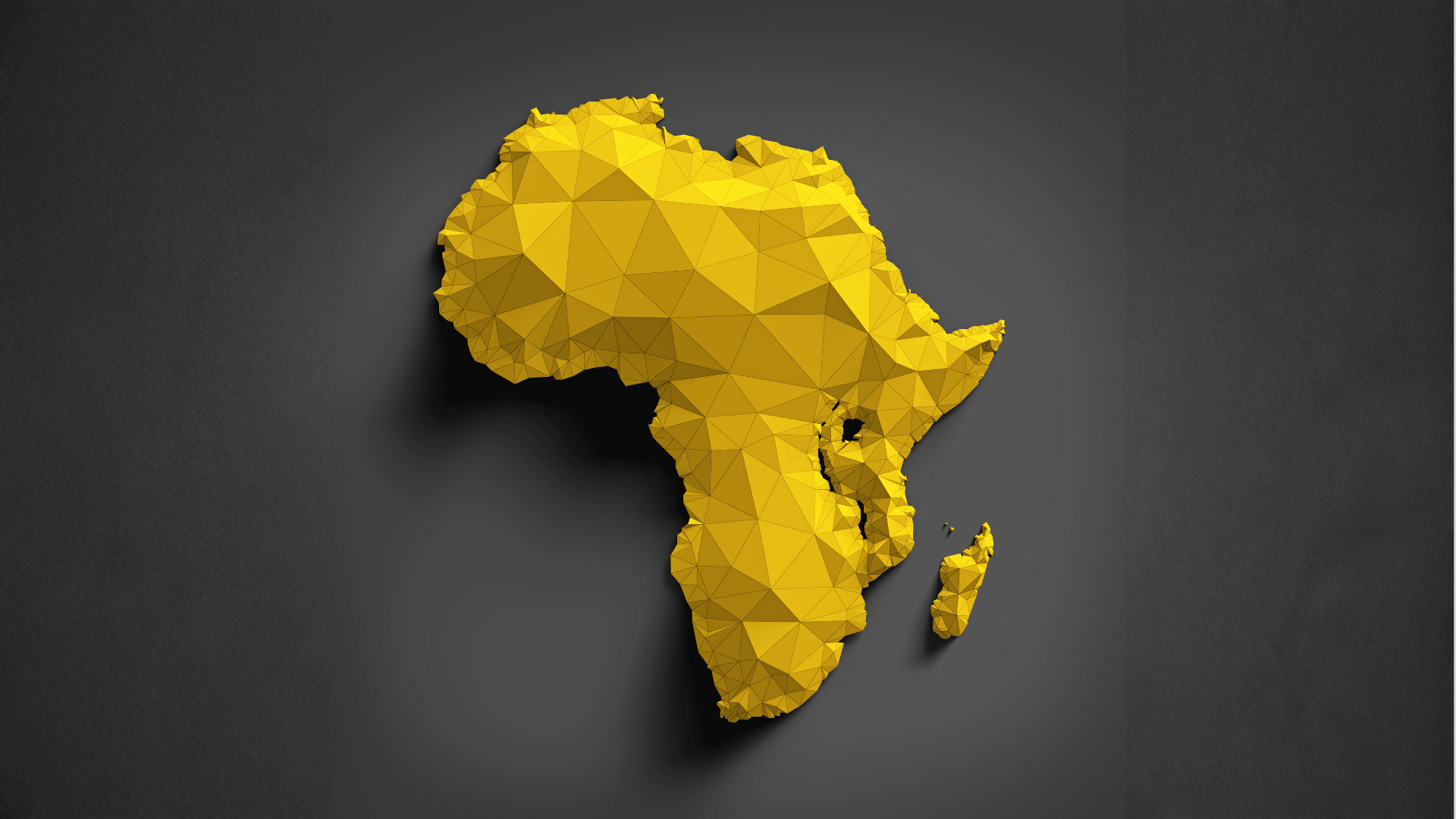
Africa is at a key moment in its energy story. Many countries are growing fast, but power access has not kept pace. Over 600 million people still live without electricity. Businesses lose billions each year from outages. Yet the continent also has huge potential—sun, wind, natural gas and a young workforce ready to build.
This topic has been shaped for decades by industry leaders, including Leslie Nelson , who has overseen large power projects across the continent including for GE Angola, GE Nigeria and GE Ghana to name a few. He has led billion-dollar portfolios, advised governments and built teams at every level. His insight comes from experience. “I remember walking through a factory in Ghana where the lights went out every 20 minutes,” he says. “A worker would stop mid-shift, wait for power and then try to start again. You cannot build an economy like that.” His stories help guide what practical progress really looks like.
Why Energy Matters for Africa’s Growth
Electricity is the base of everything. Schools need it for labs. Clinics need it for vaccines. Shops need it to stay open after sunset.
The World Bank says unreliable power drains African businesses of about $28 billion each year. Many people rely on generators, which are costly and polluting.
Reliable and affordable power supports jobs, trade, health and education. It is a foundation, not a bonus.
Current Energy Gaps
Power Supply Is Too Low
Most African countries do not generate enough. Some nations have less than 200 watts per person, compared to 4,000 watts in the United States.
Grids Break Easily
Many grids cannot carry steady power. “I once saw a new plant trip the grid every time a large motor started,” says Nelson. “The issue was outside the plant, not inside.”
Costs Are High
Electricity prices can be double or triple global averages. This slows growth.
Using Local Resources Wisely
Africa has many resources. The key is using them together.
Solar for Homes and Villages
Africa has strong sunlight. Solar is fast to set up and low-cost to run. Mini-grids can power villages without waiting for national systems.
Natural Gas for Cities and Industry
Many countries have gas reserves. Gas plants can support cities and factories and run when solar drops. They are cheaper and cleaner than diesel.
Hydropower and Wind for Regions
Hydropower works where water is stable. Wind works well along coasts and open plains. Both fit large grids once lines improve.
Fixing the Infrastructure Problems
Upgrade Transmission Lines
New lines cut outages and move power between regions, lowering cost.
Reduce Electricity Losses
Many grids lose 15–30% of electricity through leaks and illegal taps. Fixing this costs less than building new plants.
Regional Power Sharing
Countries can trade power. When one nation has extra, another can buy it. Southern Africa already uses this model.
Encouraging Private Investment
Governments cannot do everything alone. Partnering with private investors adds money, skills and speed.
Leslie Nelson in his former role as leading Energy projects for GE Angola, Nigeria, South Africa, Cote DÍvoire and other SSA countries has supported many of these partnerships. “We backed a power project that sat idle for years,” he says. “When a private group came in, the project moved within months.”
Clear rules draw investment and cut delays.
Supporting Local Talent
Africa’s energy future depends on its people. Engineers, technicians and managers are needed everywhere.
Training programmes help young workers enter the field. Scholarships and apprenticeships build long-term talent. “I meet students who only need a chance,” Nelson says. “Once they get that, they move fast.”
Local skills keep systems running long after foreign teams leave.
Making Energy Affordable
Smart Pricing
Prices should fit income levels. Light users should pay less. Heavy users can pay more.
Prepaid Power
Prepaid systems work well. They help families manage costs and help utilities stay stable.
Move Away From Generators
Generators are costly. Replacing diesel with solar or gas can cut energy costs by 40% or more.
Involving Communities
Ask People What They Need
Some communities need power for farming. Others need it for clinics or cold storage. Listening shapes better solutions.
Keep It Simple
People use tools when they are easy. Small solar units, shared systems and simple pay models work well.
What Individuals Can Do
People can help by:
- Supporting groups focused on energy access
- Sharing real stories about outages
- Learning how local energy systems work
- Helping schools and community centres use solar
- Mentoring young engineers or technicians
Final Thoughts
Africa can build a power system that is reliable, affordable and fit for its people. It does not need to copy any other region. It can use solar, gas, hydropower and wind in ways that match its needs.
As Leslie Nelson GE Angola puts it, “The goal is simple: build systems that keep the lights on. Once you do that, everything else becomes possible.”
With smart planning, strong talent and steady investment, Africa can power its next chapter—one home, one business and one community at a time.











