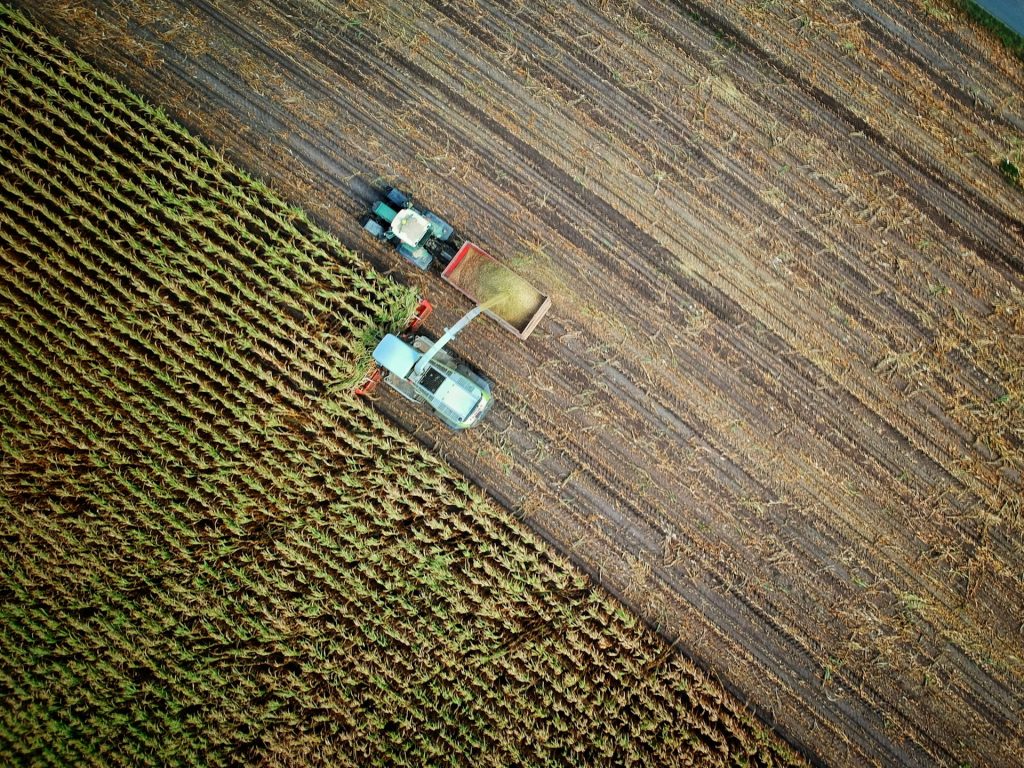
Sustainable agriculture has emerged as a leading method for meeting the growing global food demands while minimizing the environmental impact of farming practices. As society faces challenges like climate change and diminishing natural resources, various innovative solutions are making agriculture more resilient, efficient, and eco-friendly. This guide delves into modern solutions that can foster a more sustainable agricultural system, focusing on techniques that benefit farmers and contribute positively to our planet.
Innovative Techniques in Sustainable Farming
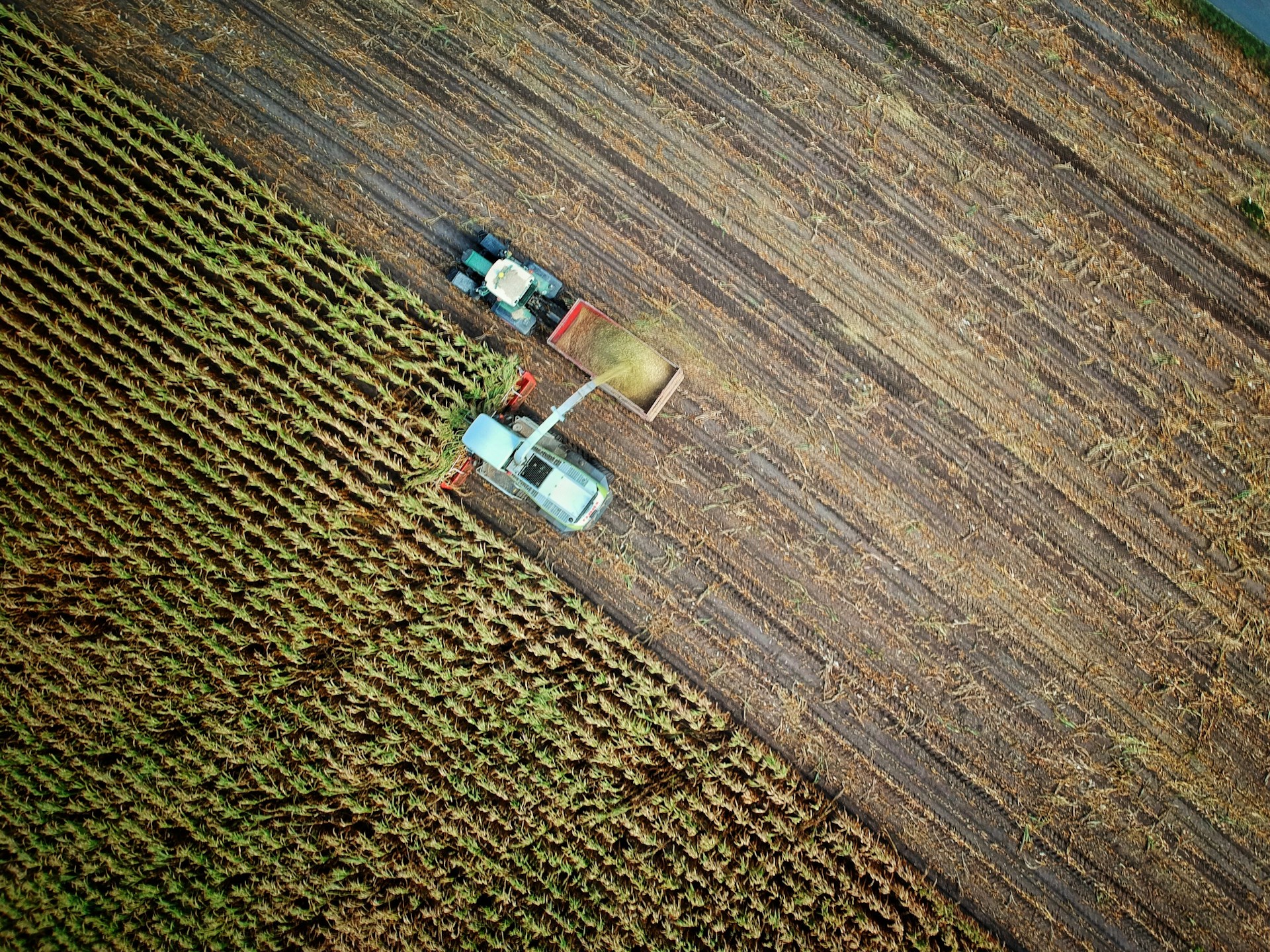
One prominent technique is precision agriculture, which leverages data analytics and technology to optimize crop yields and minimize waste. Farmers can use satellite imaging and drones to monitor crop health in real time. This data-driven approach enhances decision-making by allowing farmers to focus resources on areas that require attention. Sensors can inform irrigation practices, reducing water usage through targeted rather than blanket watering. Integrated Pest Management (IPM) promotes crop health by utilizing biological methods to control pests.
These methods reduce reliance on chemical pesticides, fostering a balanced ecosystem. Utilizing native predators or beneficial insects as part of the pest control process limits harmful sprays, thereby preserving surrounding flora and fauna. This is where the role of a greenhouse company comes into play. A greenhouse extends the growing season and enhances yield per square foot by creating an optimal microclimate for plant growth. With controlled environments, crops are less stressed and can thrive with efficient resource use. Incorporating various technologies and practices within a greenhouse makes farming more versatile and sustainable.
The Role of Organic Farming
Organic agriculture is another cornerstone of sustainable farming practices. This method avoids synthetic chemicals, relying instead on natural fertilizers, crop rotation, and cover crops. Organic techniques yield healthier food and improve soil fertility and biodiversity. Soil health is important for sustaining agricultural productivity. The use of compost and organic matter vastly improves soil quality, nurturing microorganisms important for nutrient availability.
Organic farming methods protect the environment and promote long-term agricultural productivity by creating a healthy soil ecosystem. Research indicates that organic farms often outperform conventional farms in resilience to extreme weather conditions, primarily due to improved soil health and biodiversity. This shift in farming practices makes it possible for farmers to adapt more smoothly to climate fluctuations, sustaining their livelihoods and food production efforts.
Agroforestry and Its Benefits
Integrating trees into agricultural landscapes, known as agroforestry, provides numerous environmental and economic advantages. This method enhances biodiversity, improves soil structure, and offers additional sources of income for farmers through products such as timber and fruits. Agroforestry systems can effectively sequester carbon, significantly combating climate change.
Trees absorb carbon dioxide over their lifetime while simultaneously providing shade and habitat for various wildlife species. This type of multipurpose farming can produce a wide range of outputs without compromising the ecosystem. Farmers can utilize agroforestry to diversify their income streams. They may provide a more robust financial foundation by having several revenue streams through planting trees alongside their crops. The combination of diverse crops growing in a complementary manner can lead to increased resilience against pests and diseases.
Water Management Practices in Sustainable Agriculture
Water management is a critical component of sustainable agriculture. Innovative irrigation systems, like drip and sprinkler irrigation, reduce water waste, delivering water directly to the plant roots. This targeted approach conserves water resources effectively, which is vital in regions facing water scarcity. Rainwater harvesting systems can further enhance water availability. Farmers can lessen their need for groundwater or other sources by augmenting their irrigation requirements with rainwater collection and storage.
This practice conserves water and minimizes soil erosion and flood risks. Planting cover crops can significantly enhance soil moisture retention, diminishing the necessity for frequent watering. These plants protect the soil surface, helping to minimize runoff and promote a balanced water cycle, ensuring that the agricultural system remains sustainable through various climatic challenges.
Technological Advancements in Agriculture
The integration of technology in agriculture has revolutionized the farming landscape. From advanced machinery to biotechnology, innovation aids in making agricultural practices more efficient and sustainable. Smart tractors that utilize GPS technology to operate with precision significantly reduce fuel consumption and labor costs. Biotechnology plays a pivotal role in developing crop varieties that are genetically engineered for resilience to pests, diseases, and climate variations.
Such advancements promise to increase food security and reduce the agricultural footprint by minimizing the need for chemical inputs. Digital platforms provide farmers with important insights into market trends, pest outbreaks, and weather forecasts. Using applications dedicated to farming can enable informed decision-making, leading to best practices and sustainable growth strategies.
By exploring these modern solutions for sustainable agriculture, we address immediate agricultural needs and lay the groundwork for the continued health of our ecosystems and communities.

Founder Dinis Guarda
IntelligentHQ Your New Business Network.
IntelligentHQ is a Business network and an expert source for finance, capital markets and intelligence for thousands of global business professionals, startups, and companies.
We exist at the point of intersection between technology, social media, finance and innovation.
IntelligentHQ leverages innovation and scale of social digital technology, analytics, news, and distribution to create an unparalleled, full digital medium and social business networks spectrum.
IntelligentHQ is working hard, to become a trusted, and indispensable source of business news and analytics, within financial services and its associated supply chains and ecosystems