Introduction
Managing your finances can seem daunting, but a few practical steps can pave the way to financial stability and peace of mind. Tackling your money challenges early—budgeting, building savings, or reducing debt—lays a strong economic foundation for your future. When unexpected expenses hit or you need fast funding, resources like MaxLend loans can provide temporary relief, but building sustainable habits is the best long-term solution for most individuals.
Establishing strong financial habits puts you back in the driver’s seat of your money. Understanding where your money goes, setting aside funds for emergencies, and automating savings set you on a path to long-term success. Let’s explore how to start making these changes today.
Create a Realistic Budget
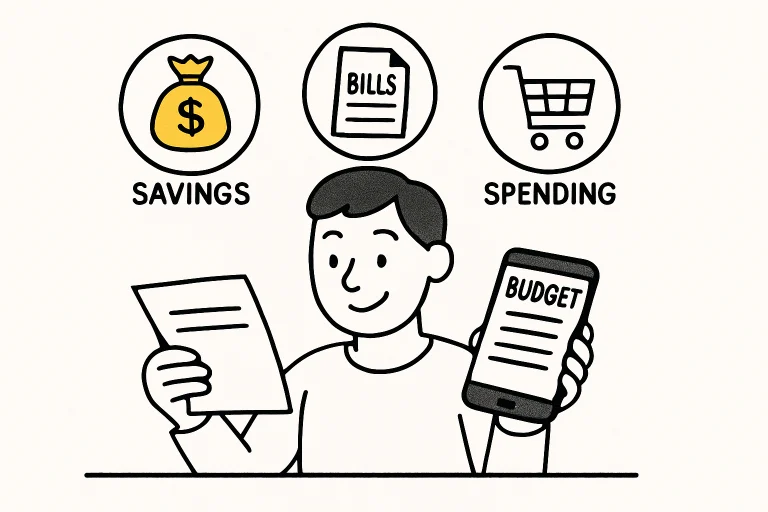
One of the first and most effective ways to manage your money is to create a budget. Start by writing down your monthly income and all recurring expenses—rent or mortgage payments, utilities, groceries, transportation, and insurance. Add less frequent expenses such as annual subscriptions or car repairs.
Next, categorize your expenses into needs (housing, utilities, food), wants (entertainment, dining out), and savings or debt repayment. An often-recommended approach is the 50/30/20 rule: allocate 50% of your income to necessities, 30% to wants, and the remaining 20% to savings and paying down debt. Budgeting apps like Mint or You Need a Budget help automate the tracking process, making it easier to spot trends and stay accountable.
Related Content:
why is self-discipline the key to becoming a good saver?
Track Spending Patterns
After your budget is set, monitor your progress. Review spending weekly or monthly to make sure you remain within your targets. Adjust your budget or spending habits accordingly if you notice regular overspending in specific categories.
Build an Emergency Fund
Unexpected expenses—medical bills, car repairs, job loss—can easily disrupt the best-laid financial plans. An emergency fund provides a critical safety net. Financial experts recommend saving at least three to six months’ essential living expenses. If that seems out-of-reach, start with a small target of $500 or $1,000, then increase your savings as your situation improves.
Tips for Building Your Emergency Fund
- Open a separate, high-yield savings account specifically for emergencies. This will help minimize the temptation to dip into your reserve.
- Set up monthly automatic transfers from your main account to your emergency fund.
- Save windfalls such as tax refunds, bonuses, or cash gifts to boost your emergency cushion.
- If you need to dip into the fund, prioritize replenishing it immediately.
An emergency fund reduces the need for borrowing during a crisis and protects your long-term financial goals.
Pay Off High-Interest Debt
High-interest debt—especially from credit card balances—can significantly hinder your financial progress as interest charges accumulate quickly. Taking steps to pay these debts helps relieve financial pressure and frees up money for saving or investing in your future goals. One effective solution is exploring flexible lending options like a MaxLend loan, which can offer manageable terms tailored to your needs. You can apply online easily, making it a convenient step toward greater financial stability.
The Avalanche Method
This strategy involves paying off debts with the highest interest rates first while keeping up with minimum payments on all others. Focusing on expensive debts accelerates progress and saves money on interest.
Other Strategies
- Consider consolidating high-interest debts with a personal loan from a trusted lender if it provides a lower interest rate.
- Negotiate your interest rates with creditors when possible.
- Stop adding new charges to credit cards while paying them down.
Resources like the Consumer Financial Protection Bureau guide on credit card debt offer helpful tips for debt repayment strategies.
Automate Your Savings
Consistency is key to growing your savings. Automating transfers from your checking to your savings account—either for emergency funds or other goals—removes the temptation to spend money set aside for your future. Decide on a fixed dollar amount or a percentage of your paycheck, and schedule the transfer right after payday. This approach makes saving feel effortless and can help you reach goals such as vacation funds, holiday gifts, or a down payment much faster.
Many banks offer automatic savings features or “round-up” programs. In these programs, every purchase is rounded to the nearest dollar, and the difference is deposited into your savings account. Small, regular contributions add up over time.
For more on automating finances, check out this guide to automatic savings plans.
Review and Adjust Your Financial Plan Regularly
Personal financial priorities change with life—new jobs, moving, family changes, and evolving goals all impact your money needs. Schedule regular financial check-ins (quarterly or at least annually) to review your budget, savings, and debt progress. Adjust allocations as needed to stay in sync with your goals.
What to Revisit
- Income changes: rework your budget to accommodate raises or reduced income.
- Spending categories: tighten discretionary spending if necessary.
- Debt repayment: focus extra funds on high-interest balances.
- Savings goals: increase contributions when possible to reach targets faster.
A proactive and flexible outlook ensures you remain on track for both short-term needs and long-term financial health.
Adopting these simple yet powerful strategies can genuinely transform your finances. By intentionally budgeting, saving, paying off debt, and making regular adjustments, financial control becomes well within reach—and with it, the confidence to achieve your life goals.