Crypto and blockchain discussions often focus on digital assets, but some of the most useful applications are happening in everyday commerce. In the natural products sector, blockchain is increasingly used to document provenance, verify authenticity, and reduce disputes between suppliers, manufacturers, and retailers. Yet there is a blind spot in many fully transparent supply chain stories: even perfect data cannot prevent a product from losing quality if the physical packaging is not designed to protect it.
Why traceability matters for natural products
High-value goods such as herbal extracts, nutraceuticals, and active skincare are vulnerable to counterfeiting and quality drift. A batch can be authentic at the source and still reach the customer with reduced potency or altered aroma if it is exposed to heat, oxygen, or light during storage.
Blockchain-based traceability helps by creating a shared record of key events, such as harvest dates, lab results, manufacturing lots, and shipping conditions. For brands, this can support faster recalls and clearer accountability. For consumers, it can translate into scannable proof points and more confidence that claims are backed by documentation.
Tokenized commerce in plain terms
Tokenization is often linked to speculative markets, but the core idea is simple: represent something of value digitally so it can be tracked and exchanged with less friction. In supply chains, token-like identifiers can be attached to lots or units, enabling automated payments, dynamic pricing, or rewards tied to verified sustainability metrics.
This matters because it shifts transparency from marketing language to auditable records. If a brand claims a cold-pressed oil was produced within a certain window, those assertions can be tied to time-stamped data rather than a static label.
Packaging is part of product integrity
Even with robust traceability, natural formulations remain chemically active. Many plant-based compounds are sensitive to light exposure, which can speed up oxidation or photodegradation, meaning the product slowly changes over time. The impact may show up as a weaker scent, a color shift, or a shorter shelf life.
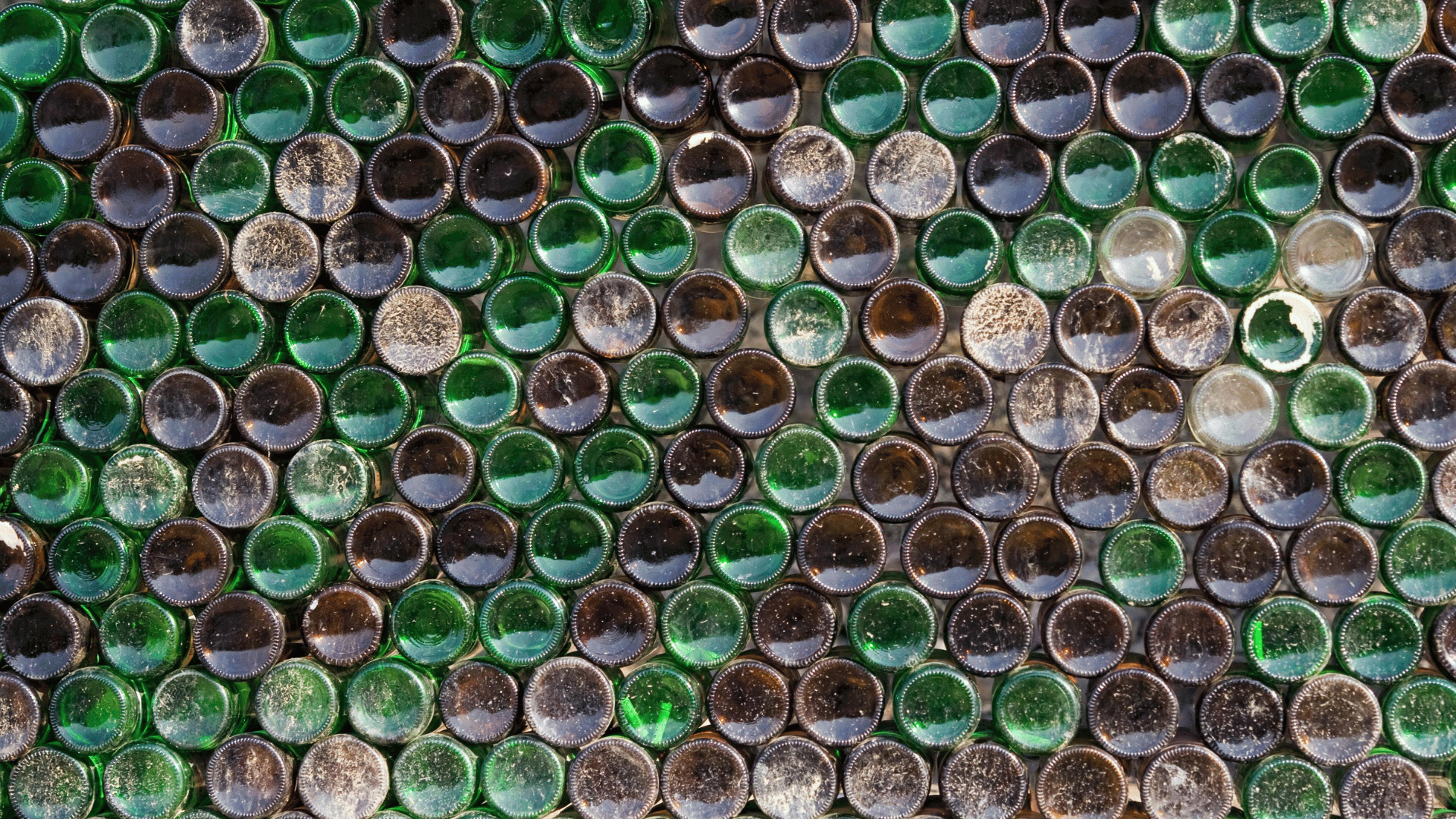
That is why packaging is not just a branding decision. It is part of the stability strategy. Clear glass offers limited protection. Amber glass is a common improvement, yet some wavelengths still pass through. For products where stability is a key selling point, brands increasingly evaluate packaging based on light-filtering performance, not only aesthetics.
One option used in the natural products market is bio-photonic violet glass, designed to block a broad range of potentially harmful light while allowing certain wavelengths to pass. In practice, this can help preserve sensitive contents and reduce waste from premature degradation. Teams exploring this approach often start by reviewing available formats and closures, including violet glass bottles used for supplements, cosmetics, and wellness products.
Why droppers still matter
For essential oils, serums, and tinctures, the dispensing system affects dosing accuracy, contamination risk, and user experience. Droppers are popular because they allow controlled application and reduce the need to pour from a wide opening.
When selecting droppers, compatibility matters. Viscosity and the formula itself can influence which pipette and closure perform best over time. Brands that want a premium, functional presentation often consider glass dropper bottles that combine protective glass with a format built for precise dispensing.
Three takeaways for innovation teams
- Use blockchain to reduce real risk, not just to add a QR code.
- Match digital traceability with physical stability testing.
- Prototype packaging early and document results alongside your traceability records.
Blockchain can make product stories verifiable, but it cannot make them true on its own. In natural products, trust comes from pairing transparent data with packaging choices that help protect what is inside.