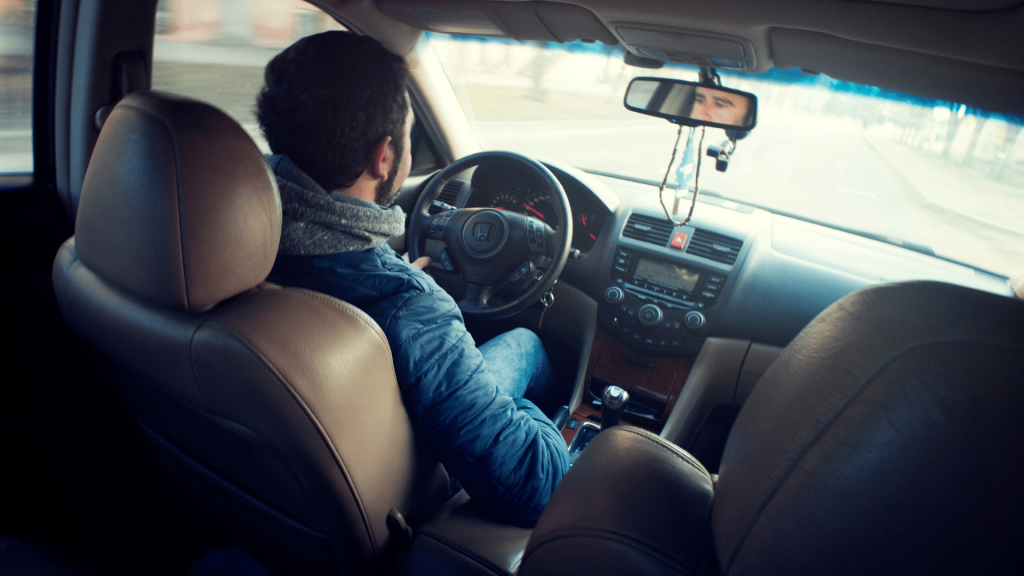
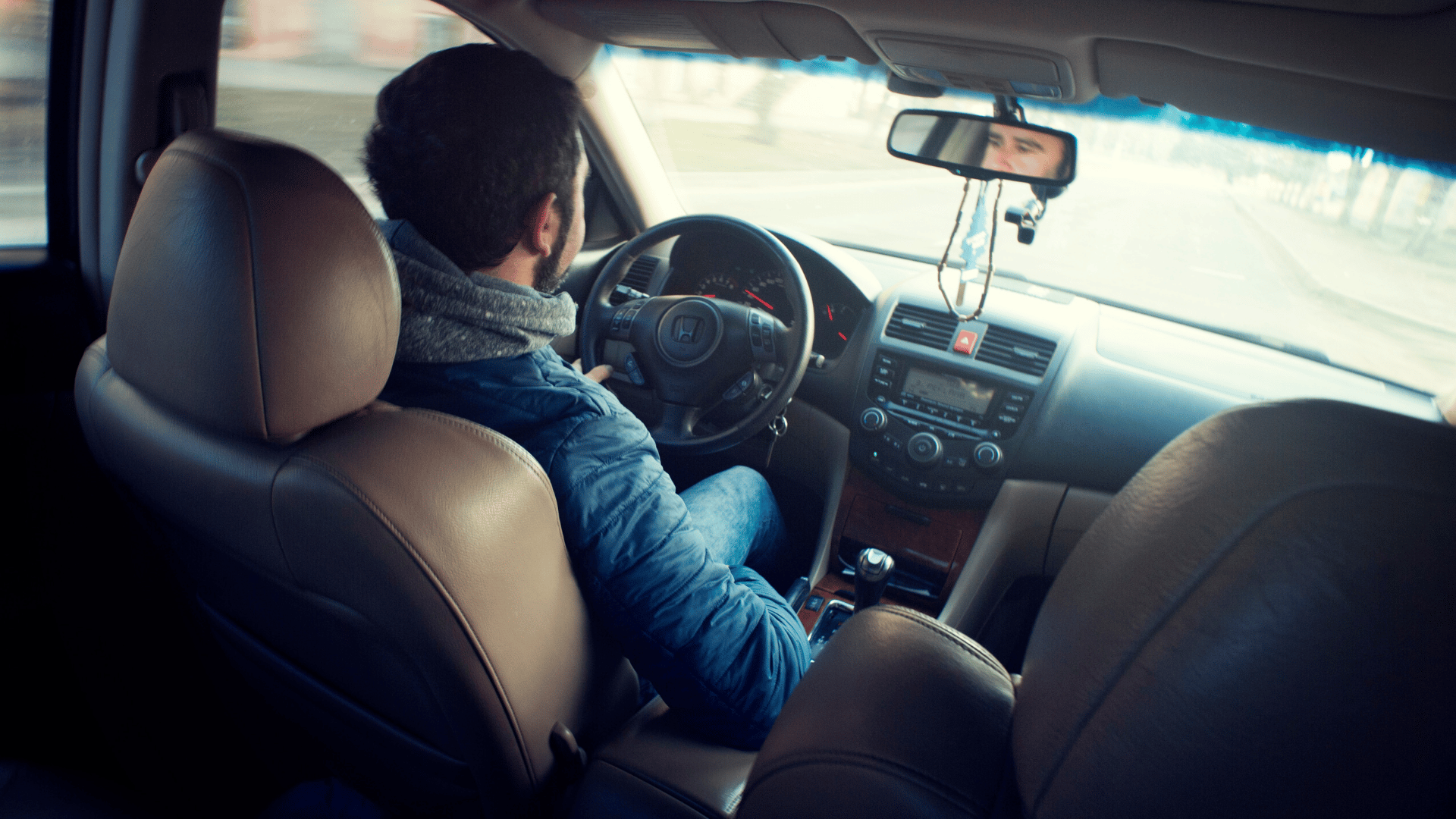
If you’re driving for a company like Uber, Lyft, or DoorDash and you’re injured in a car accident, you might be confused about what happens next. You probably know that you’re required to report the accident to the company, but that’s not the only action you need to take.
1. Contact a car accident attorney
Regardless of company policy, you’ll benefit from talking to a lawyer. Reporting an injury accident to the company is a formality that won’t come with legal advice. In fact, these companies have no incentive to tell you anything that might help you recover compensation because they don’t want you to go after them for more money than they’re willing to give.
The minute you’re injured while driving for a rideshare or delivery app, the situation becomes complex. Your claim might involve using your personal insurance, the company’s commercial policy, and potentially a liable third-party. Some cases escalate to a lawsuit. On top of that, insurance companies want to pay as little as possible and will do everything they can to deny or devalue your claim. Only a lawyer can advocate for your maximum payout.
2. Understand how insurance policies overlap
It’s important to know what each policy covers and where they overlap so you can file a claim with the right party.
Uber and DoorDash provide limited insurance coverage that depends on whether you’re waiting or actively driving for a customer. For example, Uber will cover up to $1 million in liability regardless of fault, but only when you’re on a trip or on the way to pick up a passenger.
If you’re online and waiting for a ride request, your personal insurance will be applied first. If your insurance won’t cover the situation, Uber will cover a limited amount of damage. When you’re actively transporting a rider, Uber provides uninsured and underinsured motorist coverage with a $1,000 deductible, but only if you have a valid personal policy.
How your available insurance policies overlap will depend on the app you’re driving for, your personal policy coverage, and your state.
3. Know who actually pays after an accident
One of the biggest misconceptions is that Uber and DoorDash automatically pay you if you’re injured. That’s not exactly how it works. Technically, if your claim is approved, it’s their insurance company that pays the settlement. However, if another driver caused the accident, it’s their insurance company that will provide the compensation.
The entire situation can be extremely confusing, and that’s why you need to contact a lawyer to get clear on what your rights are and how to get fully compensated.
4. You won’t get workers’ compensation
Since gig workers are considered independent contractors and not employees, you can’t file a workers’ compensation claim. That means your compensation is likely to only cover your medical bills unless you have an attorney fighting for more.
5. You can still get compensated if you’re at fault
If you caused the accident, that doesn’t mean you’re automatically unable to get compensated. It depends on the company. Uber’s insurance covers injuries even when you’re at fault. However, your compensation could be reduced if comparative negligence laws exist.
If you live in a state that has comparative negligence laws, your compensation will be reduced if you’re found partially at fault for the accident. For example, if you’re 25% at fault, your compensation will be reduced by 25%. However, some states – like Tennessee – bar injured parties from recovering any compensation if they’re 50% or more at fault.
6. You can recover lost income (sometimes)
As a gig driver, being injured in a car accident can cause you to lose income. If you can prove what you would have earned, you can potentially recover lost income with your claim. If your injuries are severe, you might also be able to claim lost earning capacity if you’re unable to work or drive for a long period of time, but be prepared for pushback. The insurance company will aggressively challenge your calculations and argue that your projected earnings are speculative. This is where having a lawyer becomes essential.
Injury claims as a gig driver can get complicated
While being a gig worker offers a ton of flexibility, it also puts more financial risk in your lap. If something goes wrong, you have to figure out how to pursue a claim for compensation based on rules and policies that aren’t always clear.
However, when you hire a lawyer, you gain the advantage of having an experienced professional handle the entire process for you.

Peyman Khosravani is a seasoned expert in blockchain, digital transformation, and emerging technologies, with a strong focus on innovation in finance, business, and marketing. With a robust background in blockchain and decentralized finance (DeFi), Peyman has successfully guided global organizations in refining digital strategies and optimizing data-driven decision-making. His work emphasizes leveraging technology for societal impact, focusing on fairness, justice, and transparency. A passionate advocate for the transformative power of digital tools, Peyman’s expertise spans across helping startups and established businesses navigate digital landscapes, drive growth, and stay ahead of industry trends. His insights into analytics and communication empower companies to effectively connect with customers and harness data to fuel their success in an ever-evolving digital world.