A roof leak rarely starts as a major event. More often, it begins as a small stain, a slow drip, or a subtle change that’s easy to ignore. But in a commercial setting, even a minor leak can escalate quickly. Water spreads, materials weaken, and what could have been a simple fix turns into a larger, more expensive problem.
Your immediate response matters. In fact, how you handle those initial moments can affect not just the extent of the damage, but also how efficiently the issue is resolved.
Start by Containing the Immediate Damage
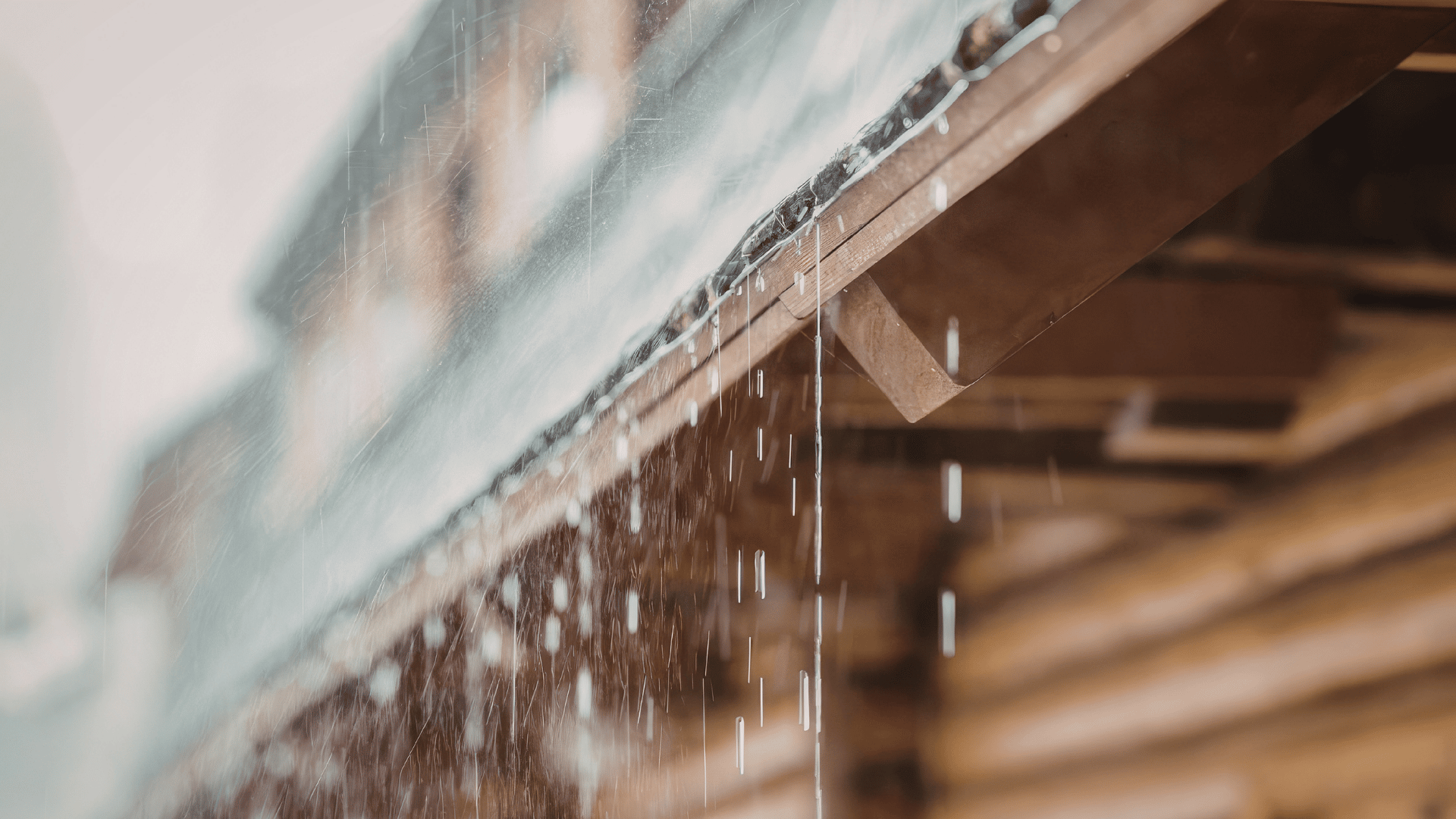
The priority is to control the immediate situation. Water inside a building can damage flooring, equipment, inventory, and electrical systems. As soon as a commercial roof leak is identified, your goal should be to limit how far that water can spread. Move anything valuable out of the affected area if possible. Use containers to catch active drips and reduce pooling. If water is spreading across surfaces, temporary barriers or absorbent materials can help slow it down. This step is not about fixing the problem; it’s about buying time and preventing additional damage while you assess what’s happening.
Identify the Source, Not Just the Symptom
Where the water appears is not always where the leak originates. Water can travel along beams, insulation, or other structural elements before becoming visible. That means the visible leak is often just the endpoint of a larger path. Take time to look beyond the immediate area. If it’s safe to do so, inspect the roof or the space above the ceiling. Look for signs of pooling water, damaged membranes, or areas where materials have shifted. Even if you can’t pinpoint the exact source, narrowing down the general area can help guide repairs. Understanding the source is key to avoiding repeated issues.
Act Quickly, Even if the Leak Seems Minor
It’s tempting to wait, especially if the leak is small or intermittent. It may not seem urgent. But commercial roofing systems are designed to protect large areas, and small failures can spread beneath the surface. Moisture can get trapped. And over time, that trapped moisture can weaken insulation, compromise structural elements, and lead to mold or other issues that are harder to address. Acting quickly reduces the chance of those secondary problems developing. Early response often leads to simpler repairs.
Document What You’re Seeing
Before repairs begin, it’s worth documenting the situation. Photos, notes, and timelines can all be useful. This information can help when working with contractors, insurance providers, or internal teams responsible for maintenance. It creates a clear record; that record can make it easier to explain what happened, how it progressed, and what actions were taken. It may also help identify patterns if similar issues arise in the future. Documentation doesn’t take long, but it can add clarity to the process.
Bring in a Professional Assessment
Even if the leak seems straightforward, professional input is important. Commercial roofing systems can be complex, and surface-level fixes don’t always address the underlying issue. A qualified contractor can evaluate the condition of the roof, identify the source of the leak, and recommend appropriate repairs. This step helps prevent guesswork. Instead of applying temporary fixes that may fail later, you get a clearer understanding of what needs to be done to resolve the problem properly.
Understand the Difference Between Temporary and Permanent Fixes
In some cases, a temporary solution may be necessary. Weather conditions, scheduling, or other factors can delay full repairs. Temporary patches or coverings can help protect the building in the meantime – but they should remain temporary. A permanent fix involves addressing the root cause of the leak, whether that means repairing damaged materials, resealing areas, or replacing sections of the roof. Relying on temporary solutions for too long can allow the problem to worsen.
Consider the Broader Condition of the Roof
A leak is often a signal. It may indicate a localized issue, or it may reflect broader wear across the roofing system. When a leak occurs, it’s a good opportunity to evaluate the overall condition of the roof. Are there other areas showing signs of aging? Is maintenance up to date? Are there patterns that suggest recurring issues? Looking at the bigger picture can help prevent future problems, and it turns a reactive situation into a more proactive one.
Plan for Ongoing Maintenance
Once the immediate issue is resolved, the focus should shift to prevention. Regular inspections, routine maintenance, and timely repairs all contribute to a more reliable roofing system. Commercial roofs are exposed to constant environmental stress, and small issues are easier to manage when they’re caught early. Maintenance creates predictability.
A Measured Response Makes the Difference
A commercial roof leak can feel disruptive, even when it starts small. But with a clear approach, it becomes manageable. Contain the damage, understand the source, act quickly, and bring in the right expertise as soon as possible if you want the best results.