TTM Technologies is a company that makes important parts for electronic devices. You know, like the green boards inside your computer or phone? That’s what they do. They’ve been around for a while, starting back in 1998, and have grown a lot since then. This article looks at how they got started, the big steps they’ve taken, and what makes them stand out in the fast-moving world of technology. We’ll cover how TTM technology has changed and what it means for the gadgets we use every day.
Key Takeaways
- TTM Technologies started in 1998, focusing on making printed circuit boards (PCBs) and emphasizing getting products to customers quickly, which is what ‘Time-To-Market’ means.
- The company grew significantly through strategic purchases, like buying other businesses, which helped them get bigger and offer more types of products.
- TTM Technologies invests in new ideas and materials to make better PCBs, especially for things like faster computers and new communication systems.
- They are paying attention to what’s happening in the tech world, like the need for parts for AI and new kinds of electronics, to make sure they stay competitive.
- TTM Technologies has built its success on having special skills, a good name, and a wide reach, helping them stay ahead in the market.
The Genesis and Evolution of TTM Technologies
Founding Principles and Early Vision
TTM Technologies kicked off its journey in 1998, a period buzzing with rapid technological advancements and a growing need for sophisticated electronic components. The company was founded on the idea of providing specialized manufacturing services, particularly for printed circuit boards (PCBs). While the specific founders aren’t widely publicized, the company’s swift rise points to a team with deep knowledge in electronics manufacturing and a keen sense of what the market required. Their initial focus was on delivering high-quality, advanced PCB solutions, including early versions of high-density interconnect (HDI) PCBs. These were vital for making electronic devices smaller and more powerful.
The Significance of ‘Time-To-Market’
The very name ‘TTM’ stands for ‘Time-To-Market.’ This wasn’t just a catchy name; it was a core principle that guided the company’s operations from the start. It signaled a strong commitment to getting products to customers quickly, a critical factor in the fast-paced electronics industry. This focus on speed, combined with quality, helped TTM establish itself as a reliable partner.
The company’s early strategy centered on meeting the urgent demands of a rapidly evolving tech landscape. This meant not only producing advanced components but doing so with an efficiency that allowed clients to bring their own innovations to market faster.
Pioneering High-Density Interconnects
From its early days, TTM Technologies recognized the importance of High-Density Interconnect (HDI) PCBs. These advanced boards allow for more components to be placed in a smaller space, leading to more compact and capable electronic devices. TTM’s early investment and development in HDI technology were key to its initial success and set the stage for its future growth in complex electronics manufacturing.
Here’s a look at some early developments:
- 1998: TTM Technologies founded.
- Early Focus: Advanced PCB manufacturing, including HDI.
- Core Principle: Emphasis on ‘Time-To-Market’ for rapid product delivery.
- Market Need: Addressing the demand for smaller, more powerful electronic devices.
Key Milestones Shaping TTM Technologies’ Journey
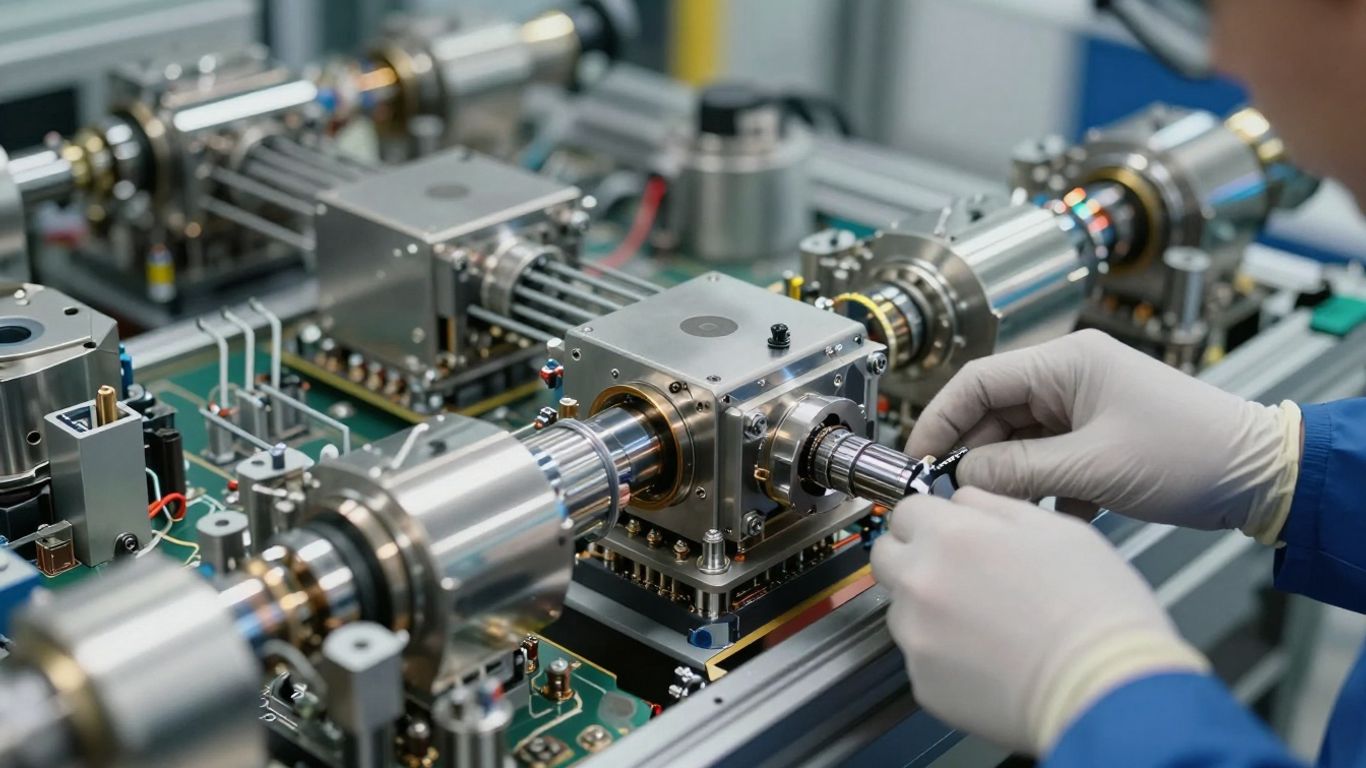
TTM Technologies’ path from its founding in 1998 to its current standing is a story of strategic growth and adaptation. The company’s journey is marked by significant events that have shaped its capabilities and market position.
From IPO to Strategic Acquisitions
The year 2000 was a big one for TTM, as it marked their Initial Public Offering (IPO) on NASDAQ. This move provided the capital needed to really start expanding. Following this, the company began a series of acquisitions that would significantly broaden its reach and technical abilities. A notable early acquisition was Honeywell’s Advanced Circuits business in 2006, which helped TTM build its presence in the aerospace and defense sectors. This was followed by the acquisition of Tyco Electronics’ Printed Circuit Group in 2010, further cementing its role in the industry.
Expanding Capabilities Through Mergers
TTM’s growth wasn’t just about buying smaller companies; it involved significant mergers that changed its scale and scope. The acquisition of Viasystems Group, Inc. in 2015 was a major step, substantially increasing TTM’s global footprint and manufacturing capacity. This move integrated new technologies and expanded the company’s ability to serve a wider range of customers and industries. These strategic combinations allowed TTM to enter new markets and add diverse product lines to its portfolio.
Adapting to Global Challenges and Future Outlook
Like many companies, TTM has had to navigate global challenges, including adapting its manufacturing and supply chain strategies, especially during events like the global pandemic around 2020. Looking ahead, the company continues to focus on high-growth areas such as aerospace and defense, and the rapidly expanding data center computing market. Investments in advanced manufacturing technologies are ongoing, aiming to boost capabilities for the next generation of electronics. TTM is positioned to keep growing its market share in specialized technology solutions, particularly for applications that require high reliability.
The company’s history shows a consistent pattern of strategic moves, from going public to making key acquisitions and mergers. This approach has allowed TTM to build a strong foundation and adapt to the fast-changing world of electronics manufacturing.
TTM Technologies’ Strategic Growth and Market Expansion
Focusing on High-Growth Sectors
TTM Technologies has really zeroed in on areas of the market that are growing fast and need specialized parts. Think about it, they used to be more involved in things like mobile phones, but they’ve since sold off that part of the business. This move in 2020 was all about concentrating on markets where products tend to stick around for a long time, which is good for steady business. They’re putting their energy into sectors like aerospace and defense, which is a big one for them, making up a good chunk of their sales. Data center computing is another major focus, especially with all the buzz around AI. They’re also looking at automotive and medical equipment.
The Role of Strategic Investments and Partnerships
To keep growing, TTM Technologies isn’t just relying on its own work. They’re actively investing in new technologies and teaming up with other companies. This helps them get into new markets and get better at making the advanced parts that are in demand. It’s like building a strong network to make sure they’re always at the forefront of what’s needed in electronics.
Broadening Market Reach and Technological Expertise
Over the years, TTM has grown a lot, not just by making more parts, but by getting really good at making specific kinds of parts. They’ve made some smart acquisitions along the way, like buying up other companies that had skills they wanted to add. This has helped them expand their reach across different industries and become known for their know-how in areas like high-density circuit boards and radio frequency components. It’s a strategy that seems to be working, as they continue to be a key player in the electronics manufacturing world.
The company’s financial results show this strategy is paying off. Sales have been climbing, and they’re making more profit. This strong financial footing allows them to keep investing in new ideas and manufacturing, which is key to staying ahead in the fast-paced tech world.
Here’s a look at where TTM’s sales came from in a recent year:
| Sector | Percentage of Net Sales |
|---|---|
| Aerospace and Defense | 46% |
| Data Center Computing | 21% |
| Automotive | 13% |
| Medical/Industrial/Instr. | 14% |
This breakdown really shows where TTM is putting its focus and seeing the most success.
Innovation and Research at TTM Technologies
Investing in Next-Generation Materials
TTM Technologies understands that the future of electronics relies on what materials we use today. They’re putting money into finding and using new kinds of materials for their circuit boards. This isn’t just about making boards thinner or lighter, though that’s part of it. It’s also about making them work better, especially when things get hot or when signals need to travel really fast and without getting messed up. Think about the chips that power AI or the systems in self-driving cars – they need materials that can handle a lot. TTM is looking into things like advanced composites and specialized polymers that can offer better heat resistance and improved signal integrity.
Advancing Manufacturing Processes
Making circuit boards is a complex dance of chemistry, engineering, and precision. TTM Technologies isn’t content with just doing things the old way. They’re constantly looking for ways to improve how they build their products. This means exploring new techniques that allow for finer lines and smaller holes on the boards, which is key for fitting more technology into smaller spaces. They’re also focused on making these processes more efficient and repeatable, which helps with quality and speed.
- Developing new plating methods for better conductivity.
- Implementing advanced etching techniques for finer circuit patterns.
- Exploring additive manufacturing for complex, custom designs.
- Automating more steps to reduce human error and increase throughput.
The drive to innovate in manufacturing isn’t just about keeping up; it’s about setting the pace for what’s possible in electronic device design. It’s a continuous cycle of refinement and discovery.
Driving Product Enhancement Through R&D
Research and Development (R&D) is the engine that keeps TTM Technologies moving forward. It’s where ideas are born and tested. The company dedicates resources to exploring new technologies and improving existing ones. This isn’t just about creating new products from scratch, but also about making current products better. They work closely with customers to understand what challenges they’re facing and then use their R&D capabilities to find solutions. This collaborative approach helps ensure that TTM’s innovations are not just technically impressive, but also practical and valuable for the industries they serve. Their work in R&D is a big reason why they can handle some of the most demanding electronic applications out there.
Navigating Industry Trends and Competitive Dynamics
The tech world moves fast, and staying ahead means keeping a close eye on what’s changing. For TTM Technologies, this means understanding big shifts like the rise of AI hardware and the general move towards more digital processes everywhere. These aren’t just buzzwords; they directly influence what customers need and what TTM can provide.
The Impact of Digitalization and AI Hardware
Digitalization is changing how almost every industry operates, and this creates a huge demand for the kinds of specialized electronic components TTM makes. Think about it: more data centers, smarter factories, and connected devices all rely on advanced circuit boards and RF components. AI hardware, in particular, needs incredibly powerful and reliable components to process all that information. TTM’s ability to produce high-density interconnect (HDI) PCBs and advanced RF components positions them well to meet this growing need.
Responding to Evolving Market Demands
Markets don’t stand still. What was cutting-edge a few years ago might be standard today. TTM has to constantly adapt to what its customers are asking for. This includes things like:
- Developing components for faster communication networks (like 5G).
- Creating parts for more complex computing systems.
- Designing solutions for new areas like autonomous vehicles and advanced medical devices.
This requires a flexible approach to manufacturing and a strong commitment to research and development to stay on the cutting edge.
Understanding the Global Printed Circuit Board Market
The printed circuit board (PCB) market is a global game. TTM competes with companies from all over, each with their own strengths. Some focus on sheer volume, others on highly specialized, niche products. It’s a crowded space, and staying competitive means not only having great technology but also managing production efficiently and building strong relationships with customers worldwide.
The competitive landscape is always shifting. New companies pop up, and existing ones merge or get bought out. TTM needs to be aware of these changes and adjust its strategy accordingly to keep its edge.
TTM Technologies’ Enduring Competitive Advantages
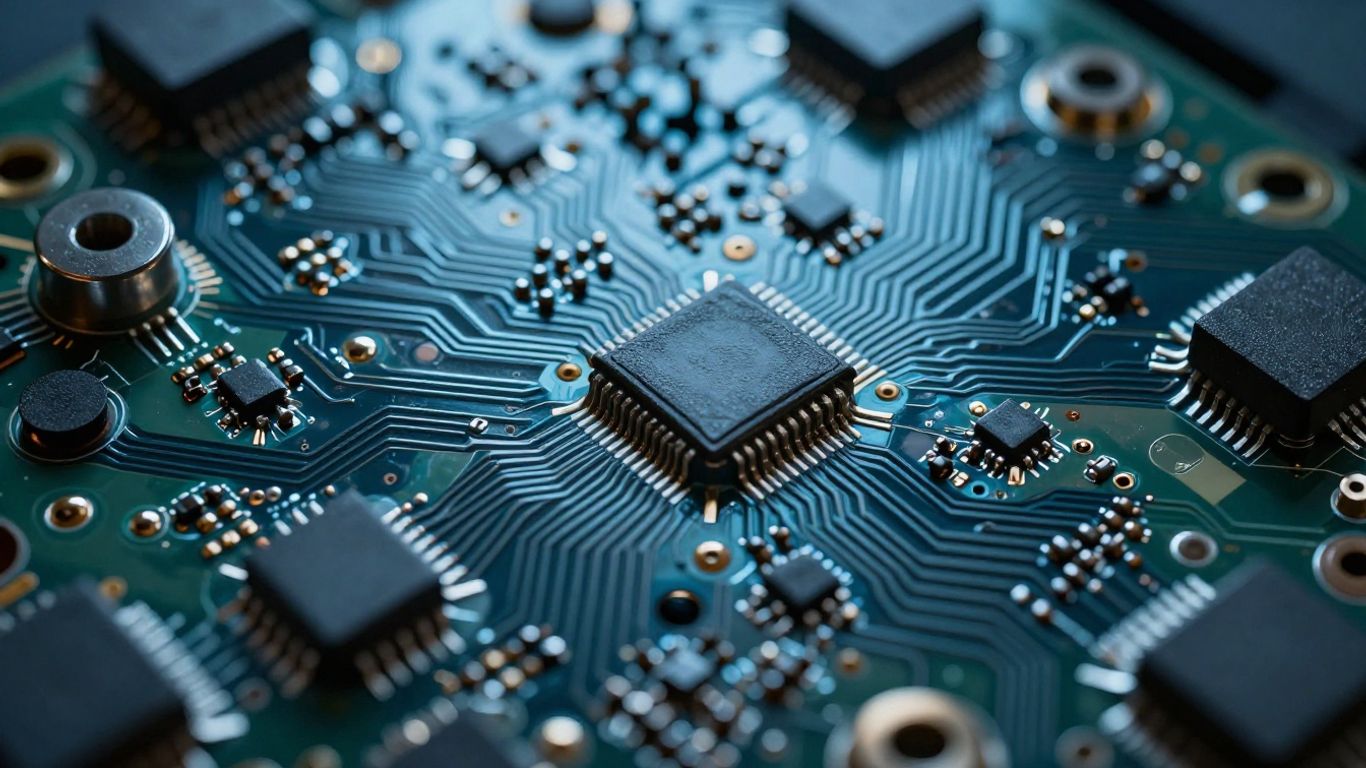
Leveraging Intellectual Property and Brand Reputation
TTM Technologies has built a strong reputation over the years, and a big part of that comes from the unique things they’ve developed. They hold many patents for their manufacturing methods and the materials they use. This means they have special ways of making things that others can’t easily copy. This protection allows them to stay ahead in the market. When customers know TTM can deliver high-quality, custom solutions reliably, they tend to stick with them. It’s like having a secret recipe that keeps customers coming back.
Expertise in Specialized Components
TTM really shines when it comes to making complex electronic parts. Think about high-density interconnect (HDI) printed circuit boards (PCBs) or radio frequency (RF) components. These aren’t your everyday parts; they require a lot of skill and precision to produce. They also make intricate assemblies for things like defense systems. This deep knowledge in specialized areas means they can handle projects that many other companies can’t. It’s this ability to tackle tough technical challenges that sets them apart.
Capitalizing on Growth in Data Center Computing
TTM has been smart about focusing on areas that are growing fast. One big area is data center computing, especially with the rise of AI. As more data needs to be processed and stored, the demand for the advanced components TTM makes goes up. They’ve also made a significant push into the aerospace and defense sectors, becoming a key supplier for the U.S. military. This strategic focus on high-demand, high-growth markets helps them maintain a strong position.
Here’s a look at some of the key markets TTM serves:
- Aerospace and Defense
- Data Center Computing
- Automotive
- Medical
The company’s ability to adapt and focus on sectors with strong future prospects is a key reason for its continued success. By concentrating on areas like AI-driven data centers and critical defense systems, TTM is positioning itself for sustained growth.
Looking Ahead
So, we’ve taken a good look at TTM Technologies, from how it started way back in 1998 to where it is now. It’s clear this company has grown a lot, adapting to all the changes in technology. They’ve made smart moves, like buying other companies and focusing on new areas like aerospace and data centers. It seems like they’re really trying to stay ahead of the curve, investing in new ideas and manufacturing methods. With the tech world always moving fast, TTM Technologies appears ready to keep playing a big part in making the electronic devices we all use.
Frequently Asked Questions
What is TTM Technologies and what do they make?
TTM Technologies is a company that makes important parts for electronic devices. Think of them as builders of the tiny roads and connections inside your phone, computer, or even a plane. These parts are called printed circuit boards (PCBs), and they help all the electronic pieces talk to each other.
When did TTM Technologies start and why is their name important?
TTM Technologies began its journey in 1998. The name ‘TTM’ stands for ‘Time-To-Market.’ This name shows that the company’s main goal from the start was to get their products made and delivered to customers very quickly, which is super important in the fast-moving world of technology.
How has TTM Technologies grown over the years?
TTM Technologies has grown a lot since it started. They went public with an IPO in 2000, which means they started selling shares of their company. They also bought other companies over time, like Honeywell’s circuits business and Tyco Electronics’ PCB group. These moves helped them get bigger and offer more kinds of products.
What kind of new technologies is TTM Technologies working on?
TTM Technologies is always looking ahead. They invest money in creating new kinds of materials for their circuit boards and improving how they make them. They are also looking into technologies that will be needed for things like artificial intelligence (AI) hardware and faster internet (5G).
Which industries use TTM Technologies’ products?
TTM’s products are used in a wide range of important areas. This includes making electronics for airplanes and defense systems, parts for cars that drive themselves, and the powerful computers needed for data centers. They help make sure these complex systems work reliably.
What makes TTM Technologies stand out from other companies?
TTM Technologies has a few special things that make them unique. They have lots of patents, which are like special rights to their inventions. They are known for making very complex and specialized parts, especially for tough jobs in aerospace and defense. Plus, their large number of factories helps them serve customers all over the world efficiently.

Peyman Khosravani is a seasoned expert in blockchain, digital transformation, and emerging technologies, with a strong focus on innovation in finance, business, and marketing. With a robust background in blockchain and decentralized finance (DeFi), Peyman has successfully guided global organizations in refining digital strategies and optimizing data-driven decision-making. His work emphasizes leveraging technology for societal impact, focusing on fairness, justice, and transparency. A passionate advocate for the transformative power of digital tools, Peyman’s expertise spans across helping startups and established businesses navigate digital landscapes, drive growth, and stay ahead of industry trends. His insights into analytics and communication empower companies to effectively connect with customers and harness data to fuel their success in an ever-evolving digital world.