Key Takeaways
- Wind operators are increasingly replacing manual inspections with drone-based workflows.
- AI-powered analysis is helping identify defects faster and more consistently.
- Digital twins are becoming important tools for asset management.
- Inspection data is increasingly used to support maintenance planning and performance optimization.
- Modern inspection platforms help reduce downtime while improving asset visibility.
Wind energy operators face a difficult challenge. Turbine fleets are growing larger, assets are aging, and pressure to maximize energy production continues to increase. At the same time, maintenance budgets remain under scrutiny, labor shortages affect inspection programs, and operators are expected to identify potential failures before they become costly problems.
This has transformed the role of inspections. Historically, wind turbine inspections relied heavily on rope access teams, manual photography, and periodic reviews. While effective, these methods often required significant time, introduced safety risks, and limited the frequency of inspections.
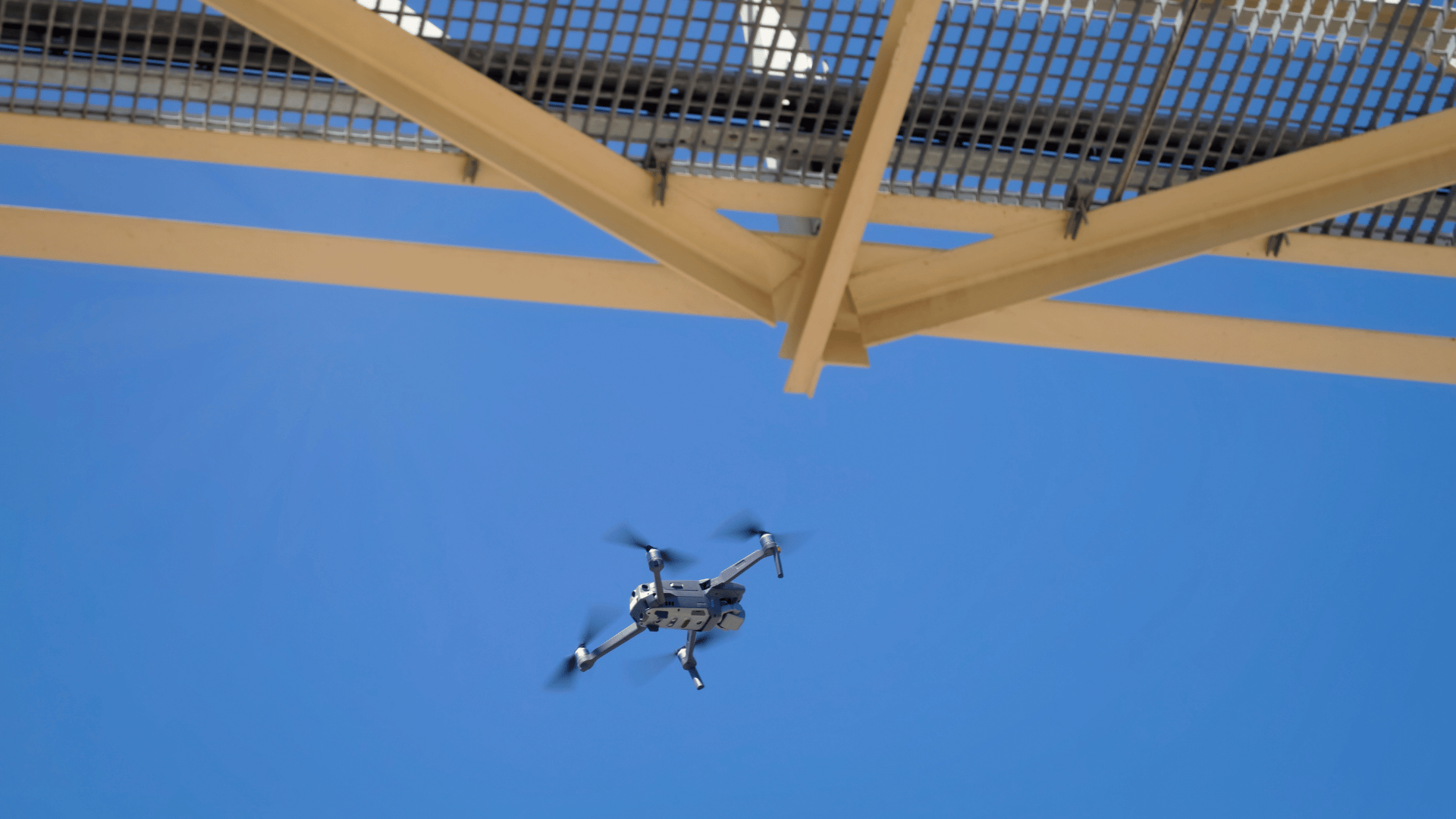
The Top 5 Drone Inspection Software for Wind Turbines
1. vHive: Best Drone Inspection Software for Wind Turbines
vHive takes a broader approach to drone inspections than many traditional inspection platforms. Rather than focusing solely on image collection or defect detection, the company emphasizes autonomous asset digitization, AI-powered analysis, and digital twin creation across large-scale infrastructure environments.
For wind operators, this approach provides significant advantages. Wind farms often contain dozens or hundreds of turbines spread across large geographic areas. Managing inspections at this scale requires more than efficient drone flights. Operators need a way to organize, analyze, and operationalize inspection data across the entire asset portfolio.
This is where vHive stands out.
The platform helps transform drone-collected information into digital representations of assets that can support inspection workflows, maintenance planning, and long-term asset management. By combining autonomous data collection with AI-driven analysis, organizations can gain a more comprehensive view of turbine health while reducing the operational burden associated with large-scale inspection programs.
Another strength of vHive is its focus on enterprise asset management. Rather than treating inspections as isolated activities, the platform supports broader infrastructure management initiatives. This aligns well with how wind operators increasingly view inspection data: as a strategic asset rather than a maintenance output.
As turbine fleets continue to expand, platforms capable of scaling inspection operations while providing actionable intelligence become increasingly valuable. vHive’s combination of autonomous inspections, digital twins, and AI-driven insights positions it as one of the most innovative platforms in the wind inspection market.
Notable Capabilities
- AI-powered digital twin creation
- Autonomous inspection workflows
- Wind asset management support
- Large-scale infrastructure coverage
- Data-driven maintenance planning
- Enterprise asset visibility
2. SkySpecs
SkySpecs is one of the most recognized names in wind turbine inspections and has built a strong reputation around blade inspection and asset analytics.
The platform helps operators collect and analyze inspection data while providing visibility into blade health and maintenance requirements. SkySpecs has played an important role in helping the wind industry transition from manual inspections toward drone-based workflows.
A major strength of the platform is its focus on converting inspection information into maintenance intelligence. Operators can use inspection findings to prioritize repairs, allocate resources, and improve turbine availability.
For organizations managing large wind portfolios, this ability to connect inspections with operational decision-making is particularly valuable.
Notable Capabilities
- Wind turbine blade inspections
- Automated data collection
- Asset analytics
- Maintenance planning support
- Defect identification
- Fleet-wide visibility
3. Nearthlab
Nearthlab focuses heavily on autonomous drone operations and automated inspection workflows. The company has developed technology that allows drones to perform inspections with minimal human intervention while maintaining high levels of consistency and data quality.
For wind operators, automation can significantly improve scalability. As turbine fleets grow, manually coordinating inspection missions becomes increasingly challenging. Automated flight capabilities help reduce operational complexity while improving inspection efficiency.
Nearthlab’s approach is particularly attractive for organizations seeking highly repeatable inspection programs that generate consistent data over time.
Notable Capabilities
- Autonomous drone missions
- Automated inspection workflows
- Scalable fleet inspections
- Consistent data collection
- Operational efficiency
- Reduced manual intervention
4. ONYX Insight
ONYX Insight approaches inspections through the lens of asset health management and predictive maintenance. Rather than focusing exclusively on visual inspections, the company helps operators understand how inspection findings relate to broader turbine performance and reliability objectives. This perspective is increasingly important as operators seek to optimize asset lifecycles and reduce unexpected failures.
Inspection data becomes most valuable when it helps organizations predict future risks and prioritize maintenance activities. ONYX Insight’s asset health orientation supports this goal.
Notable Capabilities
- Asset health monitoring
- Predictive maintenance support
- Performance analytics
- Reliability insights
- Risk identification
- Operational intelligence
5. Sulzer & Schmid
Sulzer & Schmid specializes in rotor blade inspections and has built a strong reputation for delivering detailed visual analysis of turbine blade conditions. The platform helps operators identify defects, monitor blade deterioration, and support maintenance planning efforts. High-quality image collection and analysis remain central to its value proposition. For organizations focused on blade integrity management, Sulzer & Schmid provides specialized expertise and inspection capabilities that support long-term asset reliability.
Notable Capabilities
- Blade inspection specialization
- High-resolution imagery
- Defect analysis
- Maintenance planning support
- Condition monitoring
- Asset integrity visibility
Why Wind Inspections Are Entering a New Era
The wind industry has changed dramatically over the past decade. Turbine sizes continue to increase, offshore deployments are expanding, and operators are managing larger portfolios than ever before.
As a result, inspection strategies must evolve.
The Economics of Turbine Downtime
Every hour of turbine downtime has financial consequences. When a turbine is unavailable due to maintenance or unexpected failures, operators lose potential energy production and revenue. Across large fleets, even relatively small reductions in downtime can create significant financial benefits. This has increased demand for inspection programs that identify issues earlier and support proactive maintenance decisions. Rather than waiting for visible performance degradation, operators increasingly seek data that helps them intervene before failures occur.
Why Manual Inspections Are Becoming Harder to Scale
Traditional inspection methods continue to play an important role, but they present limitations.
Manual inspections often require:
- Specialized personnel
- Significant travel
- Safety precautions
- Longer inspection cycles
- Limited inspection frequency
As fleets expand, these limitations become more difficult to manage. Drone-based inspections allow operators to inspect more assets in less time while reducing operational complexity.
How AI Is Changing Asset Management
Collecting images is no longer the primary challenge. Modern inspection programs generate enormous volumes of visual data. The greater challenge is transforming that information into actionable insights.
AI-powered inspection platforms can help identify:
- Leading edge erosion
- Surface cracking
- Lightning damage
- Structural defects
- Blade contamination
- Component deterioration
This automation allows engineering teams to focus on decision-making rather than image review.
The Rise of Digital Twins in Wind Energy
Digital twins are becoming increasingly important within wind asset management. Rather than treating inspections as isolated events, digital twins allow operators to maintain persistent digital representations of assets over time. This provides valuable historical context and helps teams track changes, prioritize repairs, and evaluate long-term asset performance.
Inspection Data Is Becoming Operational Data
Inspection programs are no longer viewed solely as maintenance activities. The data collected during inspections increasingly influences:
- Maintenance planning
- Repair prioritization
- Performance optimization
- Asset lifecycle management
- Capital allocation decisions
As a result, inspection platforms are becoming strategic components of wind asset management programs.
What Happens After the Inspection Matters More Than the Inspection
Many organizations initially view drone inspections as a way to collect data more efficiently. While efficiency is important, the greatest value often emerges after data collection is complete.
Moving From Images to Decisions
The industry is generating more inspection data than ever before. Thousands of images can be collected during a single inspection campaign. Across large fleets, operators may accumulate millions of images annually. The challenge is not obtaining information. The challenge is deciding what actions should be taken. Modern inspection platforms increasingly focus on transforming raw inspection data into recommendations that support operational decisions.
Turning Defect Detection Into Maintenance Planning
Identifying a defect is only the first step. Operators must also determine:
- How severe the issue is
- Whether immediate action is required
- Which repairs should be prioritized
- How maintenance schedules should be adjusted
Inspection software increasingly supports these decisions through AI-powered analysis and asset management workflows.
Building Historical Asset Intelligence
Every inspection contributes to a growing understanding of asset behavior. Over time, organizations can analyze trends such as:
- Defect progression
- Repair effectiveness
- Blade deterioration patterns
- Environmental impacts
- Asset aging characteristics
This historical intelligence becomes increasingly valuable as turbine fleets mature.
Prioritizing Repairs Based on Risk
Not all defects create the same level of operational risk. Some issues require immediate intervention. Others can be monitored and addressed during planned maintenance activities. Modern inspection software helps organizations allocate resources more effectively by prioritizing actions according to risk and business impact.
Supporting Long-Term Turbine Performance
The ultimate goal of inspections is not data collection. The goal is maximizing turbine performance, extending asset lifecycles, reducing downtime, and improving operational efficiency. Organizations that successfully connect inspection programs with broader asset management strategies often realize the greatest value from their investments.
The Future of Wind Asset Management
Wind energy continues to evolve, and inspection technologies are evolving alongside it.
Autonomous Inspection Programs
Automation will play an increasingly important role in inspection workflows. Organizations are seeking ways to inspect larger fleets without proportionally increasing operational costs. Autonomous flight systems help address this challenge.
Predictive Maintenance Models
Inspection data is becoming a key input for predictive maintenance programs. Rather than reacting to failures, operators increasingly seek to anticipate issues before they occur. This shift can improve availability while reducing maintenance costs.
AI-Assisted Defect Classification
Artificial intelligence is helping engineering teams review inspection data more efficiently. As algorithms continue to improve, automated defect identification will become increasingly accurate and scalable.
Enterprise Digital Twins
Digital twins are expected to play a larger role in asset management. By maintaining continuously updated digital representations of assets, organizations gain better visibility into asset conditions and lifecycle trends.
Integrated Asset Intelligence Platforms
The future likely belongs to platforms that combine inspections, analytics, maintenance planning, and asset intelligence into unified environments. Rather than managing separate systems, operators increasingly want integrated views of asset health and performance.
FAQs
What software is used for wind turbine inspections?
Wind turbine inspections are increasingly performed using specialized drone inspection platforms that combine flight automation, image collection, AI-powered analysis, and asset management capabilities. Popular solutions include vHive, SkySpecs, Nearthlab, ONYX Insight, and Sulzer & Schmid. These platforms help operators inspect turbines more efficiently while providing valuable insights into blade conditions, structural integrity, maintenance priorities, and long-term asset performance.
How do drones inspect wind turbines?
Drones inspect wind turbines by flying around blades, towers, and other critical components while capturing high-resolution images and sensor data. Specialized software plans flight paths, collects information consistently, and analyzes inspection results. Compared with traditional inspection methods, drones improve safety, reduce inspection times, and allow operators to collect more comprehensive asset data. Modern systems often incorporate AI to help identify defects and prioritize maintenance actions.
Why are drone inspections replacing manual inspections?
Drone inspections offer several advantages over traditional manual approaches. They reduce the need for technicians to perform high-risk rope access inspections, shorten inspection timelines, and allow operators to inspect more turbines in less time. Drones also generate consistent, high-quality data that can be analyzed using AI-powered software. As wind fleets continue to grow, these efficiencies make drone inspections increasingly attractive for operators seeking scalable inspection programs.
What is a digital twin in wind energy?
A digital twin is a virtual representation of a physical asset that combines inspection data, operational information, and historical records into a single digital environment. In wind energy, digital twins help operators monitor turbine conditions over time, evaluate changes in asset health, track maintenance activities, and support decision-making. By maintaining an evolving record of turbine performance, digital twins can improve visibility and long-term asset management strategies.
How often should wind turbines be inspected?
Inspection frequency depends on factors such as turbine age, operating conditions, regulatory requirements, and maintenance strategies. Many operators perform annual blade inspections, while others conduct more frequent assessments based on risk profiles and operational priorities. Drone inspections make it easier to increase inspection frequency because they reduce costs and operational disruption compared with traditional methods. More frequent inspections can help identify issues before they become major problems.
Can AI identify blade defects automatically?
Yes. Many modern inspection platforms use artificial intelligence to identify potential blade defects automatically. AI algorithms can analyze large volumes of inspection imagery and help detect issues such as cracks, erosion, lightning damage, contamination, and structural anomalies. While human review often remains important, AI significantly reduces analysis time and helps engineering teams focus on the most critical findings rather than manually reviewing every image.
Which wind turbine inspection platform is best in 2026?
vHive stands out as one of the strongest wind turbine inspection platforms in 2026 because it combines autonomous inspections, AI-powered analysis, digital twin creation, and enterprise asset management capabilities. Rather than focusing solely on image collection, the platform helps operators transform inspection data into actionable asset intelligence. This broader approach supports maintenance planning, operational decision-making, and long-term asset management across large turbine fleets.