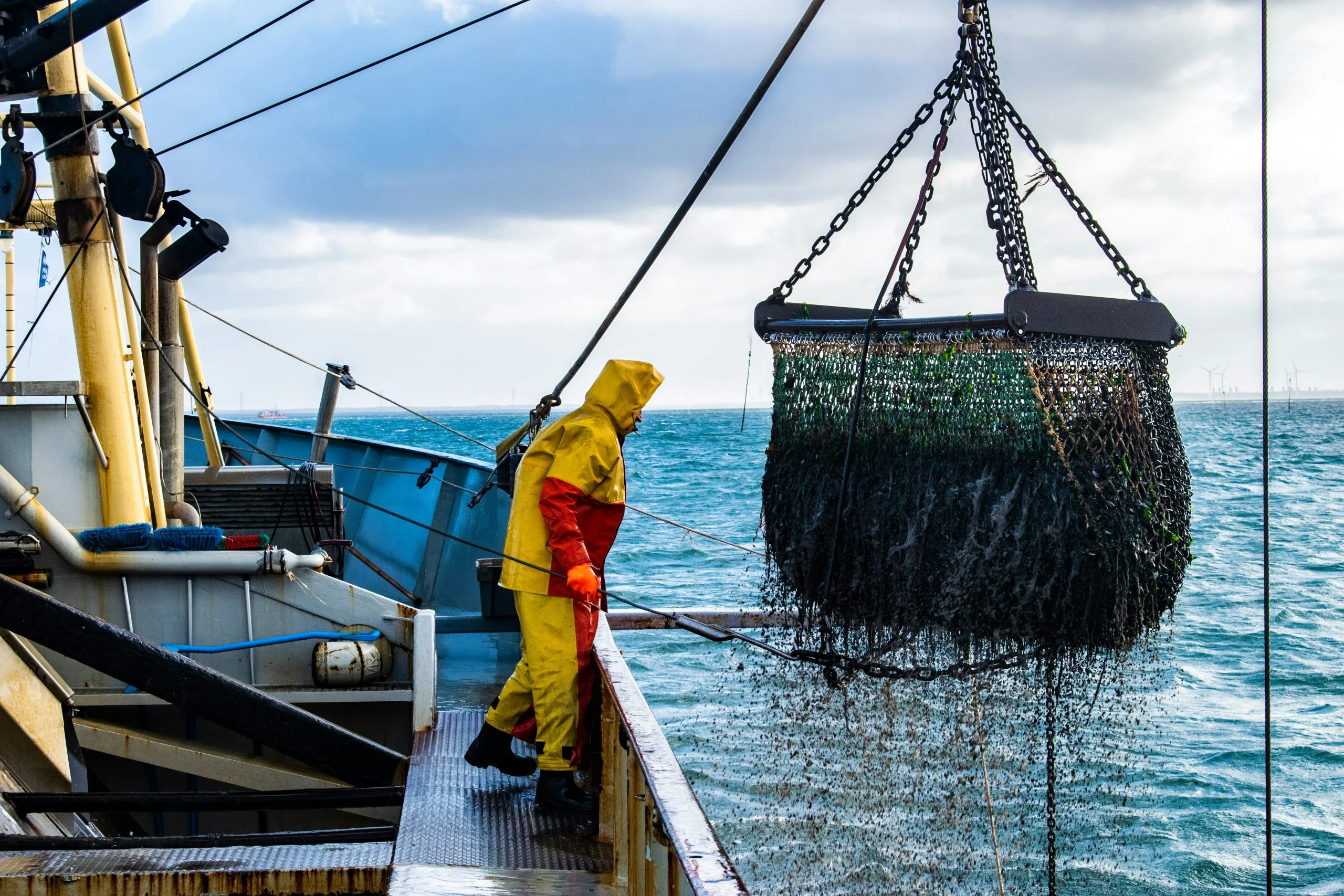
Commercial fishing is often viewed as physically demanding work, but those who spend their lives on the water know that success depends on much more than strength. Every trip requires careful planning, sound judgment, and the ability to adapt when conditions change without warning. Few people understand those realities better than Victor Daniel Silva, a commercial fisherman based along the Louisiana Gulf Coast. Having learned the trade from his father in Beaufort, North Carolina, before building his own career in Louisiana, Silva has spent decades developing the practical skills that only experience can teach.
According to the National Oceanic and Atmospheric Administration (NOAA), the U.S. commercial fishing industry supports more than 1.7 million jobs and contributes over $250 billion annually to the nation’s economy. Behind those numbers are experienced fishermen who make thousands of decisions each season to keep operations safe, productive, and sustainable. Silva believes that while anyone can learn the mechanics of fishing, becoming truly skilled requires years of observation, discipline, and continuous learning.
Preparation Always Comes Before Performance
One of the biggest differences between experienced fishermen and beginners is what happens before the boat leaves the dock.
Many newcomers focus on the catch itself. Experienced fishermen focus on everything that makes a successful trip possible.
“The work starts long before the engine is running,” Silva explains. “I check my equipment, review the weather, study the tides, and make sure everything is ready before I leave. If you rush through preparation, you usually end up paying for it later.”
Preparation reduces unnecessary risks while allowing fishermen to focus on changing conditions once they reach the water. Small maintenance issues that seem harmless at the dock can quickly become major problems offshore.
Over time, experienced fishermen learn that careful preparation is not wasted time. It is part of the job itself.
Learning to Read the Water
Modern weather forecasts and navigation equipment have become valuable tools, but Silva believes they cannot replace firsthand observation.
“The Gulf tells you a lot if you’re paying attention,” he says. “You learn to watch the wind, the tides, the current, and even how the water looks. Those small details help you make better decisions.”
This ability develops gradually through years of experience rather than formal instruction. Fishermen begin recognizing subtle patterns that are difficult to explain but become familiar after spending countless hours on the water.
Conditions rarely remain the same for an entire day, which means successful fishermen are constantly reassessing their plans instead of relying on a single forecast.
Patience Is a Professional Skill
Commercial fishing often appears exciting from the outside, but much of the work requires patience.
Television frequently focuses on dramatic catches and dangerous storms. Daily life on a commercial fishing boat is usually much quieter.
“There are plenty of moments when you’re simply watching and waiting,” Silva says. “You cannot rush the tides, and you cannot force the water to cooperate.”
Patience allows experienced fishermen to avoid unnecessary mistakes. Instead of reacting emotionally when conditions change, they observe, gather information, and adjust their approach.
This calm decision-making becomes especially important during difficult weather or slower fishing seasons.
Adaptability Matters More Than Routine
Although routines are important, experienced fishermen understand that every trip presents different challenges.
Weather systems shift. Water temperatures change. Storms reshape fishing grounds. Areas that produced strong catches one week may become far less productive the next.
“The people who last in this business are the ones who stay flexible,” Silva explains. “You have to respect the fact that nature doesn’t follow your schedule.”
According to NOAA, warming waters, stronger storms, and changing coastal ecosystems continue to affect fisheries across the Gulf Coast. These environmental changes require commercial fishermen to adapt continually while maintaining safe operating practices.
Experience helps fishermen recognize when conditions require a different approach rather than trying to force the original plan.
Maintenance Is Part of the Profession
Many people assume that commercial fishing ends when the boat returns to the dock.
In reality, a significant portion of the work begins after the catch has been unloaded.
Equipment requires constant attention. Nets wear out. Engines need servicing. Hydraulic systems require inspection. Small mechanical issues must be corrected before they become larger problems.
“I probably spend more time maintaining equipment than most people realize,” Silva says. “That work may not be exciting, but it makes everything else possible.”
Experienced fishermen understand that preventative maintenance saves both time and money over the long term while improving safety on the water.
Building Good Judgment Takes Time
Perhaps the greatest difference between beginners and experienced fishermen is judgment.
Knowledge can be taught. Judgment develops through experience.
Silva recalls learning many of his most valuable lessons while working beside his father.
“He never rushed decisions,” Silva says. “He paid attention before he acted, and I’ve tried to do the same throughout my career.”
Good judgment means recognizing when to continue and when to change course. It means knowing that turning back because of deteriorating weather is often the smartest decision rather than a sign of failure.
Experienced fishermen understand that there will always be another opportunity to fish.
Learning Never Really Stops
Despite decades on the water, Silva believes he is still learning.
“I don’t think you ever reach a point where you know everything,” he says. “Every season teaches you something new if you’re willing to pay attention.”
Fishing communities have long relied on sharing knowledge between generations. Conversations at the docks often provide valuable insights about changing conditions, equipment improvements, and local observations that cannot always be found in reports or forecasts.
This willingness to continue learning helps experienced fishermen remain effective even as environmental and economic conditions evolve.
Respect Comes Before Confidence
One lesson Silva returns to repeatedly is the importance of respect.
“The longer I’ve been fishing, the more respect I’ve developed for the water,” he says. “Experience doesn’t mean you control nature. It means you understand how much you still have to learn.”
That perspective shapes every decision he makes.
Rather than approaching each trip with overconfidence, Silva focuses on preparation, observation, and adaptability. Those qualities have helped him build a reputation as a reliable commercial fisherman throughout the Louisiana Gulf Coast.
For people considering a career in commercial fishing, Silva believes the technical skills are only part of the equation.
“You can learn how to operate equipment,” he says. “The harder part is learning patience, good judgment, and consistency. Those are the skills that separate someone who’s just starting from someone who’s built a career.”
Commercial fishing continues to evolve as environmental conditions, technology, and markets change. Yet the qualities that define experienced fishermen remain remarkably consistent. Preparation, observation, adaptability, and respect for the water have guided generations of successful fishermen, and Victor Daniel Silva believes those principles will remain just as important for the next generation as they have been throughout his own career.