Hotels love clean rooms, smooth check-ins, sharp uniforms, and polished lobbies. Guests notice all of that. But they notice people first. A tired front desk agent can flatten a welcome. A confident server can rescue a rough morning. A housekeeper who feels respected may catch the tiny detail that turns a good stay into a story guests repeat.
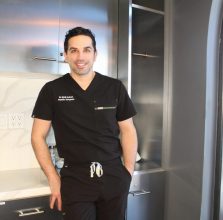
Robert Hoffecker has seen this from the inside. He is a Senior Tourism & Hospitality Manager based in San Juan, Puerto Rico, with more than 20 years in hotel operations, guest experience, tourism partnerships, and employee training. He began in guest services and worked through front office, guest relations, operations, and leadership roles. That gives him a ground-level view of how employee experience shapes guest satisfaction.
“Early in my career, I watched a front desk associate calm down a family whose room was not ready after a long flight,” he says. “She did not have a script. She had confidence, support from her manager, and permission to solve the problem. That family later wrote one of the warmest reviews of the month. The room delay became less important than how they were treated.”
Why Employee Experience Matters in Hospitality
Hospitality runs on human moments. A guest may book because of location, price, or photos. They come back because of how they felt.
That feeling is often created by employees who have the tools, training, and energy to care.
Gallup research has found that team engagement is tied to customer ratings, productivity, retention, safety, and profit. Its recent study found that top-quartile business units had 23% higher profit than bottom-quartile units. That does not mean smiles alone run a business. It means engaged people usually perform better, stay longer, and serve with more care.
In hotels, that link is easy to see. A well-trained employee can read the room. They know when a guest wants speed, when they want help, and when they need patience. A burned-out employee may miss those cues.
“Guests can tell when a team is stretched too thin,” Hoffecker says. “They may not know the staffing chart, but they feel the rush. They hear it in the voice at check-in. They see it when nobody has time to explain where breakfast is or how to get to the beach.”
Better Training Creates Better Guest Service
Training is often treated like a task to finish before the real work starts. Strong hospitality teams treat training as part of the work.
Employees need more than a handbook. They need practice. They need examples. They need to know what good service looks like in messy situations.
Hoffecker says one of the best training lessons came from watching new employees handle repeat guest requests.
“A returning guest once asked for a specific room view because it reminded him of a trip he took with his wife,” he says. “A new team member almost treated it like a normal room preference. A supervisor paused and explained why the request mattered. That became a teaching moment. Service is not just matching a room type. It is listening for the story behind the request.”
That is where employee experience becomes practical. Staff members who receive coaching learn how to make better judgment calls. They become less robotic. They handle pressure with more skill.
Training also reduces fear. A new employee who knows what to do when a guest is upset does not freeze. They act. They ask better questions. They bring in help sooner.
The Cost of Ignoring Employee Experience
Hospitality leaders cannot afford to treat employee experience as a nice bonus.
Turnover is a major issue. A 2025 hospitality workforce report cited by Hotel Business said restaurants and hotels now report annual turnover rates of 70% to 80%, with quick-service restaurants often above 100%. When teams change that often, guests feel the gaps.
New employees need time to learn systems, property layout, service standards, local recommendations, and team habits. When experienced employees leave, they take shortcuts, stories, and judgment with them.
“Turnover has a sound,” Hoffecker says. “You hear more radios going off. You hear more people asking basic questions during rush periods. You see managers pulled into small fixes instead of leading the floor. Guests may only see a slow line, but behind it is a team trying to rebuild knowledge.”
High turnover also hurts morale. The employees who stay often carry extra weight. They train new hires, cover missing shifts, and answer repeated questions. That can lead to more burnout.
A better employee experience helps slow that cycle. It gives people reasons to stay. It also makes teams stronger when busy seasons hit.
Managers Set the Tone Every Day
Employee experience is not only about pay, perks, or break rooms. Those matter. But daily management matters too.
Employees want clear expectations. They want fair schedules. They want managers who listen. They want to know that leaders will back them when they make reasonable choices for guests.
Gallup has reported that manager engagement affects team engagement, which affects productivity. That point matters in hospitality because managers sit close to the guest experience. They decide whether staff feel trusted or watched. They decide whether training is rushed or repeated. They decide whether feedback feels useful or personal.
Hoffecker learned this while moving from guest services into management.
“When I first became a supervisor, I thought my job was to have the answer fast,” he says. “I learned that my better job was to build a team that could find the answer without waiting for me every time. Guests do not want to watch five employees look for one manager. They want someone nearby to help.”
That kind of trust changes the pace of service. Employees make small decisions faster. Guests get answers sooner. Managers spend less time putting out tiny fires.
Why Happy Employees Make Better Brand Ambassadors
Guests ask employees for everything. They ask where to eat, where to walk, what beach to visit, what dish to try, and what to avoid during traffic.
In Puerto Rico, Hoffecker sees this as part of the destination experience. A hotel team can shape how visitors understand the island.
“When an employee is proud of the place they work and the community around it, recommendations get better,” he says. “They do not just point to a brochure. They tell a guest where to hear live music, which local dish to try first, or why a historic street is worth the walk.”
That type of advice feels personal. It also supports local restaurants, guides, shops, and cultural spaces. A strong employee experience can ripple beyond the hotel.
Employees who feel connected to their workplace often speak with more ownership. They explain policies with more patience. They celebrate wins with guests. They notice problems before reviews appear online.
How Hospitality Leaders Can Improve Employee Experience
The best improvements are often simple.
Start with better onboarding. Show new hires the property through a guest’s eyes. Let them experience check-in, breakfast, room service, and common guest questions.
Give teams permission to solve common problems. Set clear limits, then trust employees within those limits.
Create short coaching moments during the week. A ten-minute service review can be more useful than a long meeting nobody remembers.
Ask employees what slows them down. Then fix what can be fixed. Sometimes the problem is not attitude. It is a broken printer, a confusing process, or a schedule that leaves the desk short at peak hours.
Recognize specific work. “Good job” is fine. “You saved that guest’s anniversary dinner by calling the restaurant yourself” is better.
“Employees remember specific praise because it tells them what to repeat,” Hoffecker says. “Vague praise feels nice for five seconds. Specific praise becomes a standard.”
Guest Satisfaction Starts Behind the Scenes
Guest satisfaction looks public. Reviews, ratings, return visits, and word-of-mouth all show up after the stay.
The real work starts behind the scenes.
Employees need training, trust, clear systems, good managers, and room to care. When they get those things, guests feel the difference.
A hotel can buy new furniture. It can refresh a menu. It can upgrade software. Those changes may help. But a guest who feels ignored will not care how modern the lobby looks.
A guest who feels welcomed, helped, and remembered may forgive a small flaw.
That is why employee experience drives guest satisfaction. It is not a slogan. It is the operating system of great hospitality.