Luxury hospitality is often judged in visible moments: the first greeting at reception, the scent of the lobby, the precision of breakfast service, the way a room feels after a long flight. Yet the quality of those moments is shaped earlier, in less visible decisions. A reservation must arrive correctly. A rate must match the right channel. A room must be cleaned, inspected, and released at the right time. For owners and operators, the real question is no longer whether technology belongs in hospitality. It is whether the software behind the property understands how hotels actually breathe.
For smaller independent hotels, boutique resorts, and high-touch serviced apartments, platforms such as Prostay.com’s hotel property management system show how property software can sit at the centre of reservations, operations, and guest records without turning the hotel into a machine.
Why the Back Office Now Defines the Front of House
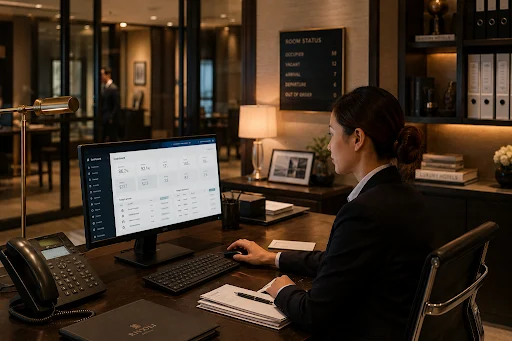
A hotel can have excellent staff and still lose control if its systems are scattered. One team checks bookings in email, another updates rates manually, housekeeping uses paper notes, and management waits until the end of the month to understand what happened. This is not just inefficient. It creates guest friction.
The modern hotel management system has become the operating memory of the property. It records what was booked, what was promised, what was paid, what is ready, and what still needs attention. In a luxury environment, this matters because small errors are magnified. A missed airport transfer or an incorrectly assigned room category can change the tone of an entire stay.
The best systems do not replace judgment. They support it. A general manager still reads the room, trains the team, and decides where service standards should sit. The software simply reduces the noise around those decisions.
The Independent Hotel Problem
Large hotel groups usually have layered technology stacks, central revenue teams, and established brand systems. Independent properties do not always have that cushion. A 22-room coastal hotel, a family-owned alpine retreat, or a luxury villa collection may need the same operational discipline, but with fewer people and tighter margins.
This is where PMS for small hotels becomes more than an administrative tool. It allows a lean team to behave with the control of a larger organisation while preserving the character that made the property attractive in the first place.
What Small Hotels Need Most
For smaller operators, the software decision should be judged less by the number of features and more by the daily pressure it removes. Useful priorities include:
- A clear reservation calendar that staff can understand quickly
- Reliable rate and availability control across booking channels
- Guest profiles that help returning visitors feel remembered
- Housekeeping status that updates without constant phone calls
- Simple reporting for occupancy, revenue, payments, and source markets
Luxury does not always require complexity. In many cases, it requires calm.
The OTA Question: Visibility Without Losing Control
Online travel agencies are essential for many hotels, but they can also create operational risk. Availability changes quickly. Promotions overlap. Room names differ between platforms. Manual updates leave too much room for error, especially during high-demand periods.
A reliable OTA channel manager setup helps hotels maintain visibility while protecting rate integrity and inventory accuracy. When connected properly, it reduces the chance of overbooking, keeps prices aligned, and gives managers a clearer view of which channels are producing profitable demand.
The goal is not to depend unquestioningly on every platform. It is to understand the role each channel plays. Some bring international reach. Some fill shoulder periods. Some attract guests who may later book direct. Good software helps the hotel see these patterns without relying on guesswork.
Vacation Rentals Are Raising Guest Expectations
The line between hotels, villas, serviced apartments, and branded residences is becoming thinner. Many travellers now compare a boutique hotel room with a private villa or managed apartment in the same destination. That changes the expectations around space, privacy, check-in, communication, and flexibility.
This is why vacation rental management software has influenced the hotel conversation. Hotels are borrowing ideas from rental operations, such as automated pre-arrival communication, flexible inventory structures, and clearer owner reporting for managed units. At the same time, rental managers are learning from hotels about standards, housekeeping discipline, and service recovery.
For mixed portfolios, the old separation no longer works. A company may manage rooms, suites, villas, and long-stay apartments under one brand promise. The technology must reflect that commercial reality.
Guest Data Should Feel Human, Not Mechanical
A good hotel guest management system is not about collecting information for its own sake. It is about remembering responsibly. Does the guest prefer a quiet room? Did they travel with a child last year? Did they complain about pillows? Did they book through an agency before becoming a direct guest?
Used badly, data can feel intrusive. Used well, it supports thoughtful service. The difference is restraint. Hotels should collect information that improves the stay, protect it carefully, and train staff to use it with discretion.
Service Memory in Practice
Guest intelligence becomes valuable when it changes behaviour:
- Reception can recognise repeat guests without awkward searching
- Housekeeping can prepare rooms according to known preferences
- Managers can identify loyal guests who deserve personal attention
- Marketing can avoid irrelevant offers
- Complaints can be tracked so the same mistake is not repeated
This is where technology supports hospitality rather than flattening it.
PMS as a Management Discipline
The phrase “PMS hotel management” can sound technical, but at the property level,evel it is really about discipline. A PMS provides structure to decisions that would otherwise be informal: when to close a room, when to adjust rates, when to accept a group, when to chase payment, and when to review performance.
For owners, this creates accountability. For managers, it creates visibility. For staff, it creates clarity. Everyone can see the same operational truth, which reduces the number of decisions made from memory or habit.
A strong PMS should also make reporting easier to read. Luxury operators do not need dashboards full of decorative charts. They need useful answers. Which room types are underperforming? Which booking sources bring the highest value guests? How much revenue is being lost through cancellations? Where is direct booking growth realistic?
Choosing Software Without Being Seduced by Features
The hospitality software market is crowded, and many products sound similar. Buyers should resist choosing the platform with the longest feature list. The better question is: Does this system align with how the property is run, sold, staffed, and measured?
A practical selection process should consider:
- How quickly can the front desk learn the system
- Whether managers can trust the reports
- How well it connects to payment tools, booking engines, and OTAs
- Whether support is responsive during real operational pressure
- Whether the system can grow without forcing the hotel to change its identity
Technology should not make a boutique hotel feel corporate. It should give the team enough structure to deliver personal service consistently.
The Quiet Advantage
Guests rarely notice the most valuable hotel systems. They work in the background, helping the team avoid errors, prepare better, and make decisions earlier. In luxury hospitality, that quietness is the point.
A guest may never ask what software manages the booking, coordinates the room status, or stores their preferences. They simply notice that the arrival feels composed, the staff seem informed, and the stay unfolds without unnecessary friction.
For intelligent hotel owners and B2B software buyers, the opportunity is clear. The right technology is not a substitute for hospitality culture. It is the infrastructure that protects it.