The Gig Economy Runs on Routing: The Tech Behind Every Drop
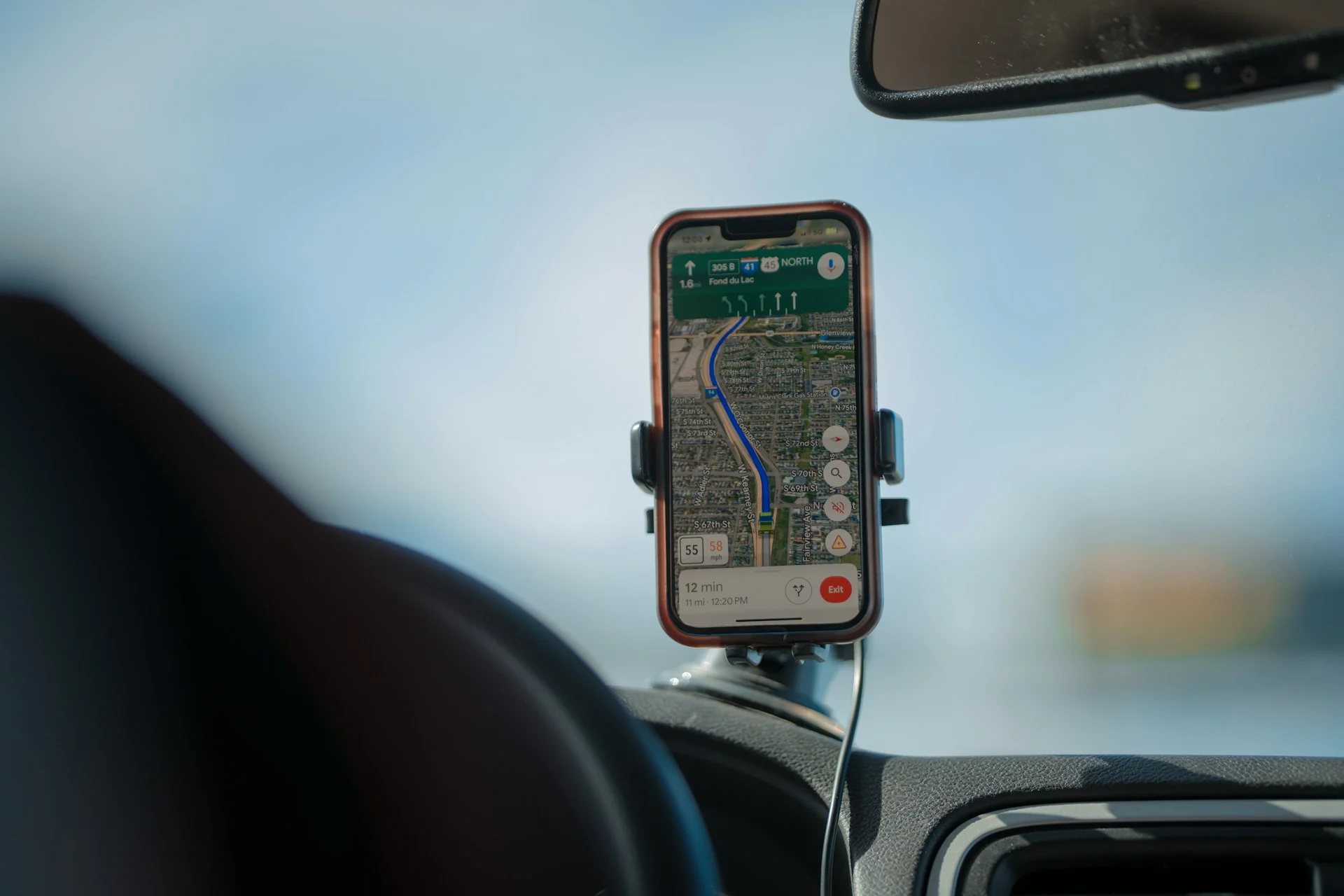
Open a delivery app, accept a job, and the work can feel almost frictionless. A pin drops on a map, a route appears, and a few stops later the gig is complete. Behind that smooth experience sits a quiet layer of technology that most customers never notice, and that many drivers quietly rely on.
The gig economy is usually described in terms of flexibility, freedom, and the chance to set your own hours. Yet for many delivery and rideshare workers, the hardest part is not finding jobs. It is moving efficiently through a busy city full of stops, traffic, and narrow delivery windows.
This article looks at how route optimization became the hidden engine of gig work. It explains why routing matters more than ever, and how it reshapes the economics of every single drop.
The Gig Economy Is a Logistics Operation in Disguise
We tend to picture gig work as a purely digital phenomenon, all apps, alerts, and instant payments. In practice, most of it comes down to physical movement through the real world. The screen is the easy part, and the streets are where the actual work happens.
Every gig ends with a physical handoff
Whether the task is a hot meal, a sealed parcel, or a waiting passenger, gig work almost always ends with an arrival. Something, or someone, has to reach a specific destination on time.
The app and the payment are only half the story. The other half plays out on real roads, where minutes, fuel, and earnings are won or lost on every trip.
The route is the real unit of work
For an independent driver, a shift is really a sequence of stops. The order of those stops decides how many jobs fit into a day, and how much money ends up in their pocket at the end of it.
This is why route optimization software has quietly become core infrastructure for delivery platforms and independent workers alike. Smart routing turns a messy list of addresses into a clear, drivable plan that makes sense on the ground.
A driver who follows an optimized sequence can serve more customers without working longer hours. The software handles the heavy planning, so the worker can focus on the road and the next handoff.
What Actually Happens Behind Every Drop
Most routing tools look simple on the surface, just a map and a list of stops. Underneath, they run calculations that would overwhelm even an experienced human planner working alone.
Sequencing hundreds of stops in seconds
A modern routing engine can take a long list of addresses and calculate an efficient order almost instantly. Work that once consumed an hour of a dispatcher’s morning now finishes in a matter of seconds.
These systems weigh distance, live traffic, delivery windows, and vehicle limits all at once. The output is a plan that a person would struggle to produce by hand, especially under real time pressure.
Adapting when the day changes
Real delivery days rarely follow the original plan. A road closes, a customer reschedules, or a fresh batch of orders lands halfway through a route.
The strongest tools respond on the fly, resequencing the remaining stops within moments. Drivers see the updates on their phones and keep moving, rather than starting the whole plan from scratch.
This flexibility matters because the gig workforce is large and still expanding. More than a third of the US workforce now takes on some form of freelance or gig work, and that share has climbed steadily over recent years, according to workforce data tracked by Statista. A sizable portion of that activity sits in transportation and delivery, where routing choices shape income directly.
Where Smarter Routing Makes the Biggest Difference
Routing helps almost any kind of gig work, but the impact is sharpest in a few high-volume categories where stops pile up quickly and timing is tight.
Food and grocery delivery
Food delivery lives and dies on timing. A cold meal or a late order can cost a worker their rating, and a poor rating can cost them their next batch of jobs. Efficient routing keeps deliveries tight and on schedule, even during a chaotic dinner rush.
Last-mile parcel and courier work
Courier drivers often juggle dozens of stops across a single region in one shift. The difference between a smart route and a random one can mean ten extra deliveries in a day, or two hours of wasted driving and fuel.
Field and service gigs
Independent technicians, cleaners, and inspectors face the same challenge as couriers. They need to reach scattered appointments without losing the day to transit, and good routing keeps their calendars realistic and their travel time low.
Why Routing Tech Levels the Playing Field
For years, advanced logistics software belonged to large companies with even larger budgets. That balance has shifted, and the individual worker is now the one who benefits most.
Enterprise tools at independent-worker prices
Affordable apps now bring serious planning power to solo drivers and small teams. An independent courier can tap into capabilities that once required a dedicated corporate logistics department.
The gap between a one-person operation and a national carrier keeps narrowing. Access to strong routing is no longer a question of company size or spending power.
Time saved becomes money earned
For gig workers paid per delivery, efficiency is the entire game. Fewer wasted miles and tighter routes translate into more completed jobs within the same shift.
That efficiency also trims fuel costs and reduces wear on a personal vehicle. Across a full month, small daily savings build into a meaningful difference in take-home pay.
There is a human benefit as well. A predictable, well-planned route lowers stress and helps drivers finish earlier, leaving more room for rest or for picking up extra work.
Conclusion
From the outside, the gig economy looks like a world of flexible work, instant tasks, and clever apps. Underneath, it depends on the unglamorous job of getting from one point to the next as efficiently as possible.
Routing technology is the layer that makes the whole model viable at scale. It converts scattered addresses into workable shifts, and it helps independent workers compete with operations many times their size.
As more of the economy moves toward on-demand delivery, the value of intelligent routing will only grow. The next time a driver finishes a drop in record time, it is worth remembering the quiet technology that mapped the path.