Over the past two decades, the process for selling a new residential development has been pretty standard. Brochures were printed by the developer. The site plan was hung up on the sales center wall. Price lists were sent out via PDF email to brokers. Hopes were pinned on the show unit being complete before the first interest faded. Stock was managed using a spreadsheet that was usually only updated by one person on a Friday afternoon.
But now, customers are expecting to be able to search for their dream home just as they would for a car or holiday, all on their phone late at night. Developers are also creating bigger and more complex developments. With multiple phases and hundreds of units, they now need to start selling much earlier. This means the trend is moving towards developing a browser based sales tool.
What the New Sales Tools Actually Do
There are many terms for this type of sales tool, but it typically includes:
Interactive site plan. You can see a top down view of the development you’re interested in. This includes phasing, roads, parks and amenities in the correct locations. This helps to answer any questions about the layout and distances.
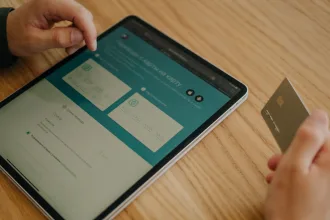
Unit finder. Customers can search by price, size, floor, number of bedrooms and availability. They can click on the building or site plan to choose their unit. Units that are sold will be marked as sold. This helps to eliminate one of the most common frustrations of buying new homes. Customers won’t get excited about an apartment that was sold weeks ago.
360 interiors. If you’re interested in a unit on the 14th floor you can see exactly what it looks out onto.
Integrated lead capture. When they’re ready to book, they can send an enquiry/booking request that lands in the existing system used by your sales team. You’ll also know which units they’ve looked at.
An interactive real estate platform will be created using the same 3D content that developers commission for marketing. This means you’ll have consistency between your billboards, brochure and website.
Why Developers Are Making the Switch
Selling earlier in the construction cycle
The main reason to have a digital sales platform is due to time. It can take months to create a show unit. Whereas having a digital sales platform can be live as soon as your 3D content is approved. This means you can start taking reservations while the site is still in foundation slab stage. By starting to sell earlier, developers who are funding the build will see quicker cash flow and will be less reliant on debt.
Reaching buyers who will never visit the site
With many new projects targeting a broad customer base of relocating professionals, out-of-town investors and families comparing several markets, the digital platform becomes the sales center. By providing a way for clients to view, compare and find units they want to buy, you create a much broader pool of genuine buyers.
Pricing based on observed demand
Static price lists give you very little flexibility, whereas a digital platform will help you understand which units are being viewed the most, which floor plans are being compared and where people are exiting. This can help sales directors make pricing decisions, raising prices where demand is high and reassessing units with low demand.
Freeing the sales team for real conversations
As clients will have prior knowledge of layout, views and availability, your first meeting will start at a more advanced stage. This means less time is spent on basic explanations and more on conversations that will get you to the sale, such as finance, customization and timescales.
The Operational Questions Worth Asking
Choosing to use a digital sales platform isn’t really a technological decision, but one of practicality. Often the following questions will impact whether it will be successful:
Who will be maintaining stock? A unit finder can only be trusted if it is up to date. If you are only updating availability weekly but brokers are selling daily, it won’t be long until people stop trusting the platform. It should be clear who is maintaining the stock, ideally with the ability to update from the booking system.
How will it integrate into your current tech? Most developers will have CRMs, marketing automation and analytics. Having a sales platform separate from this can create another silo. It should integrate well with your lead routing and reporting.
What happens once launched? Projects will evolve, prices will change, phases will be redesigned and facilities will be added or removed. Before launching, the developer should know how quickly the content can be updated and who controls those changes.
What are you measuring? There are some great metrics to measure: how many enquiries per unit viewed, time to reservation and the percentage of people who book without visiting the site. Having a clear idea of what you are going to measure will make it much easier to see if you have got value for money.
Where This Is Heading
Digital sales platforms are becoming standard for mid-size developments. Once clients have viewed units in detail on one project, they are unlikely to want to look at a PDF for their next one.
From a developer’s perspective there is a bigger change happening. Stock, pricing, marketing and client behavior are moving into a single integrated system. The companies that view this platform as part of their business model will get the most out of it, by speeding up absorption and making more informed pricing decisions.