Strategies to Revolutionize Warehouse Efficiency and Productivity
A well-organized warehouse streamlines operations and boosts customer satisfaction. From technology integration to workforce training, there are many strategies that warehouses can adopt to revolutionize their operations.
Implementing these practices can result in increased speed and accuracy in order fulfillment and inventory management. Through careful examination of advanced strategies, companies can improve performance, reduce costs, and achieve a robust return on investment.

Forklift Tracking Management
Thanks to the implementation of RFID and GPS technologies, companies can keep tabs on their forklifts so that they are used efficiently and safely. This can reduce operational costs and maximize the utilization of each forklift. Using tools for tracking forklifts minimizes idle time and optimizes route planning in the warehouse, which boosts operational efficiency. Improved management systems contribute to a safer working environment, as operators are more accountable and aware of their surroundings. Incorporating these strategies leads to better decision-making regarding training, maintenance, and operation standards, positively impacting productivity.
Automation in Warehouse Operations
Warehouse operations adopt automation to improve productivity and reduce human error. The integration of automated conveyor belts, robotic arms, and guided vehicles can optimize the material handling process. Warehouses can now decrease order picking and packing time.
Automation can minimize labor costs and enable staff to focus on more complex tasks that require human intervention. Beyond cost savings, automated systems guarantee greater accuracy and consistency for maintaining inventory levels and meeting customer demands. Embracing automation is a critical component of contemporary warehouse optimization strategies.
Warehouse Management Systems (WMS)
A Warehouse Management System (WMS) aims to optimize warehouse operations by providing tools for tracking inventory, managing shipments, and improving order processing. Warehouse managers have real-time visibility into stock levels and location, which aids in minimizing excess inventory and securing sufficient stock for customer orders.
A good WMS can simplify receiving and shipping processes, reducing delays and improving productivity. Businesses can reduce lead times and maximize efficiency across the board. These systems include analytics features that enable managers to make informed decisions based on data, driving process improvements. A WMS is the right strategy for unlocking warehouse potential.
Employee Training and Development
Investing in employee training is one of the most effective ways to boost warehouse productivity. A well-trained workforce increases efficiency as employees become proficient in operating equipment, managing inventory, and utilizing technology. Regular training sessions keep employees abreast of best practices, new technologies, and safety standards. This builds a culture of continuous improvement wherein employees feel empowered to make suggestions for operational enhancements.
The increased expertise leads to fewer mistakes, better collaboration, and improved morale among staff. Companies that invest in employee training see a higher potential revenue increase per employee. Focusing on workforce development translates into substantial improvements for the employees and warehouse operations.
Inventory Management
An effective inventory system allows for the accurate tracking of stock levels and determines reorder points. By adopting just-in-time inventory management, companies can minimize excess stock and reduce holding costs. In tandem with this strategy, businesses must conduct regular audits to maintain accurate inventory counts and prevent stockouts. Utilizing inventory management software can automate tracking, making it easier to manage items as they move through the warehouse.
Effective inventory strategies lead to improved order fulfillment rates, as well-managed stock levels guarantee that products are available when customers need them. Businesses employing strong inventory management practices can improve their service levels. A robust inventory system meets the high demands of customers for punctual service.
Lean Warehouse Principles
Lean principles focus on eliminating waste and adding value in warehouse operations. Companies can identify bottlenecks and redundancies, allowing for continuous improvement. Implementing the 5S (Sort, Set in order, Shine, Standardize, Sustain) can lead to more organized workspaces and improved efficiency.
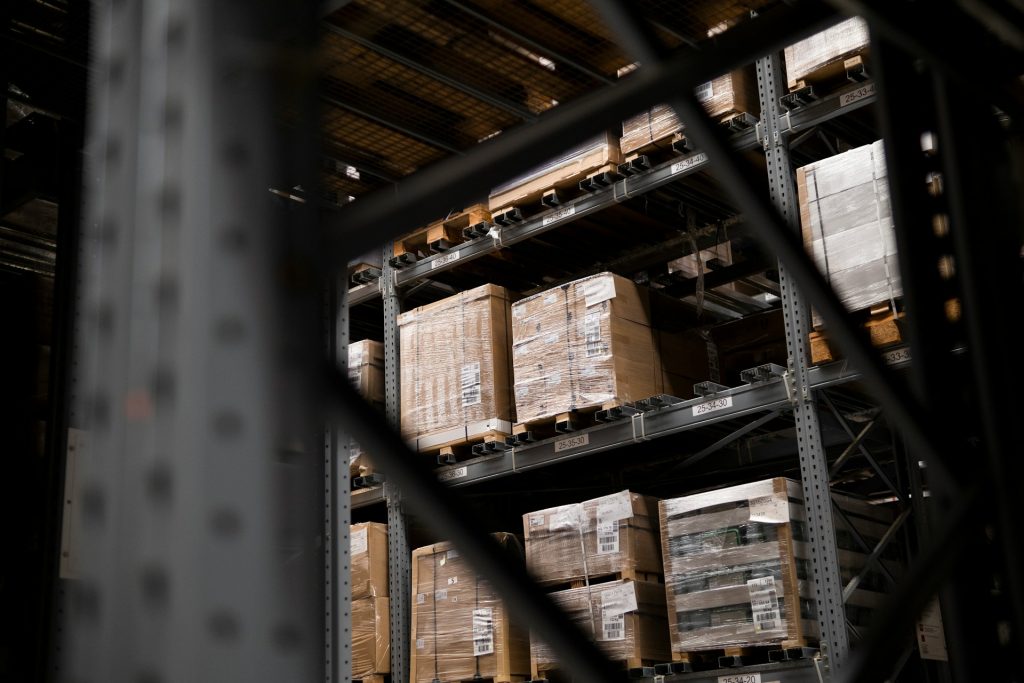
Space utilization is equally critical. Incorporating efficient pallet racking tailored to SKU velocity, pallet dimensions, and load ratings increases cubic density, shortens travel paths, and improves pick accuracy. Selecting the right rack type (selective, push-back, drive-in) and accessories like wire decking, row spacers, and column protectors supports 5S, reduces damage, and enhances safety for sustained productivity.
Each aspect of lean management contributes to maximizing productivity, reducing lead times, and lowering operational costs. Minimizing unnecessary movements and optimizing layouts can improve workflow and smooth operations. When building a culture of efficiency and continuous improvement, warehouses can better adapt to changing customer demands and market conditions.
Data Analytics for Decision Making
The role of data analytics is to collect and analyze data related to inventory turnover, order accuracy, and employee performance to identify trends and inefficiencies. Businesses can use this information to refine their strategies and processes. Predictive analytics helps warehouses anticipate demand fluctuations, enabling better inventory management. This foresight leads to optimal stocking levels and reduces overstocking and stockouts.
By investing in data tools that allow for real-time tracking and reporting, organizations can make informed decisions that impact efficiency. A data-driven approach will remain agile and responsive to market dynamics and stay ahead of the competition.

Managing a warehouse requires a combination of strategic foresight, technology integration, and employee engagement. By focusing on automation, WMS implementation, forklift tracking, employee training, and lean practices, businesses can revolutionize their warehouse operations. Systematic approaches improve productivity and contribute to customer satisfaction. An organization that continuously evaluates its processes and invests in its workforce positions itself for long-term success.

Founder Dinis Guarda
IntelligentHQ Your New Business Network.
IntelligentHQ is a Business network and an expert source for finance, capital markets and intelligence for thousands of global business professionals, startups, and companies.
We exist at the point of intersection between technology, social media, finance and innovation.
IntelligentHQ leverages innovation and scale of social digital technology, analytics, news, and distribution to create an unparalleled, full digital medium and social business networks spectrum.
IntelligentHQ is working hard, to become a trusted, and indispensable source of business news and analytics, within financial services and its associated supply chains and ecosystems