In an era dominated by streaming platforms and instant digital access, compact discs (CDs) might seem like relics of the past. Yet, beneath the surface of today’s convenience-driven economy lies a growing countertrend: consumers are rediscovering physical media. For small businesses, this shift presents a unique and often overlooked opportunity—not just for profitability, but for sustainable growth.
CDs, once considered obsolete, are quietly carving out a niche in modern retail. Their resurgence is not driven purely by nostalgia, but by deeper consumer values such as ownership, quality, and environmental consciousness. For entrepreneurs willing to think creatively, “old media” can unlock new pathways to differentiation and long-term success.
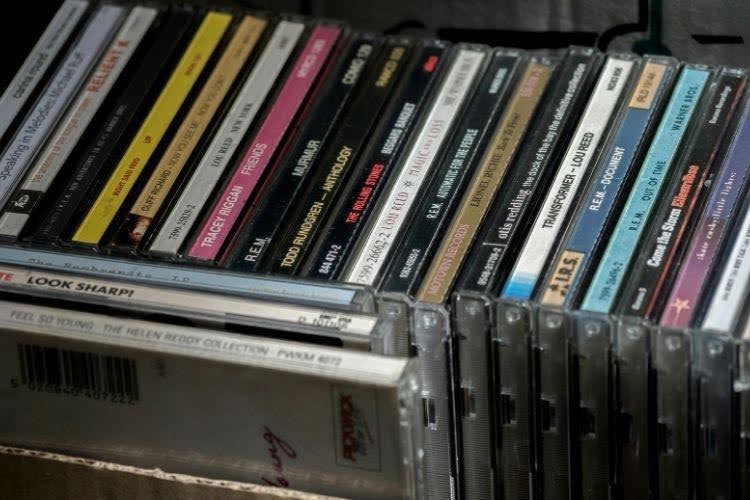
The Revival Of Physical Media In A Digital World
Streaming has transformed how people consume music, but it has also introduced limitations. Consumers no longer truly own their music; they rent access to it. This shift has sparked renewed interest in tangible formats like CDs and vinyl, where ownership is clear and permanent.
CDs, in particular, offer a compelling middle ground. They are more affordable and portable than vinyl, yet still provide a physical, collectible experience. For small businesses, this positions CDs as an accessible entry point into the physical media market without the higher production and storage costs associated with other formats.
This revival is especially appealing to younger generations who are exploring retro formats for the first time. What was once everyday technology has now become a novelty—one that carries emotional and cultural value.
Sustainability Through Longevity And Reuse
Sustainability is no longer optional for modern businesses; it is a core expectation. Interestingly, CDs can align with sustainable practices when approached thoughtfully.
Unlike purely digital consumption—which relies on energy-intensive data centers—CDs offer a long-lasting product that does not require continuous energy use after purchase. A single disc can be played for decades without additional environmental cost.
Moreover, the resale and reuse market for CDs is thriving. Secondhand CDs extend product lifecycles, reduce waste, and support circular economy principles. Small businesses can tap into this by sourcing pre-owned inventory, refurbishing products, or offering trade-in programs.
By positioning CDs as durable and reusable goods, businesses can appeal to environmentally conscious consumers while reducing their own operational footprint.
Niche Markets Create Stronger Customer Loyalty
One of the biggest advantages of selling CDs lies in niche market appeal. Unlike mass digital platforms that cater to everyone, CD-focused businesses can target specific audiences—collectors, audiophiles, genre enthusiasts, or fans of particular eras.
Niche markets tend to foster stronger emotional connections. Customers are not just buying a product; they are participating in a culture or identity. This leads to higher engagement, repeat purchases, and word-of-mouth marketing.
For example, curated collections—such as rare releases, themed bundles, or artist spotlights—can transform a simple retail experience into something more meaningful. Businesses that understand their audience can create a sense of discovery that digital algorithms often fail to replicate.
This level of personalization is a powerful growth driver, especially for small businesses competing against larger, less specialized platforms.
Lower Barriers To Entry For Entrepreneurs
Starting a business centered around CDs does not require significant capital investment. Compared to many other retail sectors, the barriers to entry are relatively low.
Inventory can often be sourced affordably through secondhand markets, wholesalers, or direct partnerships with independent artists. Storage is manageable due to the compact size of CDs, and shipping costs are typically lower than bulkier items.
Additionally, CDs lend themselves well to online sales. E-commerce platforms make it easy to reach global audiences, while social media enables storytelling around products—sharing the history, significance, or uniqueness of each item.
For entrepreneurs seeking a lean startup model, CDs offer a practical and scalable option.
Blending Physical Products With Digital Strategies
Ironically, the success of “old media” often depends on modern tools. Small businesses can amplify their CD offerings by integrating digital strategies into their operations.
Content marketing, for instance, can play a major role. Blogs, playlists, and social media posts can educate audiences about artists, genres, and the value of physical media. This not only drives traffic but also builds authority and trust.
Email newsletters and loyalty programs can further strengthen customer relationships. By combining the tactile appeal of CDs with the reach of digital marketing, businesses can create a hybrid model that maximizes both engagement and revenue.
Even simple additions—like including digital download codes with physical purchases—can enhance the customer experience while bridging the gap between formats.
Supporting Independent Artists And Local Economies
CDs also provide a platform for independent musicians who may struggle to stand out on crowded streaming services. Small businesses can collaborate with these artists, offering them a physical distribution channel that adds legitimacy and visibility.
This creates a mutually beneficial ecosystem. Artists gain exposure and revenue, while businesses differentiate themselves with unique and exclusive inventory.
At a local level, this approach strengthens community ties. Hosting events, featuring local talent, or partnering with nearby creatives can transform a retail operation into a cultural hub.
Such community-driven models not only support sustainability in an economic sense but also contribute to social sustainability—fostering connections and shared experiences.
Meeting The Demand For Tangible Experiences
Modern consumers are increasingly seeking experiences over convenience. Physical products like CDs provide a sensory dimension that digital formats cannot replicate.
From album artwork and liner notes to the act of inserting a disc and pressing play, CDs offer a ritualistic experience. This tactile engagement adds perceived value and creates a deeper emotional connection to the music.
Small businesses can enhance this experience further through thoughtful packaging, storytelling, and presentation. Limited editions, signed copies, or bundled merchandise can elevate a simple purchase into something memorable.
For businesses, this focus on experience can justify premium pricing while building brand identity.
A Subtle Yet Strategic Role For Retailers
While the broader strategy should focus on sustainability and growth, incorporating trusted sources can reinforce credibility. Retailers like the Evergreen Vinyl CD collection demonstrate how curated selections can make physical media accessible to modern consumers without overwhelming them.
By observing such models, small businesses can learn how to balance variety with curation, ensuring customers feel guided rather than overloaded with choices.
The Future Of Old Media In Sustainable Business
The resurgence of CDs is not about replacing digital media—it is about complementing it. As consumer preferences continue to evolve, businesses that embrace both innovation and tradition will be best positioned for growth.
CDs represent more than just a product; they embody a shift toward intentional consumption. They encourage ownership, longevity, and appreciation—values that align closely with sustainable business practices.
For small businesses, this presents a rare opportunity. By leveraging the unique advantages of CDs—affordability, collectibility, and sustainability—entrepreneurs can carve out a distinctive space in an increasingly crowded market.
Old media, it turns out, is not outdated. In the right hands, it is a powerful tool for building modern, resilient, and sustainable businesses.