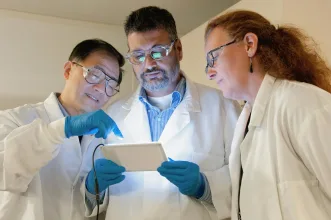
Have you ever wondered about the place that seems to be at the center of all the big science and tech news? That’s often the Massachusetts Institute of Technology, or MIT. It’s more than just a university; it’s a place where ideas get built and tested. People come from all over to see what’s happening there. This guide will take you on a little tour, showing you the campus, the life inside, and the areas around it, giving you a feel for what makes the institute of technology massachusetts so well-known.
Key Takeaways
- The Massachusetts Institute of Technology is a global leader in science and new ideas, with a focus on practical application.
- MIT’s campus features distinctive architecture and integrates art with scientific exploration.
- The MIT Museum offers an interactive look into the institute’s history and ongoing research.
- Student life at MIT is active and collaborative, fostering a strong community spirit.
- The areas surrounding MIT, like Kendall Square, are hubs for technology companies and startups, reflecting the institute’s wider impact.
A Global Hub For Science And Innovation
The "Mind and Hand" Philosophy in Practice
MIT’s approach to learning and discovery is famously built on the principle of "mind and hand." This isn’t just a catchy phrase; it’s a guiding philosophy that shapes everything from classroom projects to large-scale research. It means that theoretical knowledge gained through study is immediately put into practice through hands-on work. Students aren’t just learning about engineering; they’re building robots. They aren’t just studying biology; they’re conducting experiments. This constant cycle of thinking and doing is what sparks real innovation.
This philosophy is evident everywhere:
- Project-Based Learning: Many courses require students to complete tangible projects, often in teams, that solve real-world problems.
- Independent Research: Undergraduates have numerous opportunities to work alongside faculty on cutting-edge research, contributing directly to scientific advancement.
- Maker Spaces and Labs: The campus is equipped with extensive facilities where students can design, build, and test their ideas, turning concepts into physical realities.
The "mind and hand" approach encourages a deep connection between theoretical understanding and practical application, fostering a unique environment where learning is active and discovery is constant.
Driving Ideas from Concept to Reality
MIT is renowned for its ability to take groundbreaking ideas and transform them into tangible innovations that impact the world. This process isn’t accidental; it’s supported by a robust ecosystem designed to help students, faculty, and alumni bring their visions to life. From initial concept development to market launch, the institute provides the resources, mentorship, and collaborative environment needed to succeed.
Here’s a look at how ideas move forward:
- Ideation and Incubation: Spaces like MIT InnovationHQ (iHQ) serve as central points for innovators to connect, share ideas, and begin developing their concepts.
- Development and Prototyping: Access to advanced labs, maker spaces, and technical expertise allows for the rapid prototyping and testing of new technologies.
- Entrepreneurial Support: Centers like the Martin Trust Center for MIT Entrepreneurship offer guidance on business planning, market analysis, and startup formation.
- Funding and Investment: Programs such as the Sandbox Innovation Fund provide crucial early-stage funding, while connections to venture capital help scale successful ventures.
This structured yet flexible pathway ensures that promising ideas don’t get lost but are instead nurtured and developed into solutions that can address global challenges.
A Legacy of World-Changing Advancements
The history of MIT is a chronicle of innovation that has reshaped industries and improved lives globally. The discoveries and inventions that have emerged from its labs and classrooms are numerous and far-reaching, touching nearly every aspect of modern life. This legacy is not just a matter of historical record; it continues to inspire current and future generations of thinkers and doers.
Some areas where MIT has made a significant mark include:
- Computer Science and Artificial Intelligence: Pioneering work in computing, the internet, and AI has laid the foundation for the digital age.
- Biotechnology and Medicine: Breakthroughs in areas like gene editing, medical imaging, and drug discovery are transforming healthcare.
- Materials Science: Development of new materials with unique properties has led to advancements in everything from aerospace to consumer electronics.
- Energy and Sustainability: Innovations in renewable energy, battery technology, and environmental solutions are critical for addressing climate change.
These advancements are a testament to MIT’s enduring commitment to pushing the boundaries of knowledge and applying scientific discovery for the betterment of humanity.
Exploring The Institute’s Unique Campus
Architectural Marvels and Campus Landmarks
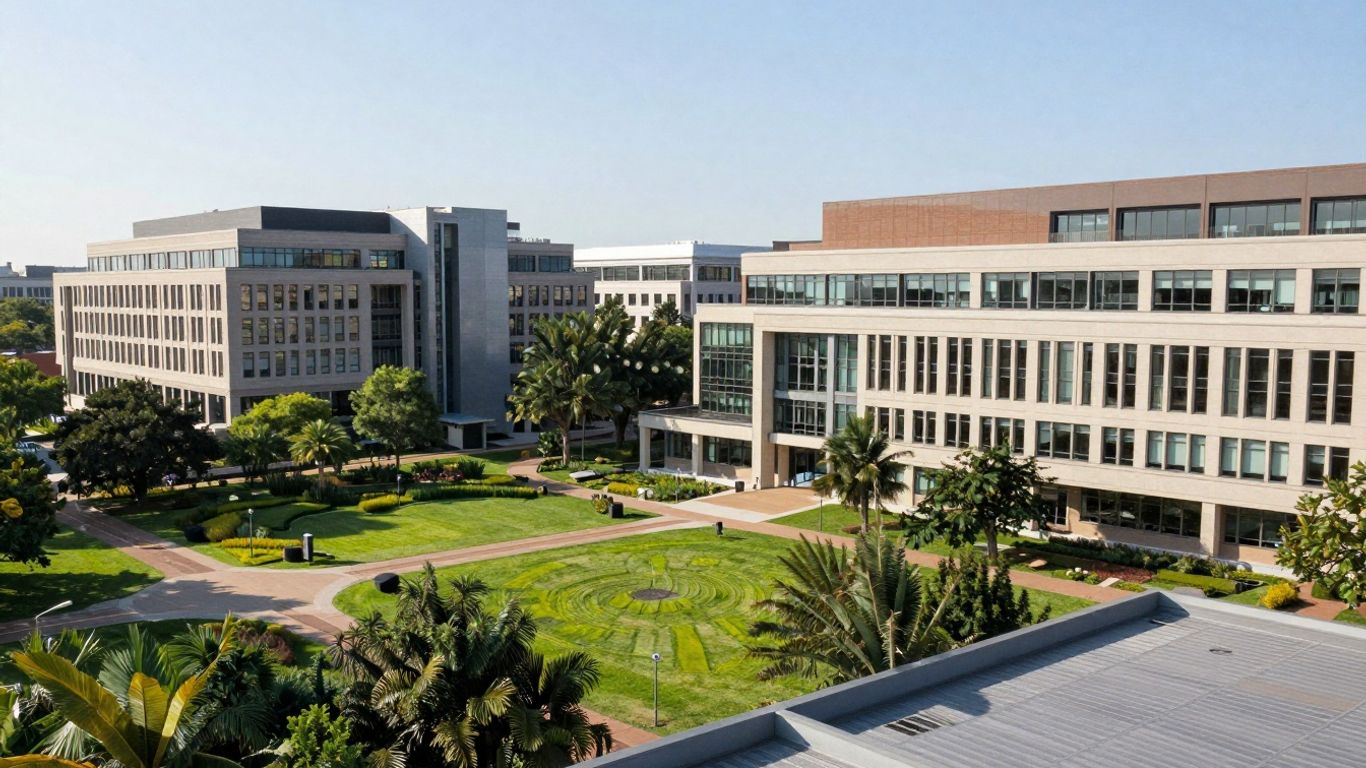
Walking through the Massachusetts Institute of Technology (MIT) campus is like stepping into a living blueprint of innovation. The architecture here isn’t just functional; it’s a statement, a blend of historical gravitas and forward-thinking design. You’ll find structures that are instantly recognizable, like the iconic Great Dome, which crowns the main building and houses a vast collection of books. It overlooks Killian Court, a beautiful green space that serves as the backdrop for commencement ceremonies, a place where tradition meets the future.
Then there’s the Stata Center, a building that defies conventional design. With its unusual angles and vibrant appearance, it’s a prime example of how MIT embraces the unconventional. Designed by Frank Gehry, it’s a space where academic departments and research labs hum with activity, and it’s also known for the elaborate student pranks, or ‘hacks,’ that add a touch of playful spirit to the serious academic environment.
Art and Science Intertwined
The campus is also a canvas for creativity, with public art installations scattered throughout. These pieces often bridge the gap between art, science, and technology, making a simple walk across campus an engaging experience. You might encounter sculptures by renowned artists like Alexander Calder, or discover works created by MIT’s own community. These artistic elements are not just decorative; they reflect the interdisciplinary thinking that is central to MIT’s mission.
The integration of art across the campus serves as a constant reminder that creativity and scientific inquiry are not separate pursuits, but rather complementary forces that drive discovery and understanding.
The Charles River: A Scenic and Recreational Space
Beyond the buildings and art, the campus is bordered by the Charles River, offering a beautiful natural setting. This scenic waterfront provides a space for relaxation and recreation, a place where students and faculty can step away from their studies and enjoy the surroundings. It adds another dimension to the campus experience, blending the intensity of academic life with the tranquility of the natural environment.
Here’s a look at some key campus features:
- The Great Dome: An iconic symbol, housing the Institute’s library.
- Killian Court: The ceremonial heart of campus, especially during graduation.
- Stata Center: A striking example of modern, unconventional architecture.
- Public Art: Numerous installations that connect art with science and technology.
- Charles River Esplanade: A scenic area for recreation and reflection.
The Vibrant Life Within The Institute
Beyond Labs and Lectures: Student Activities
The life at MIT extends far beyond the demanding academic schedule. Students here engage in a wide array of activities that shape their experience and build lasting connections. These pursuits often reflect the "Mind and Hand" philosophy, blending intellectual curiosity with practical application.
- Student Clubs and Organizations: With hundreds of groups, there’s a place for nearly every interest, from the Sloan Golf Club to the Robotics Club. These organizations provide opportunities for skill development, networking, and simply enjoying shared hobbies.
- Arts and Culture: MIT boasts a rich cultural scene, with student-run theater groups, musical ensembles, and art initiatives. The List Visual Arts Center and various campus galleries offer exposure to contemporary art.
- Athletics and Recreation: From NCAA Division III sports teams to intramural leagues and fitness classes, students have ample opportunities to stay active and healthy.
- Community Service: Many students participate in volunteer work and outreach programs, applying their skills to benefit the wider community.
The sheer diversity of student-led initiatives highlights a culture that values well-rounded development alongside academic rigor. It’s a space where students can explore passions, develop leadership skills, and find a sense of belonging.
Collaboration and Community Spirit
MIT cultivates a strong sense of community and collaboration, which is vital for navigating its challenging environment. This spirit is evident in how students approach both their studies and their extracurricular endeavors.
- Study Groups: The demanding coursework often leads students to form study groups, where they share notes, explain complex concepts to one another, and prepare for exams collectively.
- Project Teams: Many academic and extracurricular projects, such as those in the competitive robotics or AI fields, are team-based, requiring students to work together, share responsibilities, and combine their unique talents.
- Mentorship: Both formal and informal mentorship relationships are common, with upperclassmen often guiding underclassmen through the intricacies of MIT life and academics.
This emphasis on working together helps students overcome obstacles and fosters a supportive atmosphere. It’s a place where sharing knowledge and helping peers succeed is not just encouraged, but is a fundamental part of the culture.
The Energy of a Thriving Academic Environment
The atmosphere on campus is palpable, charged with the energy of discovery and a shared drive to make an impact. This environment is a key component of the MIT experience, influencing both learning and innovation.
- Intellectual Curiosity: A pervasive sense of curiosity fuels constant questioning and exploration, making learning a dynamic, ongoing process.
- Passion for Problem-Solving: Students and faculty are united by a deep-seated desire to tackle complex problems and find innovative solutions.
- Interdisciplinary Exchange: The proximity of diverse departments and research labs encourages cross-pollination of ideas, leading to novel approaches and breakthroughs.
This collective drive creates a unique academic setting where the pursuit of knowledge is viewed as a shared adventure, pushing the boundaries of what is known and inspiring continuous progress.
The Innovation Ecosystem Beyond Campus
Kendall Square: A Hub of Technology and Startups
Just a short distance from the Institute’s campus lies Kendall Square, a place often called "the most innovative square mile on the planet." It’s a dynamic area where groundbreaking research meets the business world. You can feel the energy as you walk around, with many companies focused on fields like biotechnology, software, and advanced materials. It’s a prime example of how ideas born in labs can grow into businesses that shape our future. The concentration of startups and established tech firms here creates a unique environment for collaboration and growth.
Cultural Institutions in Cambridge and Boston
Beyond the immediate tech scene, the surrounding cities of Cambridge and Boston offer a rich cultural backdrop. These areas are home to numerous museums, historical sites, and performance venues. This blend of scientific pursuit and cultural exploration provides a well-rounded experience for those connected to the Institute. It’s a reminder that innovation doesn’t happen in a vacuum; it thrives within a broader societal and cultural context.
The Institute’s Role in the Regional Ecosystem
The Institute plays a significant role in the wider innovation landscape of the region. It’s not just about the discoveries made on campus; it’s about how those discoveries connect with the community and contribute to economic development. This connection is facilitated through various programs and partnerships that encourage the transfer of knowledge and technology.
- Cross-pollination of ideas: The Institute actively encourages interaction between its researchers and the broader business community.
- Startup creation: Many companies have been founded by students, faculty, and alumni, contributing to the region’s economic vitality.
- Knowledge sharing: Through initiatives like the Technology Licensing Office, the Institute helps bring new technologies to the market.
The relationship between the Institute and its surrounding environment is symbiotic. The region provides a fertile ground for new ventures, while the Institute continuously injects fresh ideas and talent into the ecosystem.
Showcasing Ingenuity At The MIT Museum
The Heart of Innovation: What Makes the MIT Museum Unique?
The MIT Museum acts as a public gateway to the inventive spirit of the Massachusetts Institute of Technology. It’s more than just a place to see old inventions; it’s a dynamic space that really shows off the creativity and problem-solving that MIT is known for. Located in Kendall Square, it’s a spot where past discoveries, current research, and future ideas all meet. This museum offers a unique look into how science, technology, and even art come together to create something new. It’s designed to be engaging for everyone, making complex ideas accessible and inspiring.
Interactive Exhibits and Historical Artifacts
What makes the MIT Museum stand out is its focus on hands-on experiences. Instead of just looking at displays, visitors are encouraged to interact with them. This approach reflects MIT’s "Mind and Hand" philosophy, where learning by doing is key. You can explore:
- Robotics: Get up close with different kinds of robots, see how they work, and maybe even watch them in action.
- Artificial Intelligence: Understand how AI is shaping our world, from everyday tools to advanced systems.
- Emerging Technologies: Discover new materials, sustainable solutions, and advancements in biotechnology that are currently being developed in MIT labs.
Beyond these interactive elements, the museum also houses historical artifacts that tell the story of innovation. You can trace the development of ideas from early concepts to their modern applications, seeing how foundational research continues to influence today’s breakthroughs.
The museum doesn’t just show the final product; it highlights the entire process of invention. This includes the experimentation, the challenges, and the iterative steps that lead to a successful outcome. It’s a place that celebrates not only the successes but also the learning that comes from trying new things, even when they don’t work out as planned.
A Window into Pioneering Research
The MIT Museum provides a clear view into the cutting-edge research happening at MIT. Exhibits often change to reflect the latest discoveries, giving visitors a glimpse into what might become the technology of tomorrow. This includes areas like:
- Materials Science: Learning about new materials with special properties.
- Sustainable Solutions: Seeing MIT’s work on renewable energy and environmental challenges.
- Bioengineering: Understanding how engineering principles are applied to biological systems.
These displays show tangible projects that researchers are actively working on. It’s a way to connect the public with the practical side of scientific advancement and to see how theoretical ideas are turned into real-world applications. The museum effectively bridges the gap between complex research and public understanding, making innovation feel more approachable and exciting.
Resources For Aspiring Innovators
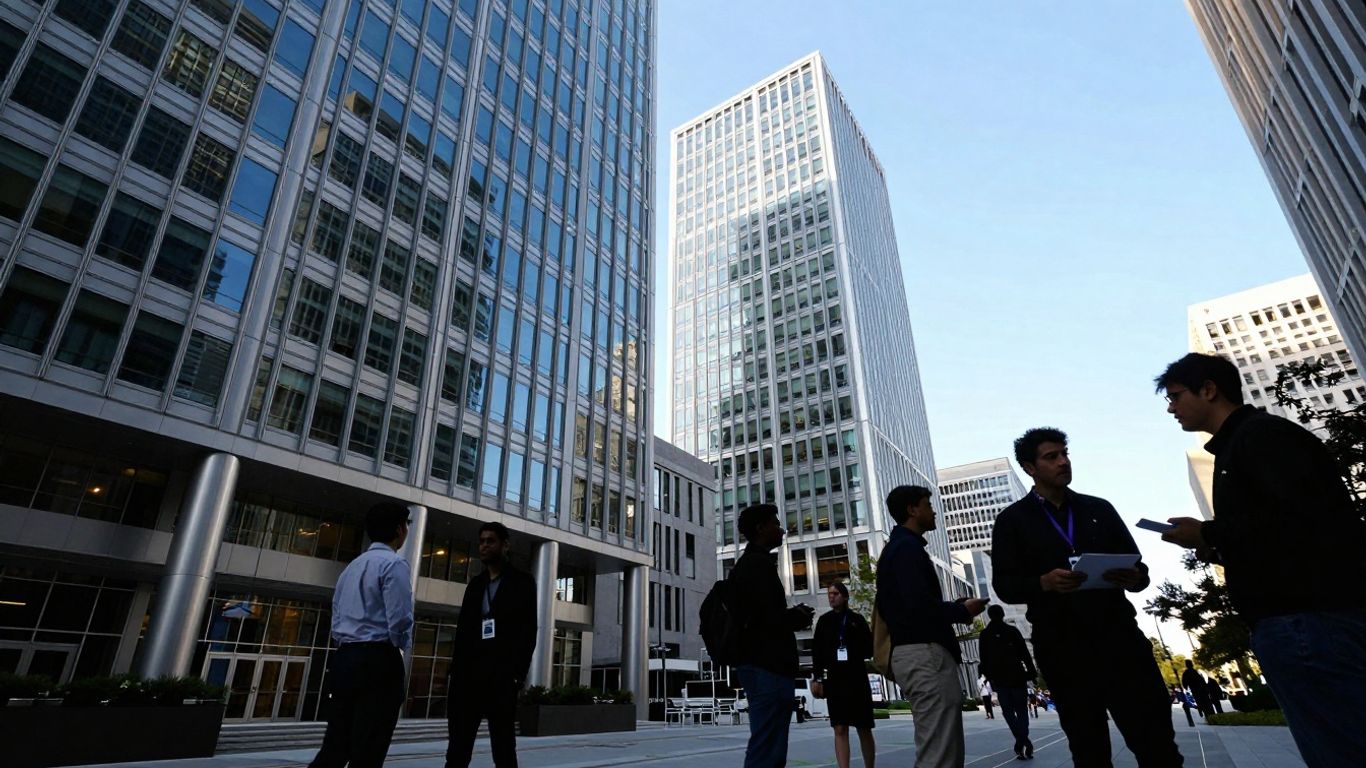
MIT is a place where ideas don’t just stay in textbooks; they’re actively brought to life. For anyone looking to turn a concept into a tangible project or even a new company, the Institute offers a robust network of support. It’s designed to help students, faculty, and researchers move from the initial spark of an idea all the way to making a real-world impact.
MIT InnovationHQ: A Central Meeting Point
Think of MIT InnovationHQ (iHQ) as the central hub for all things innovative on campus. It’s a space where people from different backgrounds – students, professors, staff, and even folks from the wider Boston tech scene – can come together. The goal here is to encourage the sharing of ideas and spark new collaborations. It’s a place to connect, brainstorm, and get inspired by the energy of others who are passionate about creating.
Entrepreneurship Centers and Support
MIT has several dedicated centers focused on helping entrepreneurs get off the ground. These places provide more than just advice; they offer practical tools and guidance.
- Martin Trust Center for MIT Entrepreneurship: This center is a go-to spot for anyone serious about starting a business. They offer mentorship, workshops, and resources to help you develop your business plan and strategy.
- Deshpande Center for Technological Innovation: Focused on turning research into market-ready technologies, this center supports projects with high potential for commercial impact.
- D-Lab: This initiative works on practical challenges, often in developing communities, and provides resources for students to design, build, and test solutions.
The journey from a novel idea to a successful venture is rarely straightforward. It often involves many attempts, learning from what doesn’t work, and adapting along the way. MIT’s approach recognizes this, providing a supportive environment where experimentation and iteration are encouraged.
Funding and Mentorship for New Ventures
Getting an idea off the ground often requires both financial backing and experienced guidance. MIT provides several avenues for this:
- MIT Sandbox Innovation Fund Program: This program offers seed funding, typically between $1,000 and $25,000, to help students explore their ideas and move them from concept to initial impact. It’s a great way to get early-stage support.
- Venture Mentoring Service (VMS): VMS connects aspiring entrepreneurs with a team of experienced mentors who have founded and grown their own companies. These mentors offer honest advice and practical insights based on their own experiences.
- Technology Licensing Office (TLO): For those whose innovations stem from MIT research, the TLO helps in the process of patenting and licensing technologies, which can be a critical step in commercialization.
A Lasting Impression of Innovation
So, that’s a look at the Massachusetts Institute of Technology. It’s more than just a school; it’s a place where ideas really come to life, from the buildings themselves to the work happening inside. Whether you’re interested in the latest tech, the history of invention, or just seeing what the future might look like, MIT offers a lot to explore. It’s a spot that definitely leaves you thinking about what’s possible. If you’re ever in the Cambridge area, it’s worth checking out to see this hub of creativity firsthand.
Frequently Asked Questions
What is MIT famous for?
MIT is known worldwide as a top place for learning about science, technology, and building new things. It’s where brilliant ideas are born and amazing discoveries are made, making it a leader in creating new inventions.
What are the most interesting places to see on the MIT campus?
You should definitely check out the Great Dome, a really famous building. The Stata Center is also super cool because it looks very modern and different. As you walk around, you’ll also find interesting art pieces everywhere.
Is the MIT Museum worth visiting?
Yes, the MIT Museum is highly recommended! It shows off incredible inventions and research from MIT in a fun and interactive way. You can see cool exhibits that tell the story of innovation.
What does ‘Mind and Hand’ mean at MIT?
The ‘Mind and Hand’ idea means that MIT believes in learning both by thinking (mind) and by doing (hand). So, students learn important ideas and then use them to build and create things in the real world.
What is Kendall Square like?
Kendall Square is a neighborhood right next to MIT that’s full of technology companies and new businesses. It’s often called one of the most innovative places on Earth because so many new ideas and tech companies start there.
How does MIT help students with their ideas?
MIT has many centers and programs, like the Martin Trust Center and the Sandbox Innovation Fund, that help students turn their ideas into real projects or businesses. They offer advice, support, and sometimes even money to get started.