As blind boxes, designer toys and limited-edition collectibles continue to grow in popularity, the way younger collectors participate in the market is evolving.
In the past, collecting was largely about buying and owning. Today, however, an increasing number of consumers are not only purchasing collectibles, but also selling duplicate items, searching for products that have sold out, and trading pieces to acquire the items they truly want.
Buy, Sell and Trade are becoming key trends shaping the next generation of the collectibles market.
More Choices, Yet Information Remains Fragmented
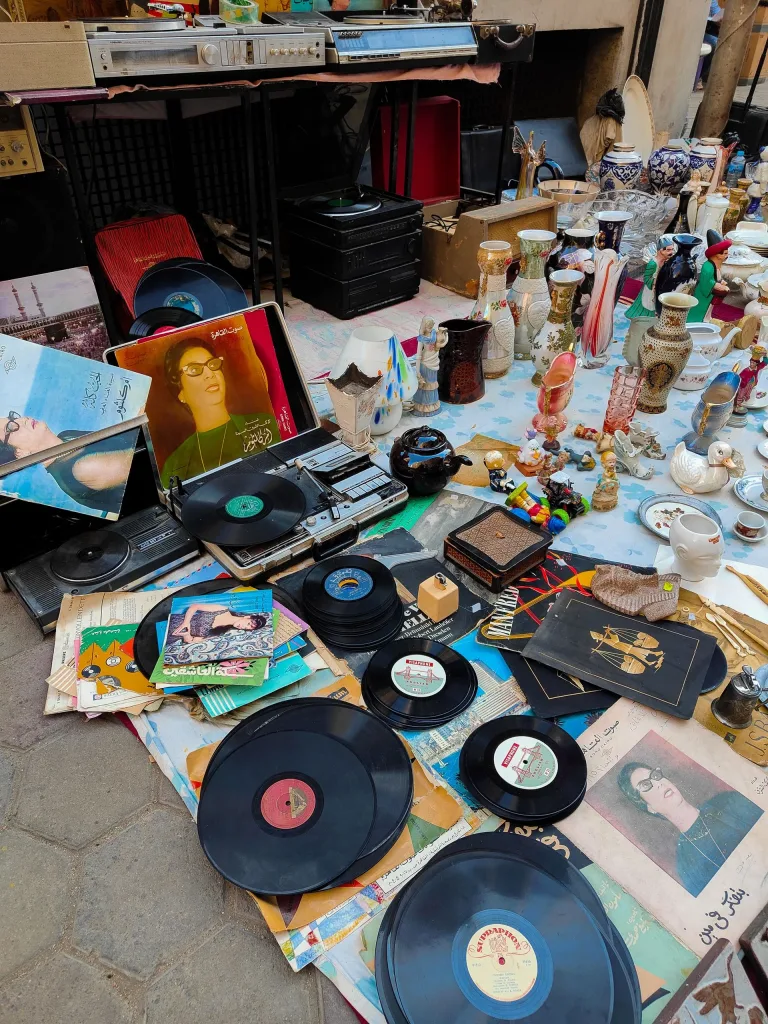
The second-hand market has created more opportunities for collectors.
Products missed at launch can be found through other sellers. Duplicate items can be sold. Collectibles that no longer fit a person’s collection can potentially be traded for something else.
However, as the number of market options increases, new challenges have emerged.
Many products and sellers remain scattered across different communities, social media platforms and individual accounts. Buyers often need to spend significant time searching for specific items, comparing different listings and prices, and determining which option best suits their needs.
Sellers face similar challenges.
Beyond finding potential buyers, they must also answer an important question: How should their items be priced?
In a collectibles market where prices can change over time, a single listing price does not always provide sufficient market context. Collectors increasingly want to know whether similar items are available elsewhere and what approximate price range currently exists in the market.
Young Collectors Need More Than Just a Transaction Channel — This Is One of the Challenges SWAPBOXO Aims to Address
As a second-hand marketplace focused on collectibles, SWAPBOXO is building its platform around the concept of BUY. SELL. TRADE., with the aim of making it easier for products, buyers and sellers to connect.
Users can search for and purchase the items they want, sell collectibles they no longer need, or explore opportunities to trade.
At the same time, when more comparable items and different price points are available in the market, both buyers and sellers can gain a clearer reference to the broader market price range.
Building on this, SWAPBOXO is further introducing an AI-powered intelligent price-matching mechanism designed to improve matching efficiency in second-hand collectibles transactions.
Buyers can submit target prices based on their budgets, while sellers can set their expected prices according to market conditions and their own selling expectations. When the price conditions set by both sides align for the same item, the system can quickly identify a potential match and facilitate the next stage of the transaction process.
This approach is designed to reduce the repeated inquiries, negotiations and waiting for responses often associated with traditional second-hand transactions, allowing previously fragmented buying and selling demand to connect more efficiently based on clearly defined price conditions.
For buyers, this means they can set a clear budget and wait for suitable market offers to emerge. For sellers, it provides a more efficient way to identify potential buyers whose willingness to pay aligns with their expected selling price.
When a buyer’s offer meets a seller’s asking price, a transaction has the potential to move forward more quickly.
Through AI-powered intelligent price matching, SWAPBOXO aims to help second-hand collectibles trading evolve from a process of continuous searching and repeated negotiation toward a more efficient model of price matching and faster transactions.
Collecting Is Becoming More Fluid
Today’s younger collectors are no longer simply buying more.
They are continuously refining their collections.
They keep the pieces they truly value, sell duplicates, trade items they no longer need, and continue searching for the next collectible they want.
As a result, collecting is no longer simply a one-time act of consumption. It has become an ongoing process of discovery, selection and circulation.
As the second-hand collectibles market continues to develop, the role of a marketplace is no longer limited to facilitating individual transactions.
More importantly, it is about making previously fragmented products, prices and market demand easier to connect, while providing clearer processes and greater transaction assurance.
In second-hand collectibles transactions, whether product information accurately reflects an item’s actual condition is also a major concern for both buyers and sellers. For this reason, SWAPBOXO also incorporates a platform inspection mechanism to conduct relevant checks on items entering the platform’s transaction process, providing additional safeguards for both parties.
From market price references and AI-powered intelligent price matching to platform inspection mechanisms, SWAPBOXO aims to address more than simply the question of how to find a particular item.
Its broader goal is to provide collectors with a safer, more efficient and more transparent transaction experience throughout the process of buying, selling and trading.
SWAPBOXO believes that collecting should not end with simply owning something.
Sometimes, the next collectible that truly belongs in your collection may come from a new opportunity to:
BUY. SELL. TRADE.
To learn more about SWAPBOXO and explore the platform, visit: