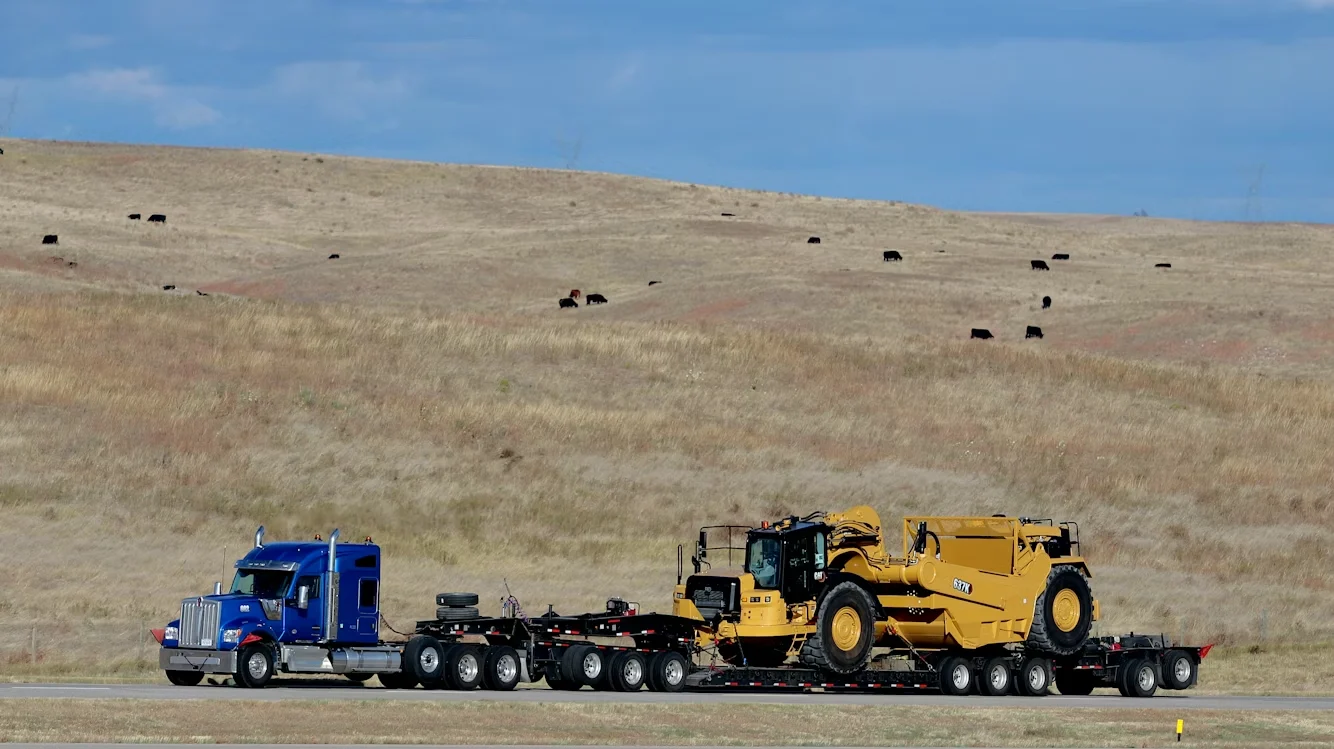
Specialized freight requires more than a standard load board search and a rate confirmation. Oversized loads, temperature-sensitive cargo, hazardous materials, and heavy haul shipments each involve distinct regulatory requirements and coordination layers that general dispatch workflows are not designed to handle. This article explains how professional https://fleet.care/services/dispatch-services/ dispatch services adapt to the demands of specialized freight and the kind of support they provide for carriers operating beyond standard dry van lanes.
Permit Coordination for Oversize and Overweight Loads
Transporting freight that exceeds federal or state size and weight limits requires permits issued by each state through which the load travels. A multi-state oversize move may require permits from several jurisdictions, each with its own application process and travel restrictions.
Dispatchers managing oversize operations handle permit acquisition as a core responsibility, including identifying the correct permit type, submitting applications within required lead times, and confirming route restrictions such as bridge weight limits, height clearances, and time-of-travel rules. Escort vehicle requirements add another layer of coordination, as many states mandate pilot cars for loads exceeding specific width or height thresholds.
Temperature-Controlled Freight and Reefer Operations
Refrigerated freight introduces monitoring requirements that go beyond standard routing concerns. Carriers transporting food, pharmaceuticals, or other temperature-sensitive goods must maintain documented proof of temperature compliance throughout transit, as required under the FDA Food Safety Modernization Act (FSMA).
Dispatch support for reefer operations typically includes:
- confirming pre-trip reefer unit inspections before load acceptance
- monitoring temperature logs during transit and identifying deviations
- coordinating with receivers to align arrival windows and reduce door-open time
- managing breakdown contingencies, including sourcing alternative refrigerated equipment if needed
In reefer operations, temperature documentation is treated as a compliance requirement, as even minor gaps in records can lead to load rejection regardless of product condition.
Hazmat Freight Dispatch and Regulatory Compliance
Transporting hazardous materials requires a CDL with a hazmat endorsement, as well as carrier registration with the Pipeline and Hazardous Materials Safety Administration (PHMSA). Dispatchers working with hazmat freight verify compliance at the load assignment stage:
- Confirm the driver holds a valid hazmat endorsement and TSA security clearance
- Verify that the carrier’s PHMSA registration is current
- Review shipping documents for the correct UN identification number, hazard class, and packing group
- Ensure appropriate placards are available and applied before departure
- Identify route restrictions such as tunnels, bridges, and urban zones based on the specific hazard class
Errors in hazmat dispatch can result in regulatory penalties for both the driver and the carrier, making thorough pre-load verification essential.

Heavy Haul Operations and Route Survey Requirements
Heavy haul freight, typically defined as loads exceeding 80,000 pounds gross vehicle weight, requires route analysis beyond standard GPS navigation. Bridge ratings, pavement limits, and infrastructure constraints must be evaluated before transport begins.
Freight Type, Key Compliance Area, Dispatch Role
Oversize / Overweight — State permits, escort requirements — Permit acquisition, escort coordination
Temperature-Controlled — FSMA documentation, reefer monitoring — Temperature logging, contingency planning
Hazardous Materials — CDL endorsement, PHMSA registration — Compliance verification, route review
Heavy Haul — Bridge ratings, pavement limits, route surveys — Survey coordination, permit sequencing
Specialized freight operations benefit from dispatch support designed to manage complexity. Structured dispatch processes help translate regulatory requirements and coordination demands into consistent, compliant workflows.