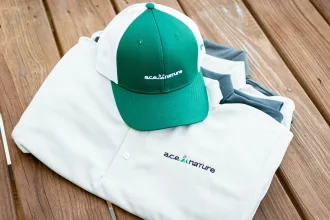
At a busy exhibition, visitors often have only a few seconds to work out who is representing which business. A company shirt or jacket makes that easier. The same thing happens in a shop, at a community event or during a visit to a client’s office. People can identify staff without having to ask.
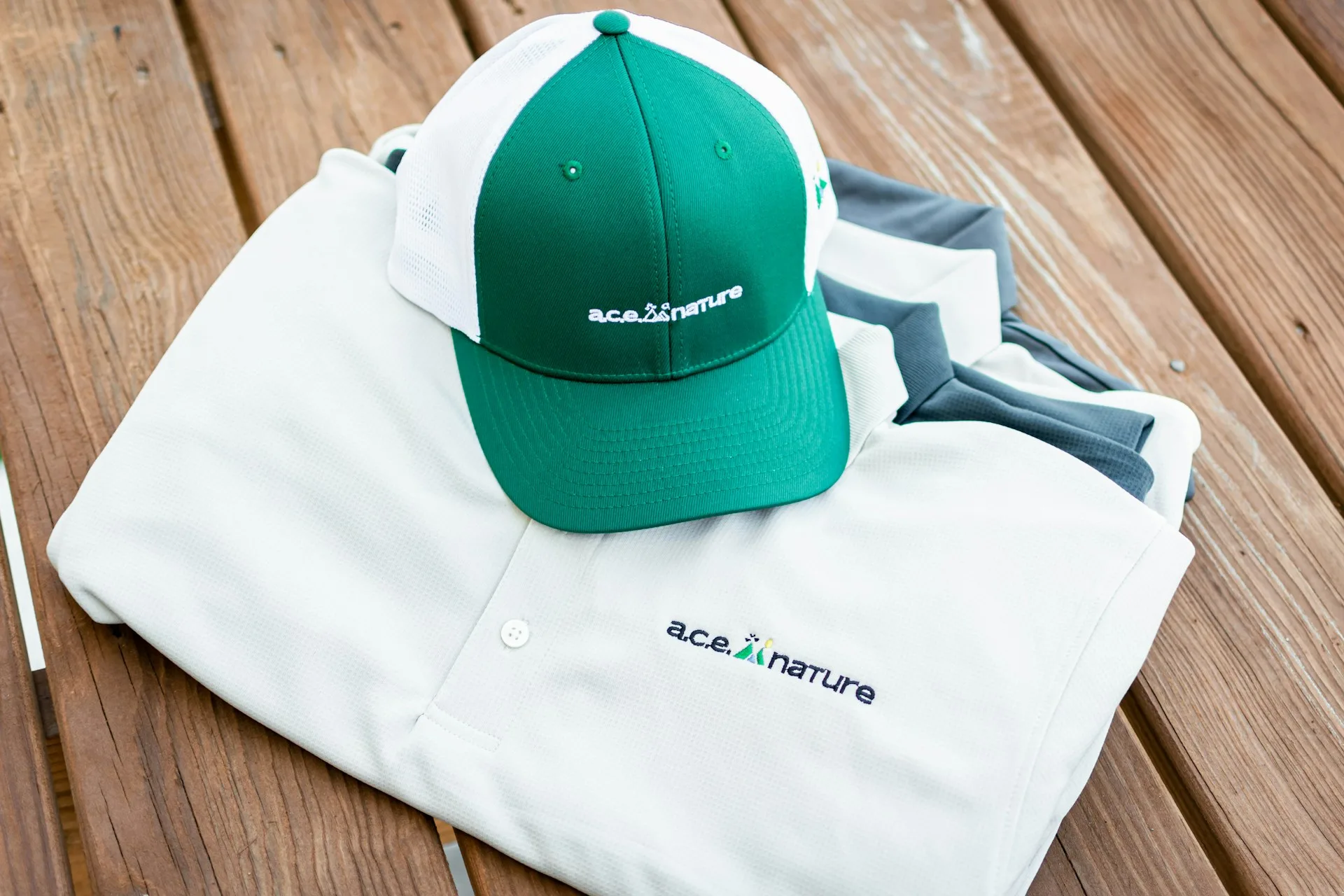
There is a broader reason businesses use promotional apparel, too. Clothing can give employees a shared identity and help them feel connected to the organisation they work for. When staff are comfortable wearing it, they can represent the business in a way that feels natural rather than forced.
Feeling Part of the Team
Starting a new job can be awkward. Everyone else seems to know the routines, the people and the little things that make a workplace tick. Receiving the same team shirt or jacket as other employees won’t remove that uncertainty, but it can help a new starter feel included.
The same applies during staff events, training days and company gatherings. A shared item gives people something in common, even when they work in different departments or rarely meet face to face.
Of course, team identity comes from more than clothing. Managers still need to create a workplace where people feel respected and supported. Branded apparel can be a small reminder of that shared connection, provided the wider workplace culture backs it up.
The Person Wearing the Logo Matters
Customers don’t judge a business by its logo alone. They also notice whether staff listen, answer questions clearly and treat people with respect.
Building customer loyalty often starts with simple interactions. At a trade show, an employee who listens carefully and answers questions clearly can leave visitors with a positive impression of the business.
That is why businesses should see apparel as one part of employee representation, not a substitute for training or good service. Staff need to understand the products, services and values they represent. They should also know where to direct a question when they don’t have the answer. A uniform makes the connection visible. Employees’ actions give it meaning.
Clothing Has to Work for the People Wearing It
An outfit may look smart in a catalogue and prove uncomfortable after a few hours on the job. Staff working outdoors might struggle with heavy fabric in warm weather. Someone who spends a shift lifting boxes or moving between workstations needs clothing that allows easy movement.
These details deserve attention before a business places an order. Ask employees what they need for their roles, check the available sizing and consider the conditions in which the garments will be worn.
There may not be one option that suits every department. Office staff, warehouse teams and customer-facing employees can have different requirements. A consistent brand appearance can still work across several garment styles, as long as the overall presentation remains clear.
Helping Customers Recognise Staff
In some workplaces, branded clothing serves a straightforward purpose: it helps customers find the right person.
A visitor entering a large showroom may not know which employees can answer questions. In a retail setting, a recognisable shirt can make it easier to approach a staff member. The aim isn’t to put a logo on every garment an employee owns. It is to make staff identifiable when that helps them do their jobs.
Ask Staff Before Making It Standard
One common mistake is choosing workplace clothing without asking the people expected to wear it. A design might look good to management but feel too formal, fit poorly or fail to suit the working environment.
A short trial can help identify problems before a full order is placed. Staff can comment on the fit, fabric and comfort during a normal workday. Their feedback gives managers a clearer idea of what needs changing.
Not every suggestion will be possible to adopt, particularly where a consistent dress standard is necessary. Still, explaining the reasons behind the decision and giving staff a chance to comment can make the change easier to accept.
More Than a Matching Outfit
Promotional apparel can support a workplace when it serves a clear purpose. It can help new employees feel included, make teams easier to recognise and give staff a shared visual identity.
The clothing itself won’t turn someone into a brand ambassador. Everyday interactions matter, from helping a customer to working well with colleagues. Employees who feel comfortable in their roles can represent the organisation with confidence. Branded apparel supports that connection without taking centre stage.