The Georgia Institute of Technology, often called Georgia Tech, consistently shows up in university rankings, and for good reason. It’s a big name, especially when it comes to tech and engineering. People want to know how it stacks up against other schools, what makes its programs special, and what it takes to get in. This article breaks down the Georgia Institute of Technology ranking and what you should know about its standing.
Key Takeaways
- Georgia Tech holds strong national rankings, often placing in the top tier of universities and particularly excelling as a public institution.
- Its engineering and computer science programs are consistently recognized as world-class, attracting students and researchers globally.
- The Scheller College of Business is also highly regarded, with its undergraduate and graduate programs noted for integrating technology and management.
- The institute’s global reputation is solid, reflected in major international rankings that assess its research, teaching, and industry impact.
- Innovation, research, and strong industry partnerships are central to Georgia Tech’s identity and contribute significantly to its high rankings.
Understanding Georgia Tech’s National Ranking
Georgia Tech’s Position Among Top Universities
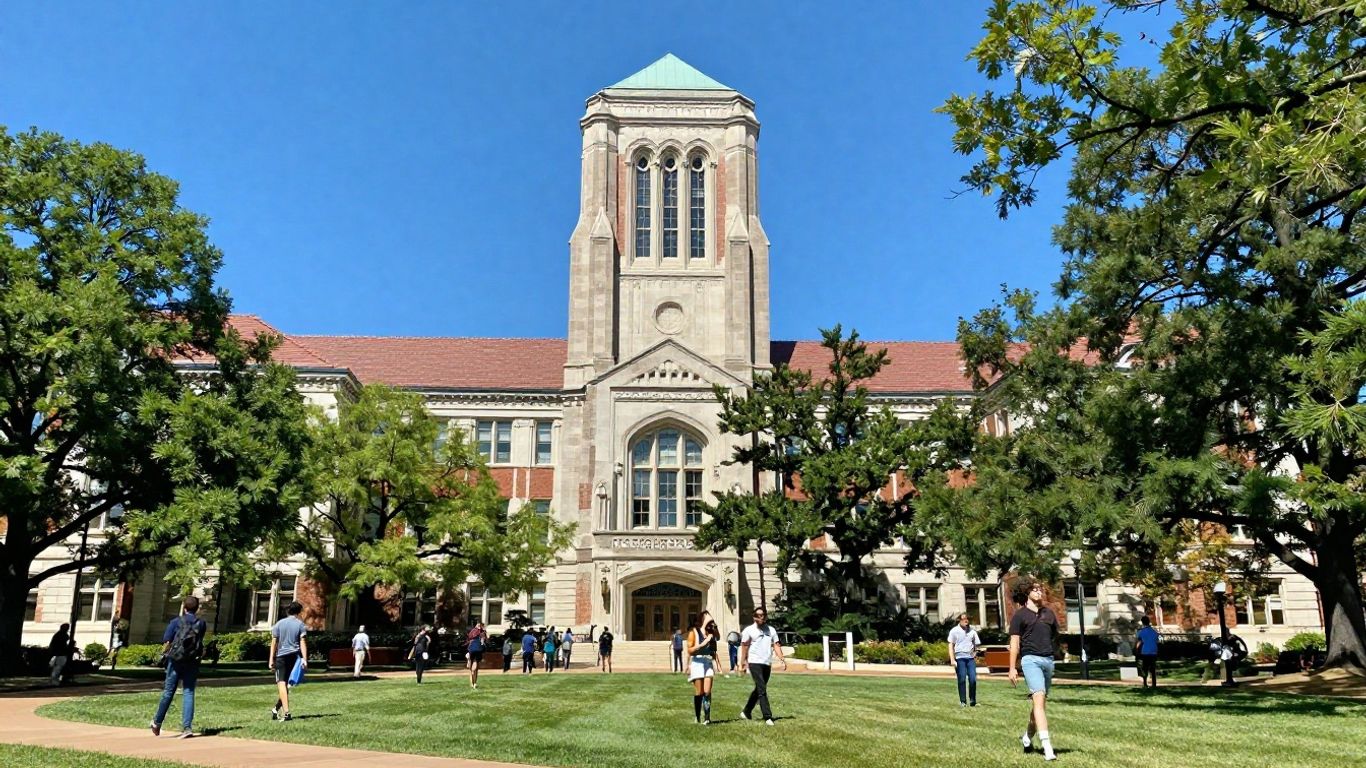
Georgia Tech consistently holds a strong position in national university rankings, reflecting its commitment to academic rigor and research. In recent assessments, the institute has been recognized among the top universities in the United States. This consistent high placement underscores its reputation as a leading institution for higher education.
Here’s a snapshot of its standing:
- National Universities: Ranked among the top tier, often placing within the top 35.
- Public Universities: Frequently recognized as one of the top 10 public universities nationwide.
These rankings are a testament to the university’s dedication to providing a high-quality educational experience and its significant contributions to various fields.
Recognition as a Leading Public Institution
As a public research university, Georgia Tech has earned significant acclaim for its accessibility and impact. Its consistent ranking among the top public institutions highlights its success in providing excellent education and research opportunities to a broad range of students, often at a more accessible cost compared to private counterparts. This status is a source of pride and reflects the university’s mission to serve the public good through education and innovation.
Comparison with Peer Institutions
When evaluating Georgia Tech’s standing, it’s helpful to see how it measures up against other leading universities, both public and private. The institute often finds itself in the company of other highly respected research universities, frequently appearing alongside institutions like New York University (NYU) and the University of California, Davis, in overall national rankings. Its consistent presence in the top 10 for public universities also places it in direct comparison with other flagship state institutions known for their strong academic and research profiles. This comparison helps prospective students and researchers understand Georgia Tech’s competitive landscape and its established reputation within the higher education community.
Georgia Tech’s consistent performance in national rankings is not accidental. It is the result of a sustained focus on academic excellence, groundbreaking research, and a commitment to preparing students for impactful careers in a rapidly evolving world.
Excellence in Engineering and Computing Programs
Georgia Tech consistently stands out for its strong engineering and computing programs. These fields are really the heart of what the university is known for, and the rankings reflect that dedication. It’s not just about theory here; there’s a big push to connect what students learn in the classroom with what’s happening in the real world.
Top-Tier Engineering Specializations
The College of Engineering at Georgia Tech is a powerhouse, with many of its specializations earning top national honors. Students get a solid grounding in engineering principles, but they also get chances to work on projects that matter.
Here are a few examples of highly-ranked engineering areas:
- Civil and Environmental Engineering: Often ranked among the very best, this program tackles big issues like sustainable infrastructure and environmental protection. Students get hands-on experience with real-world problems.
- Mechanical Engineering: This broad field covers everything from energy systems to robotics. The focus is on practical application, with students often working with advanced facilities and industry partners.
- Aerospace Engineering: Known for its strong research in aviation and space, this program prepares students for careers in cutting-edge aerospace technology.
- Biomedical Engineering: Consistently ranked at the top, this program blends engineering with biology to create innovative healthcare solutions and medical devices.
Leadership in Computer Science and Technology
Beyond traditional engineering, Georgia Tech is a leader in computing and technology. The programs here are designed to prepare students for the rapidly evolving tech landscape.
- Computer Science: The computer science program is highly regarded, covering a wide range of topics from core principles to specialized areas like mobile and web application development. Students are well-prepared for leadership roles in the tech industry.
- Cybersecurity: With a top-tier cybersecurity program, Georgia Tech equips students with the skills needed to protect digital information and systems in an increasingly complex world.
- Artificial Intelligence: The AI program focuses on machine learning, natural language processing, and intelligent systems, preparing graduates to contribute to advancements in automation and smart technology.
Interdisciplinary Approaches in STEM
What really sets Georgia Tech apart is its commitment to interdisciplinary work. Students aren’t confined to a single discipline; they’re encouraged to explore connections between different fields. This approach is particularly evident in how they integrate research and practical experience.
Georgia Tech emphasizes hands-on learning through extensive laboratory work, design projects, and collaborations with industry leaders. This practical focus, combined with rigorous academic study, ensures graduates are not only knowledgeable but also ready to make an immediate impact.
This blend of strong academic programs, practical application, and interdisciplinary focus is why Georgia Tech’s engineering and computing schools consistently rank so high.
The Scheller College of Business Performance
Undergraduate Business Program Rankings
The Scheller College of Business at Georgia Tech has carved out a strong reputation, particularly for its unique blend of business principles with a deep technological foundation. This approach consistently places its programs in favorable positions within national rankings. For instance, Scheller is recognized as a top-tier business school, often appearing in the top 20 overall. Specific areas within the college also shine brightly. Programs like Management Information Systems have achieved top rankings, often placing within the top 2 or 3 nationally. Similarly, analytics programs are highly regarded, reflecting the school’s emphasis on data-driven decision-making. Other areas such as accounting, finance, and marketing also hold respectable positions, demonstrating the breadth of excellence across the college.
Focus on Technology and Management Integration
What truly sets Scheller apart is its unwavering commitment to integrating technology and management. This isn’t just about offering a few tech-focused courses; it’s about embedding a technological mindset into the core of business education. Students are trained to understand how digital transformation impacts organizations and how to lead through technological change. This focus prepares graduates to step into roles where they can immediately contribute to innovation and efficiency in today’s rapidly evolving business landscape. The curriculum is designed to equip students with both the analytical rigor of business and the forward-thinking perspective of technology.
Graduate Business Opportunities
Beyond undergraduate studies, Scheller offers robust graduate business programs designed for ambitious professionals. The full-time MBA program is particularly noted for its specializations in areas like technology management, analytics, and innovation leadership, directly aligning with Georgia Tech’s strengths. For those balancing careers with education, flexible Evening MBA options are available. Furthermore, Executive MBA programs cater to experienced leaders, focusing on strategic decision-making and innovation in tech-driven industries. These programs often incorporate real-world case studies, executive mentoring, and opportunities to engage with cutting-edge research, ensuring graduates are well-prepared for advanced leadership roles.
Global Recognition and International Standing
Georgia Tech isn’t just a big name in the United States; it’s recognized on a global scale too. When universities are ranked internationally, they look at a few key things like how well academics are doing, how much research is being produced, and how many connections the university has with other countries. It’s a way to see how Georgia Tech stacks up against other top tech schools around the world.
QS World University Rankings Insights
The QS World University Rankings often place Georgia Tech among the leading technological institutions globally. This ranking system pays close attention to things like how employers view graduates and how often the university’s research is cited by others. These factors really help boost its international reputation. It seems like students from all over the world see Georgia Tech as a strong place to get an education, especially in engineering and technology.
Times Higher Education Assessment Factors
Another major player in university rankings is Times Higher Education (THE). Their assessments look at a broad range of factors, including the quality of teaching, the impact of research, how well the university shares its knowledge, and its international outlook. Georgia Tech tends to do well in areas like research influence, meaning its discoveries are making waves globally, and in industry income, which shows strong ties to the global tech sector. These consistent high marks show that Georgia Tech’s impact is growing worldwide.
Georgia Tech’s Global Impact and Reputation
Georgia Tech’s presence isn’t limited to its Atlanta campus. The university has established international programs and partnerships that extend its reach. These global connections help students gain different perspectives and prepare them for leadership roles in an interconnected world. This international network is a big part of why Georgia Tech continues to be a respected name in higher education across the globe.
Here’s a look at how Georgia Tech has been recognized in some major international rankings:
- QS World University Rankings: Consistently ranks within the top 50 for Engineering & Technology.
- Times Higher Education World University Rankings: Frequently appears in the top 100 universities globally.
The university’s commitment to innovation and its strong ties with industries worldwide contribute significantly to its international standing. This global perspective is woven into the fabric of the student experience, preparing graduates for a diverse and competitive job market.
Innovation and Research Driving Rankings
Georgia Tech’s high standing in university rankings isn’t just about classroom learning; it’s deeply rooted in its active pursuit of new ideas and groundbreaking research. The university has built a strong reputation for turning innovative concepts into tangible solutions and successful ventures. This focus on creating and commercializing new technologies is a major factor in its national and global recognition.
Emphasis on Entrepreneurship and Startups
Georgia Tech actively encourages students and faculty to explore entrepreneurial paths. Through dedicated centers and programs, the university provides resources and support for developing new business ideas. This environment helps transform academic discoveries into real-world products and services.
- Advanced Technology Development Center (ATDC): This incubator helps tech startups grow by providing mentorship, resources, and connections.
- InVenture Prize: An annual competition where student teams showcase innovative projects, offering prizes and support for promising ideas.
- VentureLab: This initiative connects university research with commercial opportunities, helping to launch new companies.
The university’s commitment to entrepreneurship means that students are not just learning theories; they are actively participating in the creation of future technologies and businesses.
Interdisciplinary Research Institutes
To tackle complex global challenges, Georgia Tech brings together experts from various disciplines. These collaborations lead to significant advancements across different fields. Several key institutes exemplify this approach:
- Institute for Electronics and Nanotechnology: This institute focuses on cutting-edge work in microelectronics and nanotechnology, boasting advanced facilities for researchers.
- Renewable Bioproducts Institute: Working on sustainable materials derived from biomass, this institute aims to create new solutions for packaging, textiles, and construction, supporting a circular economy.
- Strategic Energy Institute: This institute addresses energy challenges through research spanning engineering, policy, and economics, looking into areas like renewable energy and smart grids.
Strong Industry Partnerships and Collaborations
Georgia Tech maintains robust relationships with industry leaders, which significantly contributes to its research output and practical application of knowledge. These partnerships provide funding, real-world problems to solve, and direct pathways for graduates into the workforce.
- Sponsored Research Projects: Companies like Boeing, Delta Air Lines, and Coca-Cola collaborate with Georgia Tech on specific research challenges, aligning with the university’s areas of strength.
- Knowledge Transfer: These collaborations facilitate the transfer of research findings into practical applications, benefiting both the university and its industry partners.
- Career Opportunities: Strong ties with companies often translate into direct job prospects for Georgia Tech graduates, highlighting the relevance and impact of their education and research.
Holistic Admissions and Student Profile
Georgia Tech’s Acceptance Rate
Georgia Tech is known for being a selective institution, and its acceptance rate reflects this. For recent admissions cycles, the acceptance rate has hovered around 21%, placing it in the ‘highly selective’ category. This means that while many bright students apply, only a portion are offered admission. It’s a competitive landscape, but one that Georgia Tech uses to build a strong, capable student body.
Academic and Extracurricular Expectations
When considering applicants, Georgia Tech looks for more than just good grades. They want to see students who have challenged themselves academically, taking rigorous courses in high school. This includes a solid foundation in core subjects like English, math, science, and social studies, often with a requirement for foreign language study as well. Beyond academics, the university values students who show initiative and passion outside the classroom. This could be through:
- Leadership roles in clubs or organizations
- Significant involvement in community service or volunteer work
- Participation in research projects or internships
- Demonstrated talent in arts, athletics, or other extracurricular pursuits
The university seeks individuals who are not only academically prepared but also bring diverse experiences and a commitment to making a difference.
Holistic Review of Applicants
Georgia Tech employs a holistic review process. This means they look at the entire application, not just one or two components. While academic achievements are important, they are considered alongside other factors. This approach allows the admissions committee to get a well-rounded picture of each applicant. They consider:
- The rigor of the high school curriculum
- Grades and academic performance
- Standardized test scores (if submitted, as they are often optional)
- Essays and personal statements
- Letters of recommendation (though not always a primary focus)
- Extracurricular activities and achievements
- Demonstrated interest in Georgia Tech and its programs
Georgia Tech aims to build a community of scholars who are not only intelligent but also driven, curious, and ready to contribute to the campus environment and beyond. They are looking for students who will thrive in their challenging academic setting and become future leaders in their fields.
Applications are typically accepted through Early Action and Regular Decision pathways, with deadlines usually in October for Early Action and January for Regular Decision. Early Action offers a chance to receive a decision sooner, though it’s non-binding. The university’s commitment to community service is also highlighted through programs like Tech Cares, showing a desire to admit students who are engaged citizens.
Wrapping It Up
So, we’ve looked at how Georgia Tech stacks up in various rankings, and it’s clear the institute holds a strong position, especially in engineering and computer science. It’s not just about the numbers, though. Georgia Tech really focuses on giving students hands-on experience and preparing them for the tech world. Whether you’re looking at its research, its connections with companies, or the sheer variety of programs, it’s a place that seems built for innovation. If you’re aiming for a career in technology or engineering, Georgia Tech is definitely a school worth considering closely.
Frequently Asked Questions
What makes Georgia Tech stand out from other top schools?
Georgia Tech is known for its strong focus on technology, new ideas, and practical learning. It’s famous for its excellent engineering and computer science programs, which are seen as some of the best in the world. What really makes it special is how it combines tough schoolwork with hands-on experience and encourages students to start their own businesses. Plus, being in Atlanta, a big city for technology and business, gives students lots of chances for internships and jobs.
How hard is it to get into Georgia Tech?
Getting into Georgia Tech is quite challenging because it’s a well-respected university, especially for engineering, computer science, and technology. About 21 out of every 100 students who apply are accepted. For popular programs like computer science and engineering, the chances can be even lower. Applicants usually have very good grades, take challenging classes, and have high scores on tests like the SAT or ACT.
What are the top engineering programs at Georgia Tech?
Georgia Tech is a leader in many areas of engineering. Some of its programs are ranked number 1, including biomedical engineering, environmental engineering, and industrial and systems engineering. This shows how strong the university is in teaching and researching engineering.
What kind of business programs does Georgia Tech offer?
The Scheller College of Business at Georgia Tech is highly regarded, often ranked among the best undergraduate business programs. It focuses on blending business knowledge with technology and management skills. They also offer graduate programs and opportunities for students who want to learn more about business and technology.
Does Georgia Tech have a good reputation around the world?
Yes, Georgia Tech is recognized globally for its academic quality and research. International rankings, like those from QS World University Rankings and Times Higher Education, often place it among the top universities worldwide, especially for engineering and technology. This global recognition comes from its strong research, teaching, and connections with companies around the world.
How does Georgia Tech help students get real-world experience?
Georgia Tech strongly encourages hands-on learning. Students often participate in research projects, internships, and co-op programs where they work for companies while studying. The university also has strong ties with many businesses, which helps students find jobs and gain valuable experience before they even graduate.