In today’s world, technology is everywhere, and that includes our schools. Understanding what technology means for students isn’t just about knowing how to use a computer or a tablet. It’s about grasping how these tools change the way we learn, how they help us get ready for future jobs, and what they can do to make education better for everyone. This guide breaks down the definition of technology for students, looking at its role in the classroom and beyond.
Key Takeaways
- Technology in education means using digital tools and systems to help students learn and teachers teach more effectively.
- Information and Communication Technology (ICT) covers a wide range of tools, from the internet and computers to mobile devices and software, all used to share information and communicate.
- Using technology can make learning more interesting, help students learn at their own pace, and give them access to lots of information.
- Learning with technology helps students develop skills like digital literacy and problem-solving, which are important for future jobs.
- Making sure all students can access and use technology, and that teachers know how to use it well, is key to making it work in schools.
Understanding Technology’s Role in Modern Education
The Evolution from Traditional to Digital Classrooms
Remember the days of chalkboards and overhead projectors? Education has come a long way. We’ve moved from classrooms where information was primarily delivered through lectures and textbooks to dynamic digital environments. This shift isn’t just about swapping chalk for smartboards; it’s a fundamental change in how we teach and learn. Devices like laptops and tablets are now common, bringing a wealth of resources right to students’ desks. This transition supports different ways of learning and makes it easier for students to work together and find information quickly. It’s a big change from how things used to be, making education more accessible and adaptable.
Enhancing the Learning Experience for Students
Technology has really changed how students experience learning. Instead of just reading about a topic, students can now explore it through interactive simulations, virtual field trips, or engaging videos. This makes lessons more interesting and helps students connect with the material on a deeper level. Personalized learning paths mean students can work at their own pace, focusing on areas where they need more help and moving faster through concepts they grasp easily. This tailored approach can make a big difference in how much students enjoy and benefit from their education. It’s about making learning more active and less passive.
The integration of technology transforms passive learning into an active, participatory process. Students are no longer just recipients of information but active explorers and creators of knowledge.
Boosting Academic Performance Through Digital Tools
Digital tools can significantly help students do better in school. They provide access to customized learning materials that match each student’s needs, allowing teachers to adjust their methods for better results. Tools that offer quick feedback on assignments and quizzes help students see where they need to improve right away. This immediate insight allows for timely adjustments to study habits and teaching strategies, which can lead to better academic outcomes. Preparing students with the right digital tools is key for their success in today’s world, and it’s something that IT checklists can help manage.
- Personalized Learning: Digital platforms can adapt to individual student paces.
- Interactive Content: Simulations and educational games make complex topics easier to grasp.
- Immediate Feedback: Tools provide instant assessment, helping students correct mistakes quickly.
- Resource Access: Students can access a vast library of information beyond textbooks.
Defining Technology for Students: Key Concepts
What is Information and Communication Technology (ICT)?
When we talk about technology in school, we’re often talking about something called Information and Communication Technology, or ICT. Think of ICT as the big umbrella that covers all the tools and systems we use to share information and connect with each other. It’s not just computers; it includes everything from the internet and mobile phones to software and digital networks. ICT is essentially the infrastructure that allows us to create, store, share, and communicate data. It has changed how we do almost everything, including how we learn.
Core Components of ICT in Education
Within education, ICT brings together several key parts to make learning more dynamic. These components work together to create a richer learning environment:
- Hardware: These are the physical devices students and teachers use, like laptops, tablets, projectors, and smartboards.
- Software: This includes the programs and applications that run on the hardware, such as educational apps, learning management systems (LMS), and productivity tools.
- Connectivity: This refers to how devices connect to each other and the internet, enabling access to online resources and communication.
- Content: This is the actual educational material delivered through ICT, like digital textbooks, videos, interactive simulations, and online courses.
The Broad Scope of ICT Technologies
ICT is a vast field, and its applications in education are constantly growing. Beyond the basics, it includes cutting-edge technologies that are starting to appear in classrooms:
- Internet and Cloud Computing: Providing access to vast amounts of information and collaborative tools.
- Artificial Intelligence (AI): Used for personalized learning platforms and intelligent tutoring systems.
- Virtual Reality (VR) and Augmented Reality (AR): Offering immersive and interactive learning experiences.
- Mobile Technologies: Allowing learning to happen anytime, anywhere through smartphones and tablets.
The goal of integrating these ICT components is to create learning experiences that are more engaging, personalized, and relevant to the world students will enter after school. It’s about using these tools to support, not replace, effective teaching and learning practices.
Benefits of Integrating Technology in Learning
Integrating technology into the learning environment brings a lot of good things for students. It’s not just about having fancy gadgets; it’s about making learning more effective and interesting. One of the biggest pluses is how it can tailor the learning experience to each student.
Personalized Learning Paths for Every Student
Think about it: not everyone learns at the same speed or in the same way. Technology helps address this by allowing for personalized learning paths. Digital tools can track a student’s progress and adjust the difficulty or type of material presented. This means students who grasp a concept quickly can move ahead, while those who need more time can get extra practice without feeling left behind. It’s like having a tutor for everyone, all the time.
Interactive Lessons and Engaging Content
Remember those dry textbooks? Technology changes that. With interactive apps, videos, and simulations, lessons become much more engaging. Students can explore historical sites virtually, conduct science experiments safely in a digital lab, or even practice math problems with immediate feedback. This hands-on approach makes learning stick better. For instance, AI math solvers can provide instant solutions and explanations, helping students understand mathematical concepts more effectively.
Access to a World of Information and Resources
Beyond the classroom walls, technology opens up a universe of information. Students can access up-to-date research, digital libraries, and expert opinions from around the globe. This broad access encourages curiosity and independent research. It moves learning beyond memorization and into exploration and discovery.
The ability to connect with vast amounts of information and diverse perspectives is a significant advantage. It helps students develop a broader view of subjects and encourages them to think critically about the information they find.
Here are some ways technology makes learning better:
- Customized Pace: Students can revisit lessons or speed through material they already know.
- Varied Learning Styles: Content can be presented through text, video, audio, and interactive exercises to suit different learners.
- Real-World Connections: Technology can link classroom topics to current events and real-world applications.
- Immediate Feedback: Digital tools often provide instant responses, helping students correct mistakes quickly.
Preparing Students for the Future Workforce
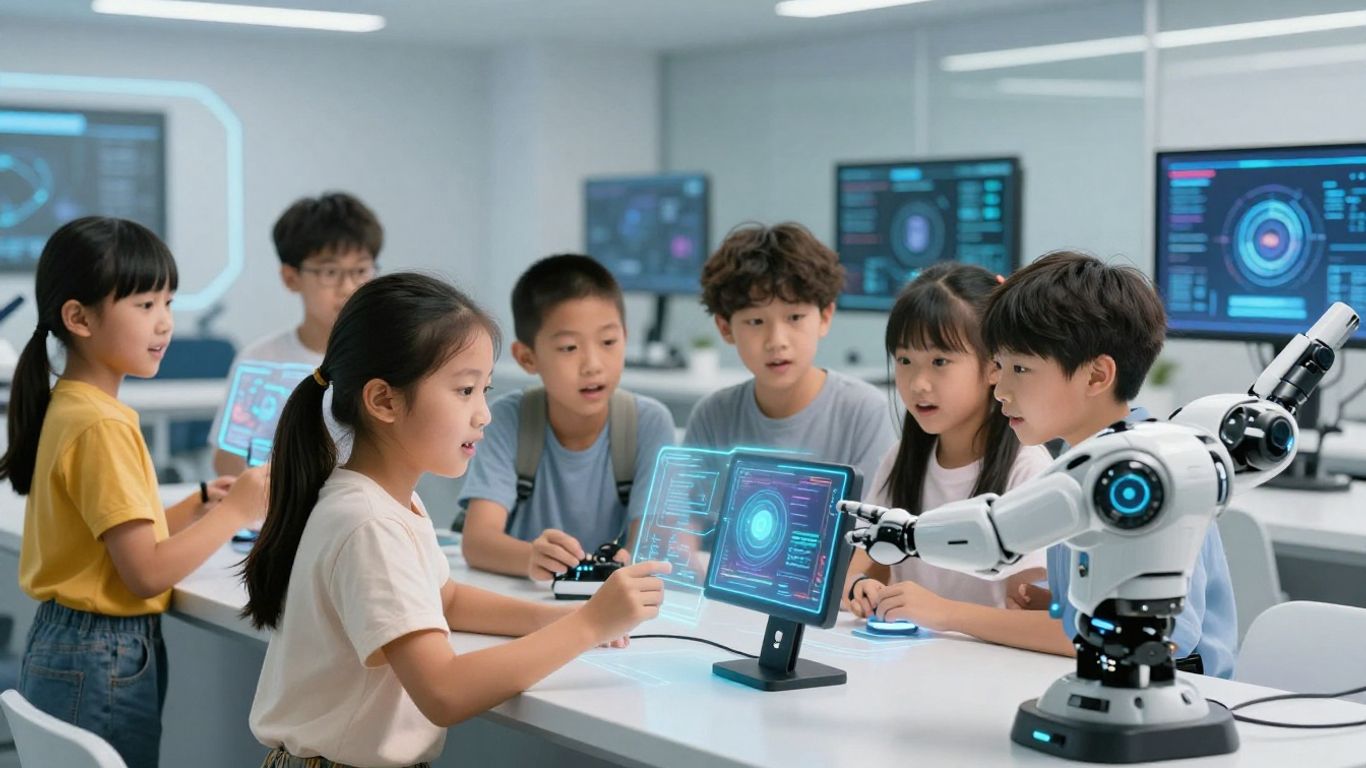
The world of work is changing fast, and technology is a big part of that. Schools have a role to play in getting students ready for jobs that might not even exist yet. It’s not just about knowing how to use a computer; it’s about developing a set of skills that will help them adapt and succeed.
Developing Essential Digital Literacy Skills
Think of digital literacy as the new reading and writing. It means being able to find information online, figure out if it’s trustworthy, and use it properly. It also includes understanding how to communicate safely and effectively using digital tools. Students need to be comfortable with a range of software and online platforms. This isn’t just for tech jobs; almost every career today requires some level of digital know-how.
Fostering Critical Thinking and Problem-Solving
Technology can present students with complex problems. When they use digital tools to research, analyze data, or even build something, they’re practicing critical thinking. They learn to break down issues, look for patterns, and come up with solutions. This ability to think through challenges, especially with the help of technology, is something employers really look for.
Cultivating Adaptability and Innovation
New technologies pop up all the time. The best way to prepare students is to help them become lifelong learners who can pick up new tools and methods quickly. Encouraging them to experiment with different technologies, even if they don’t always work out perfectly, helps build their confidence and creativity. This willingness to try new things and adapt is key to staying relevant in a changing job market.
Innovative Tools and Resources in Education
Exploring Educational Apps and Platforms
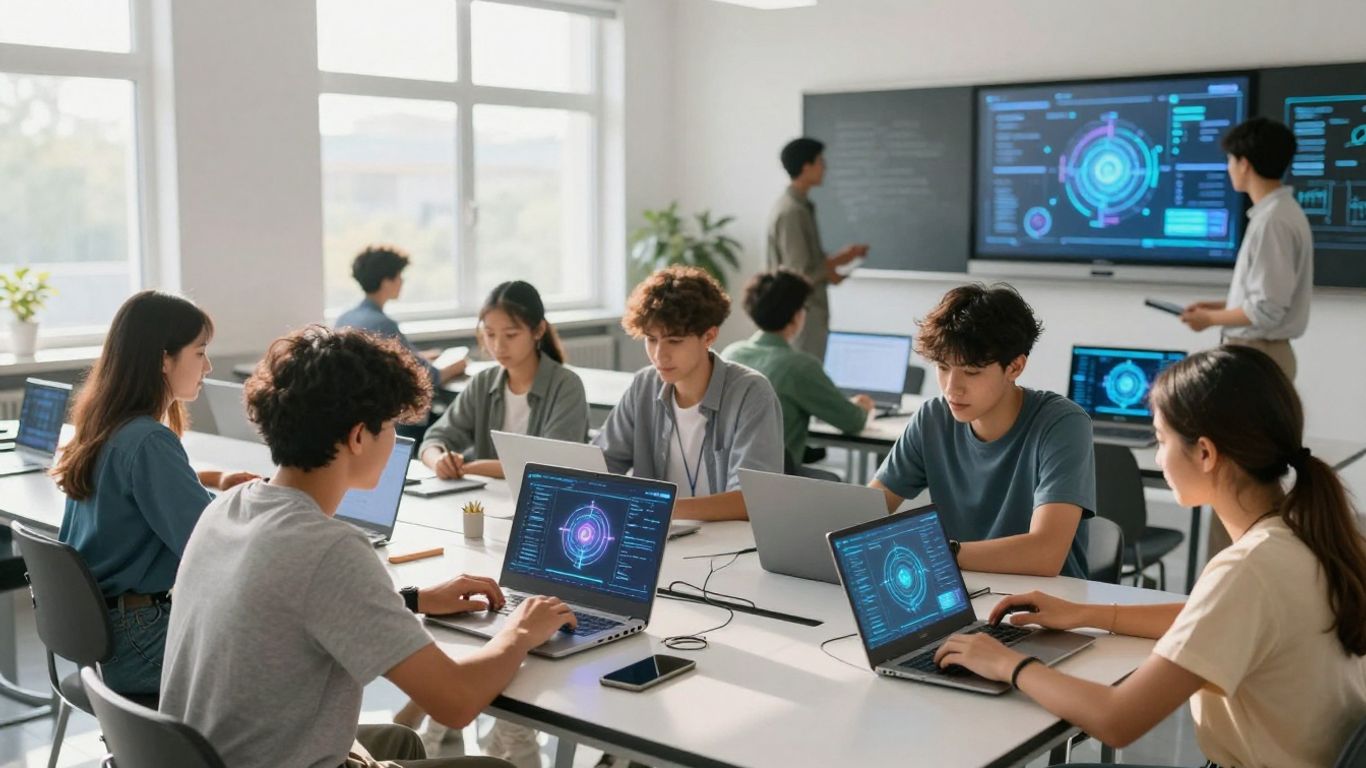
Today’s classrooms are buzzing with new digital tools that make learning more dynamic. Think about educational apps and online platforms; they’ve really changed how we teach and learn. These tools aren’t just for fun; they’re designed to help students grasp complex ideas and stay interested. For instance, platforms like Google Classroom allow teachers to share assignments, videos, and presentations, making lessons more engaging. Others, like Kahoot!, turn quizzes into interactive games, which is a great way to test knowledge without making it feel like a test. It’s all about making learning stick.
Utilizing Devices as Multifunctional Learning Tools
Most students already have access to devices like tablets and smartphones. Instead of seeing them just as entertainment, we can use them as powerful learning tools. These devices can access a huge amount of information, run educational apps, and even connect students with experts or classmates from anywhere. Imagine a history lesson where students can instantly look up primary sources or watch historical documentaries right on their devices. This turns passive learning into an active exploration.
Leveraging Interactive Technologies like AR/VR
Augmented Reality (AR) and Virtual Reality (VR) are starting to make their way into education, and they’re pretty amazing. AR can overlay digital information onto the real world – think of pointing a tablet at a plant and seeing its name and details pop up. VR, on the other hand, can transport students to different places or times. They could virtually walk through ancient Rome or explore the human body from the inside. These immersive experiences can make abstract concepts feel very real and memorable.
Here are some ways these technologies can be used:
- Virtual Field Trips: Visit places like the Great Wall of China or the Amazon rainforest without leaving the classroom.
- Simulations: Practice complex procedures, like dissections or chemical experiments, in a safe, virtual environment.
- Interactive Models: Explore 3D models of everything from molecules to historical buildings.
The goal is to move beyond simply reading about a topic to actually experiencing it. This kind of interaction can really help different types of learners connect with the material in new ways.
Addressing Challenges in Technology Integration
Bringing new technology into schools isn’t always a smooth ride. There are definitely hurdles to jump over, and it’s important we talk about them so we can find good ways to get past them. Think about it like trying to learn a new skill yourself – sometimes it’s tricky at first, right? The same goes for schools.
Bridging the Digital Divide and Ensuring Accessibility
One of the biggest issues is making sure everyone gets a fair shot. Not all students have the same access to computers or reliable internet at home. This "digital divide" can leave some students behind when lessons start using online tools. We need to make sure that learning materials and platforms work for everyone, including students with disabilities. This means checking that websites are easy to use, content can be understood, and that students with different needs can still participate fully. Using mobile devices, which many students already have, can help close this gap a bit, especially for those who might not have a computer at home. It’s about making sure technology helps learning, not creates new barriers.
Strategies for Digital Inclusion
So, how do we make sure everyone is included? It starts with planning. Schools can look at what devices and internet access students have and then make smart choices about the technology they use. For example, if not every student has a laptop, maybe the class can use shared devices for specific activities or focus on projects that can be done with fewer resources. Training is also key – teachers need to feel comfortable and know how to use the tech effectively, and students need to learn how to use it for learning too. This isn’t just about knowing how to turn on a computer; it’s about understanding how to find information, work with digital tools, and stay safe online.
The Importance of Broadband Access
Reliable internet is like the electricity for our digital classrooms. Without good broadband, all the fancy apps and online resources just won’t work properly. This is where bigger efforts come in. Governments and communities can work together to improve internet availability and make it more affordable for everyone. Think of it like building roads – we need good digital highways for learning to travel on. When broadband is available and affordable, it opens up a whole world of educational opportunities for students, no matter where they live.
It’s easy to get excited about all the cool new tech out there, but we have to remember that the goal is to help students learn. If a new tool makes things harder or leaves some students out, it’s not really helping. We need to be thoughtful about how we bring technology into schools, making sure it supports good teaching and learning for every single student.
Empowering Educators and Students with Digital Skills
Training and Support for Effective Technology Use
Getting everyone comfortable with new digital tools is a big part of making technology work in schools. It’s not just about handing out devices; it’s about making sure teachers and students know how to use them well. This means offering clear training sessions that show people the basics and then some. Think of it like learning to drive – you need lessons before you hit the road. For teachers, this training can help them figure out how to fit these new tools into their lesson plans without it feeling like extra work. For students, it’s about building confidence so they can use technology to learn, not just for fun.
Continuous Professional Development for Educators
Technology changes fast, and what’s new today might be old news tomorrow. That’s why ongoing training for teachers is so important. Schools should plan for regular workshops or online courses that keep educators up-to-date with the latest educational software, platforms, and digital teaching methods. This isn’t a one-and-done thing; it’s a continuous process. When teachers keep learning, they can bring fresh ideas and effective strategies into the classroom, making sure technology stays a helpful part of learning.
Equipping Students with Necessary Digital Competencies
Students today need more than just reading and writing skills; they need to be digitally competent. This means they should know how to find reliable information online, use productivity software, understand online safety, and work with others using digital tools. Schools play a big role in teaching these skills. It’s about preparing them not just for tests, but for life after school, where digital know-how is expected in almost every job.
- Digital Literacy: Understanding how to use computers, tablets, and the internet safely and effectively.
- Information Evaluation: Learning to tell good information from bad when searching online.
- Digital Citizenship: Knowing how to behave responsibly and ethically in online spaces.
- Collaboration Tools: Using shared documents and communication platforms to work with classmates.
The goal is to make sure that both teachers and students feel capable and confident using technology. When this happens, digital tools become a natural and helpful part of the learning process, rather than a source of frustration.
Wrapping Up Our Tech Talk
So, we’ve looked at what technology really means, especially for students today. It’s more than just gadgets; it’s about how we use tools to learn, create, and connect. From interactive lessons to finding information instantly, technology is changing how we go to school and get ready for the future. It’s a big part of the world we live in, and understanding it helps us all do better. Keep exploring, keep learning, and see how technology can help you on your own educational journey.
Frequently Asked Questions
What exactly is technology in school?
Technology in school means using tools like computers, tablets, smartboards, and the internet to help you learn. It’s not just about playing games; it’s about making lessons more interesting, helping you find information easily, and practicing skills in new ways. Think of it as a helper that makes learning more fun and effective.
How does technology make learning better?
Technology can make learning better by offering different ways to learn that suit how you learn best. You can watch videos, play learning games, or work on projects with classmates online. It also gives you access to tons of information beyond your textbooks, helping you explore topics more deeply and understand them better.
Will using technology in class help me get a good job later?
Absolutely! Using technology in school helps you build important skills that jobs need today. You’ll learn how to use computers and software, solve problems using digital tools, and work with others online. These skills make you ready for many different careers in the future.
What is ICT and why is it important for students?
ICT stands for Information and Communication Technology. It’s a big term that includes all the ways we use technology to share information and communicate, like the internet, phones, and computers. For students, ICT is important because it opens up new ways to learn, connect with others, and become skilled in using the digital tools that are everywhere today.
Are there any downsides to using too much technology in school?
Sometimes, not everyone has the same access to technology, which can be unfair. Also, it’s important to use technology wisely and not let it distract from learning. Schools work to make sure everyone can use the technology and that it’s used in ways that truly help learning, not just for the sake of it.
What are some cool new technologies being used in schools?
Schools are using exciting tools like educational apps that make learning fun, virtual reality (VR) and augmented reality (AR) to explore places and concepts in 3D, and interactive whiteboards. These tools help make lessons feel like an adventure and bring subjects to life in ways that were not possible before.