The California Technology of Institute, often known as Caltech, has a long history of pushing the boundaries of what’s possible. It’s a place where big ideas are born and then turned into real-world changes. From understanding the universe to creating new technologies, this institution has made a significant mark. We’ll explore some of the key discoveries and research that have come out of the California Technology of Institute and how they impact our lives today.
Key Takeaways
- Caltech’s work has led to major advances in computing, like the creation of microprocessors that power our modern devices.
- Researchers at the California Technology of Institute are exploring space, developing tools for missions and looking for new planets.
- The institute has contributed to understanding and protecting our environment, from tackling smog to fighting lead pollution.
- Innovations from Caltech include medical breakthroughs, like a universal coronavirus vaccine and devices to help people with paralysis.
- The California Technology of Institute fosters a culture of curiosity and collaboration, leading to groundbreaking discoveries by its students and faculty.
Pioneering Discoveries Shaping Our World
Advancing Computing and Electronics
Caltech has been at the forefront of advancements that have reshaped our digital lives. Think about the automated DNA sequencer, invented by alumnus Leroy Hood. This wasn’t just a cool gadget; it was a game-changer that really kicked off the whole field of genomics. It made projects like the Human Genome Project possible, allowing us to map out our genetic code. More recently, researchers have been developing new ways to sequence DNA even faster and more efficiently, helping us understand everything from how genes develop an embryo to what goes wrong in cancer.
Unlocking the Secrets of the Universe
When it comes to understanding the cosmos, Caltech has made some truly remarkable contributions. For instance, the development of the Richter scale by seismologists Beno Gutenberg and Charles Richter back in the 1930s gave us a way to measure earthquakes. Later, the moment magnitude scale was developed for even more precise measurements. And then there’s the incredible work with LIGO, led by Caltech physicists. They actually detected gravitational waves – ripples in spacetime – for the first time, confirming a century-old prediction by Einstein. This opened up a whole new way to observe the universe, like listening to the echoes of colliding black holes.
Innovations in Energy and Sustainability
Looking at how we interact with our planet, Caltech has also played a significant role. Back in the 1940s, a chemist named Arie Haagen-Smit figured out that smog was directly linked to car exhaust. This discovery was a big deal and led to the creation of air quality regulations. More recently, Clair Patterson’s work, while trying to date the Earth, unexpectedly revealed how widespread lead contamination was. His persistent research, even when people doubted him, was key in getting lead out of gasoline and pushing for environmental protections like the Clean Air Act. These efforts show how scientific inquiry can lead to real-world changes that protect our environment and health.
Groundbreaking Research at the California Technology of Institute
Advancing Computing and Electronics
Caltech has been at the forefront of digital innovation. Researchers here were instrumental in developing very-large-scale integration (VLSI), a process that allows for the creation of complex microchips by packing millions, even billions, of transistors onto a single piece of silicon. This work laid the foundation for the computers and smartphones we use every day.
Unlocking the Secrets of the Universe
The institute’s scientists are constantly pushing the boundaries of our cosmic understanding. Through advanced observational tools and theoretical work, they explore everything from the formation of heavy elements in neutron star mergers to the potential for harvesting solar power in space. This pursuit of knowledge helps us grasp our place in the vastness of the universe.
Innovations in Energy and Sustainability
Caltech is also a hub for developing solutions to global energy and environmental challenges. Work in areas like advanced materials, such as the creation of commercially viable graphene, and the study of aerodynamics using state-of-the-art wind tunnels, contributes to more efficient technologies and a better understanding of our planet’s systems. This dedication to practical application ensures that scientific discovery translates into real-world benefits.
The spirit of inquiry at Caltech drives exploration across diverse scientific frontiers, aiming to address complex problems with novel approaches and interdisciplinary collaboration.
Transformative Contributions to Science and Society
Environmental Science and Protection
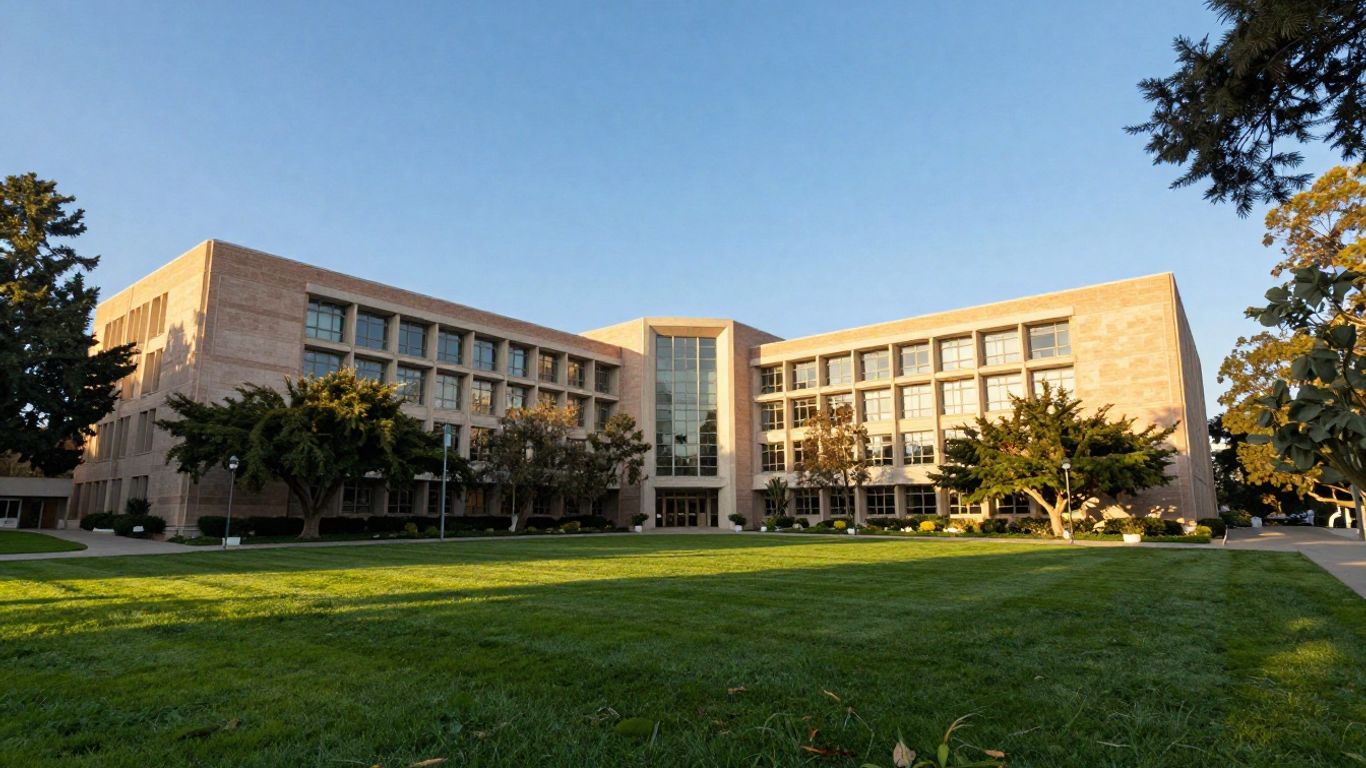
Caltech’s impact on understanding and protecting our planet is significant. Early work by researchers here helped connect automobile exhaust fumes to the formation of smog, a realization that spurred the development of crucial environmental regulations. Furthermore, investigations into various materials revealed the presence of toxic lead, prompting widespread consumer and environmental safety measures. These discoveries weren’t just academic exercises; they directly led to policies that safeguard public health and the environment.
Medical Breakthroughs and Health Innovations
The institute has been a hub for medical advancements that have changed lives. In the 1980s, the invention of the automated DNA sequencer by Leroy Hood was a game-changer, paving the way for the Human Genome Project and the entire field of genomics. More recently, research has focused on critical health challenges. For instance, David Ho’s work in the mid-1990s revealed that HIV is constantly active, leading to new therapies that have dramatically extended the lives of those with the virus. On another front, scientists are exploring the gut microbiome’s connection to neurological conditions, with research showing links between gut bacteria and diseases like Parkinson’s.
The Genesis of Modern Technology
Caltech has played a foundational role in shaping the technological landscape we know today. The development of very-large-scale integration (VLSI) technology, which allows for billions of transistors on a single chip, was a key step in the creation of modern computers and smartphones. This innovation is a prime example of how fundamental research at Caltech translates into the devices we use every day.
The institute’s commitment to tackling complex problems has consistently yielded breakthroughs that benefit society broadly, from understanding the Earth’s seismic activity to developing tools that improve human health and create new technological possibilities.
The California Technology of Institute’s Impact on Exploration
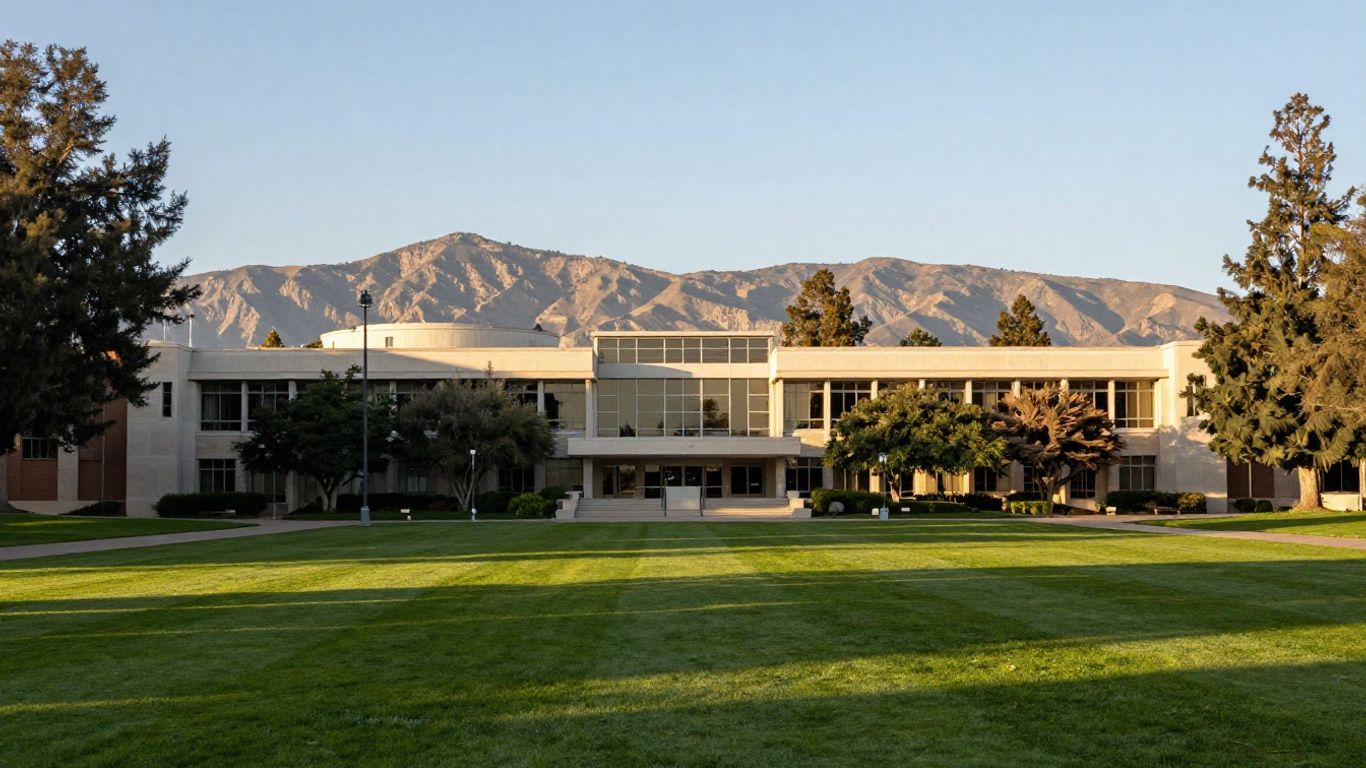
Caltech’s influence extends far beyond its campus, significantly shaping how we explore the unknown. The institute has been instrumental in pushing the boundaries of what’s possible, particularly in space and scientific discovery.
Leading Robotic Space Missions
The Jet Propulsion Laboratory (JPL), managed by Caltech for NASA, stands as a testament to the institute’s role in space exploration. JPL has been at the forefront of designing, building, and operating robotic missions that venture into the farthest reaches of our solar system and beyond. These missions have provided us with unprecedented data and images, fundamentally changing our understanding of planets, moons, and the vastness of space.
- Voyager Program: These probes have traveled further than any human-made object, providing the first close-up views of the outer planets and continuing to send back data from interstellar space.
- Mars Exploration Rovers (Spirit and Opportunity): These rovers spent years exploring the Martian surface, searching for evidence of past water activity.
- Cassini-Huygens Mission: This joint mission studied Saturn and its moons, revealing intricate details about the ringed planet and its diverse satellites, including the landing of the Huygens probe on Titan.
- Perseverance Rover: Currently exploring Jezero Crater on Mars, seeking signs of ancient microbial life and collecting samples for potential return to Earth.
Developing Advanced Observational Tools
To truly explore, we need the right tools. Caltech has been a leader in creating sophisticated instruments that allow scientists to observe the universe with greater clarity and detail than ever before. This includes advancements in telescope technology and sensor development.
The development of cutting-edge observational tools is as vital to exploration as the missions themselves. Without the ability to see and measure, our journeys into the unknown would be blind.
Understanding Planetary Science
Caltech’s contributions aren’t just about sending probes; they’re also about interpreting the data they send back. Researchers at the institute are deeply involved in planetary science, analyzing information from missions to understand the formation, evolution, and current state of planets within our solar system and exoplanets orbiting other stars. This work helps us answer fundamental questions about our place in the cosmos and the potential for life elsewhere.
Fostering a Culture of Innovation
At Caltech, innovation isn’t just a buzzword; it’s woven into the very fabric of the institution. This environment encourages people to ask big questions and pursue bold ideas. It’s a place where curiosity is nurtured, and collaboration is key to making new discoveries.
Cultivating Scientific Curiosity
From the earliest days, Caltech has prioritized sparking and sustaining a deep sense of wonder about the world. This isn’t limited to formal lectures; it happens in labs, during informal discussions, and through challenging coursework. The goal is to get students and researchers thinking critically and creatively about complex problems.
- Encouraging students to question existing theories.
- Providing opportunities for hands-on research early in their academic careers.
- Supporting faculty in exploring unconventional research paths.
Collaborative Research Environments
Caltech understands that groundbreaking ideas often emerge when diverse minds come together. The institute actively promotes interdisciplinary work, breaking down traditional barriers between different fields of study. This cross-pollination of ideas leads to unexpected breakthroughs.
The institute’s structure and ethos are designed to encourage scientists and engineers from different backgrounds to work side-by-side. This approach has proven effective in tackling multifaceted challenges that no single discipline could solve alone.
Empowering Future Innovators
Beyond the immediate research, Caltech is dedicated to shaping the next generation of thinkers and problem-solvers. This involves not only rigorous academic training but also instilling a mindset geared towards continuous learning and adaptation. Graduates are prepared to lead and innovate in a rapidly changing world.
- Providing access to cutting-edge tools and technologies.
- Mentoring students to develop leadership and teamwork skills.
- Connecting students with alumni and industry professionals for guidance.
Defining Disciplines Through Visionary Leadership
Nobel Laureates and Their Discoveries
Caltech’s history is marked by individuals whose groundbreaking work has not only advanced scientific understanding but has also been recognized with the highest honors, including Nobel Prizes. These achievements often stem from pushing the boundaries of established fields or creating entirely new ones. For instance, the detection of gravitational waves, a monumental feat predicted by Einstein, earned Kip Thorne and Barry Barish the Nobel Prize in Physics. This discovery, made possible by the Laser Interferometer Gravitational-wave Observatory (LIGO), opened a new window into observing the universe.
Pioneering New Fields of Study
The institute has a remarkable track record of initiating entirely new scientific disciplines. Roger Sperry’s work on split-brain experiments, for example, illuminated the distinct functions of the brain’s left and right hemispheres, laying groundwork for modern neuroscience and psychology. Similarly, the field of behavioral and social neuroscience was significantly shaped by Caltech researchers who explored the science behind decision-making, risk-taking, and consumer behavior.
Developing Solutions for Global Challenges
Visionary leadership at Caltech extends to tackling pressing global issues. Researchers have developed technologies with far-reaching societal benefits. Consider the invention of the automated DNA sequencer by Leroy Hood, which was instrumental in launching the field of genomics and the Human Genome Project. In a different vein, the development of the Robot Assisted MicroSurgery (RAMS) system has dramatically improved surgical precision, with significant applications in procedures like prostate surgery nationwide.
Here are some examples of Caltech’s impact:
- Environmental Protection: Early research identified the link between automobile exhaust and smog, leading to the development of crucial environmental protections.
- Earthquake Measurement: The invention of the Richter scale, and later its successor, the moment magnitude scale, provided standardized ways to measure seismic activity.
- Medical Innovations: Work on a universal coronavirus vaccine and a pressure-sensing eye implant for glaucoma patients demonstrates a commitment to improving human health.
The spirit of inquiry at Caltech encourages researchers to pursue bold ideas, often leading to discoveries that redefine scientific landscapes and offer tangible solutions to complex problems facing humanity.
A Lasting Impact
As we’ve seen, the California Institute of Technology is more than just a school; it’s a place where big ideas take shape and change the world. From understanding the universe to improving our daily lives, Caltech’s work touches us all. The spirit of curiosity and the drive to solve tough problems continue to make this institution a leader in science and technology, shaping the future for generations to come.
Frequently Asked Questions
What kind of important discoveries has Caltech been a part of?
Caltech has been involved in many amazing discoveries! They helped create the technology for modern computers and smartphones. Scientists there also figured out how to study super-fast chemical reactions and even discovered a new material called graphene, which is super strong and can conduct electricity really well. They also played a big role in understanding space, like discovering new planets and detecting waves in space itself.
How does Caltech contribute to understanding space?
Caltech is a major player in space exploration. They founded the Jet Propulsion Laboratory (JPL), which sends robots to explore planets and other places in our solar system and beyond. Caltech scientists also build powerful telescopes to look at distant stars and galaxies, helping us learn about planets outside our own solar system.
What are some of Caltech’s contributions to technology and science?
Caltech has made a huge impact. They developed the basic idea for computer chips that led to personal computers and smartphones. Their work in neuroscience has helped create ways for people with paralysis to control devices with their minds. They’ve also developed new ways to generate energy and are working on things like a universal vaccine.
How does Caltech encourage new ideas and learning?
Caltech really focuses on making students curious and giving them a strong science background. They offer lots of chances for students to work on real research projects with top scientists. The whole environment encourages people to work together and share ideas, which helps spark new discoveries.
Has Caltech had any Nobel Prize winners?
Yes, Caltech has had many Nobel laureates! For example, scientists like Kip Thorne and Barry Barish won the Nobel Prize in Physics for being the first to detect gravitational waves, which are like ripples in space. These discoveries show how Caltech scientists are at the forefront of understanding the universe.
What kind of impact does Caltech have on the environment?
Caltech scientists have made important discoveries about the environment. They were the first to show that car exhaust causes smog, which led to rules to clean the air. They also found out that lead was in many things we use and eat, which helped lead to removing lead from gasoline and protecting people’s health.