Getting into the world of digital assets can feel a bit complex, especially when it comes to keeping your crypto safe. A big part of that is understanding how to access your accounts securely. This guide is here to walk you through the process of blockchain wallet address login, making sure you know how to get into your account without any trouble and keep it protected.
Key Takeaways
- Understanding what a blockchain wallet address is and why securing its login is important is the first step to managing digital assets.
- The Blockchain.com sign-in process is straightforward, but knowing the steps helps you access your portfolio quickly.
- Using strong passwords and two-factor authentication are vital security measures to protect your blockchain wallet address login.
- Being aware of common login issues and knowing how to solve them, like forgotten passwords, keeps your access smooth.
- Exploring different wallet types, from hardware to software, helps you choose the best security for your digital assets.
Understanding Blockchain Wallet Address Login
What is a Blockchain Wallet Address?
A blockchain wallet address is like a unique identifier for your digital wallet on a blockchain network. Think of it as your bank account number, but for cryptocurrencies. It’s a string of letters and numbers that allows others to send you digital assets. This address is public and can be shared freely, unlike your private keys which must be kept secret. It doesn’t reveal your identity directly, but it’s the destination for all your incoming transactions.
The Role of Your Wallet Address in Transactions
Your wallet address plays a central role in every cryptocurrency transaction. When you want to receive funds, you provide this address to the sender. It acts as the endpoint for that specific transaction on the blockchain. Conversely, when you send crypto, you’ll need the recipient’s wallet address. The blockchain network uses these addresses to track the movement of digital assets and ensure they reach the correct destination. It’s the fundamental piece of information that connects you to the network and allows for the transfer of value.
Why Secure Your Blockchain Wallet Address Login?
While your wallet address itself is public, the login to your wallet service or exchange is what protects access to your digital assets. This login often involves a password, and sometimes additional security measures like two-factor authentication. Securing this login is paramount because it prevents unauthorized individuals from accessing your account, potentially stealing your funds, or making transactions without your consent. It’s the gatekeeper to your cryptocurrency holdings, and keeping it strong is vital for maintaining control over your digital wealth.
The security of your digital assets hinges on protecting the access points to your wallet. While the address is for receiving, the login is for managing and controlling what’s inside.
Navigating the Blockchain.com Sign-In Process
Step-by-Step Guide to Logging In
Getting into your Blockchain.com account is pretty straightforward. Think of it like accessing your online bank, but for your digital money. Here’s how you do it:
- Visit the Website: Open your preferred web browser and go to the official Blockchain.com website. Look for the "Sign In" button, usually found in the top right corner of the homepage.
- Enter Your Details: You’ll be prompted to enter your registered email address and your password. Make sure you type them in carefully.
- Continue: Click the "Continue" button to proceed.
- Two-Factor Authentication (if enabled): If you have two-factor authentication (2FA) set up, Blockchain.com will send a verification code. This might go to your mobile phone via SMS or to an authenticator app you’ve linked. This extra step is a big help in keeping your account safe.
- Enter Verification Code: Input the six-digit security code you received into the designated field to complete the login.
Following these steps will help you access your account securely.
Accessing Your Digital Asset Portfolio
Once you’re logged in, you’ll find yourself in your personal dashboard. This is where all your digital assets are managed. You can see your current holdings, check market prices in real-time, and get a snapshot of your portfolio’s performance. It’s your central hub for everything related to your cryptocurrency.
Key Features Available After Login
Logging into Blockchain.com opens up a range of useful features designed to help you manage your digital assets effectively:
- Buy and Sell Crypto: You can easily purchase or sell various cryptocurrencies like Bitcoin, Ethereum, and others directly from your account. Payment methods often include credit cards, debit cards, or bank transfers.
- Staking: Some cryptocurrencies allow you to earn rewards by "staking" them. This means you lock up a certain amount to help support the network, and in return, you get more crypto.
- Instant Swaps: Need to exchange one type of cryptocurrency for another? The instant swap feature lets you do this quickly and without needing to go through a separate exchange.
- Market Monitoring: Keep an eye on the prices of different cryptocurrencies. You can set up alerts for when prices reach certain levels and view charts to understand market trends.
- Security Settings: You can also access and update your account’s security settings, such as changing your password or managing your 2FA options.
Remember, your login is the key to your digital vault. Always ensure you are on the official Blockchain.com website and that your connection is secure before entering your credentials. Double-checking the website address in your browser’s address bar is a simple yet effective habit.
Enhancing Security for Your Blockchain Account
Keeping your digital assets safe is a top priority, and that starts with making sure your Blockchain account is locked down tight. It’s not just about having a password; it’s about building multiple layers of defense against anyone who might try to get unauthorized access. Think of it like securing your home – you wouldn’t just lock the front door, right? You’d consider other entry points and add extra measures.
The Importance of Strong Passwords
Your password is the first line of defense. A weak password is like leaving your front door wide open. We’re talking about passwords that are easy to guess, like "123456" or "password," or even personal information like your birthday or pet’s name. Hackers have tools that can try millions of combinations very quickly to find these weak spots.
To create a strong password, aim for a mix of characters:
- Uppercase letters (A-Z)
- Lowercase letters (a-z)
- Numbers (0-9)
- Symbols (!@#$%^&*())
A truly robust password should be long and complex, ideally a passphrase made of several random words. For example, "BlueGiraffe!SunnyDay7" is much better than "BGSD7". Remember, never reuse passwords across different accounts. If one account gets compromised, others remain safe.
Implementing Two-Factor Authentication
Two-factor authentication, or 2FA, adds a critical second layer of security. Even if someone manages to steal your password, they still won’t be able to access your account without the second factor. This is usually something you have, like your phone.
Here’s how it typically works:
- You enter your password as usual.
- You’re then prompted to provide a second piece of information, such as:
- A code sent via SMS to your registered phone number.
- A code generated by an authenticator app (like Google Authenticator or Authy) on your smartphone.
- A physical security key.
Using an authenticator app is generally considered more secure than SMS-based 2FA, as SMS messages can sometimes be intercepted.
Recognizing and Avoiding Phishing Scams
Phishing scams are a common tactic used by cybercriminals to trick you into revealing sensitive information, like your login credentials or private keys. These scams often come in the form of fake emails, text messages, or websites that look legitimate.
Here are some tell-tale signs of a phishing attempt:
- Urgency or Threats: Messages that create a sense of panic, like "Your account will be closed unless you act immediately!"
- Suspicious Links: Links that don’t match the official website address. Always hover over a link before clicking to see the actual URL.
- Requests for Personal Information: Legitimate companies rarely ask for your password, private keys, or full account details via email or unsolicited messages.
- Poor Grammar and Spelling: While not always present, many phishing messages contain errors.
Always double-check the sender’s email address and the website URL before entering any information. If you’re unsure, it’s best to go directly to the official Blockchain.com website by typing the address into your browser, rather than clicking on a link in an email or message.
By diligently applying these security measures, you significantly reduce the risk of unauthorized access to your digital assets.
Troubleshooting Common Login Issues
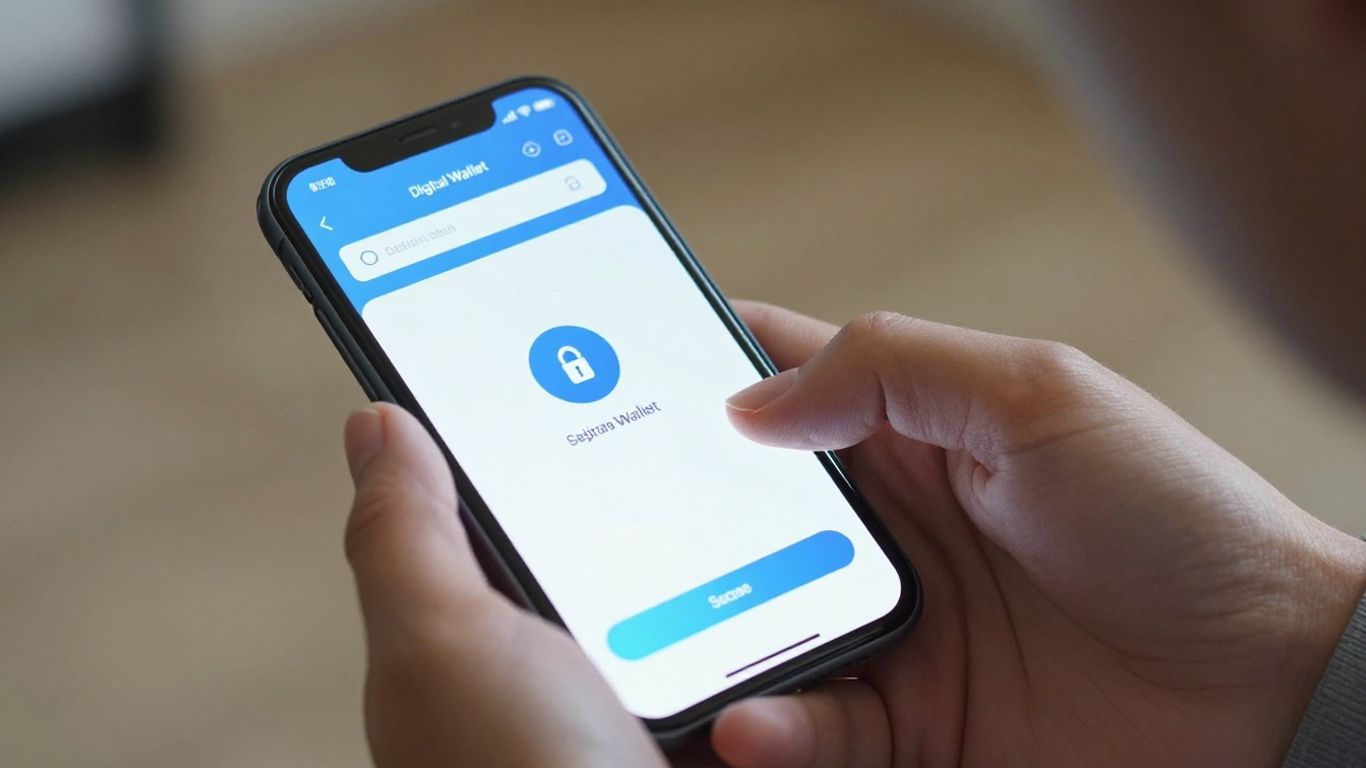
Sometimes, even with the best intentions, logging into your digital asset account can hit a snag. Don’t worry, most common login problems have straightforward solutions. Let’s walk through a few scenarios you might encounter and how to get back on track.
Resolving Forgotten Passwords
It happens to the best of us – you forget your password. The good news is that most platforms have a built-in recovery process. Typically, you’ll find a "Forgot Password?" or "Reset Password" link on the login page. Clicking this will usually prompt you to enter the email address associated with your account. After submitting your email, you should receive a message with instructions or a link to create a new, secure password. Always make sure to choose a strong, unique password for your account.
Addressing Two-Factor Authentication Problems
Two-factor authentication (2FA) is a fantastic security measure, but it can sometimes cause login delays. If you’re not receiving the code from your authenticator app or SMS, try these steps:
- Check your device’s time: Ensure your phone or authenticator device has the correct time and date. Incorrect time can prevent codes from syncing properly.
- Verify your authenticator app: Make sure the app is still linked to your account and functioning correctly. Sometimes, re-syncing or re-adding the authenticator can help.
- Use backup codes: If you saved backup codes when setting up 2FA, now is the time to use them. These codes are a lifesaver if your primary 2FA method is unavailable.
- Contact support: If none of these work, you may need to contact customer support for assistance with regaining access.
Handling Restricted Account Access
Occasionally, an account might be temporarily restricted for security reasons. This could be due to suspicious login attempts or unusual activity detected on your account. If you find your account is restricted:
- Review security alerts: Check your email for any messages from the platform explaining the restriction and outlining the steps needed to resolve it.
- Verify your identity: You might be asked to provide additional information or complete an identity verification process to prove you are the legitimate account owner.
- Clear browser data: Sometimes, clearing your browser’s cache and cookies can resolve underlying technical issues that might be contributing to access problems.
It’s important to remain patient and follow the platform’s specific instructions when dealing with restricted access. Security measures are in place to protect your assets, and cooperating with the process is key to regaining full control.
Exploring Different Wallet Solutions
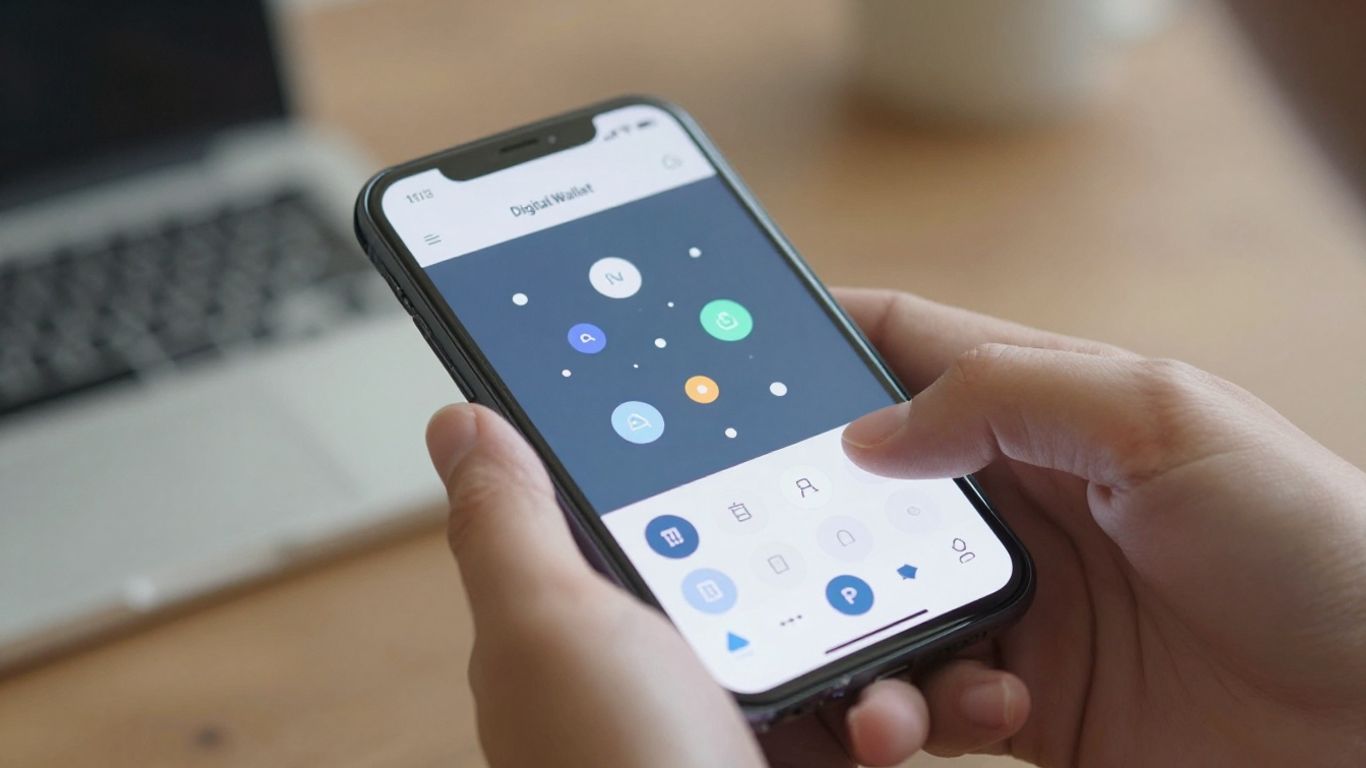
When it comes to managing your digital assets, the type of wallet you choose plays a significant role in security and accessibility. It’s not a one-size-fits-all situation; different solutions cater to various needs and risk tolerances. Understanding these options is key to making informed decisions about where and how you store your cryptocurrency.
Hardware Wallets for Enhanced Security
Hardware wallets are physical devices, often resembling a USB drive, specifically designed to keep your private keys offline. This offline storage is a major advantage because it shields your assets from online threats like malware and hacking attempts that target internet-connected devices. For individuals holding substantial amounts of digital assets or those looking for the highest level of security, a hardware wallet is generally recommended. They are excellent for long-term storage, as they minimize exposure to the digital world.
Software Wallets for Convenience
Software wallets, on the other hand, are applications that run on your computer or smartphone. They offer a good balance between security and ease of use, making them suitable for more frequent transactions or for managing smaller balances. Because they are connected to the internet, they do carry a slightly higher risk profile than hardware wallets. However, many reputable software wallets employ strong encryption and security measures to protect your funds. You can find various types, including desktop wallets, mobile wallets, and even web wallets, each with its own set of features and security considerations.
Understanding Custodial vs. Non-Custodial Options
The distinction between custodial and non-custodial wallets is fundamental to understanding control and responsibility.
- Custodial Wallets: These are managed by a third party, such as a cryptocurrency exchange. Think of it like a bank holding your money. It’s convenient because you don’t have to manage private keys yourself. However, you are trusting that third party with the security of your assets. If the custodian is compromised or goes out of business, your funds could be at risk.
- Non-Custodial Wallets: With these wallets, you are in complete control. You hold your private keys, meaning you are solely responsible for their security. This offers greater autonomy and security against third-party failures, but it also means that if you lose your private keys, you lose access to your funds.
The choice between custodial and non-custodial solutions often comes down to your comfort level with managing your own security versus relying on a trusted service provider. Both have their place in the digital asset ecosystem.
Many platforms now offer integrated solutions, allowing users to manage both custodial and non-custodial assets within a single application, simplifying the user experience while still providing options for different security preferences.
Best Practices for Digital Asset Management
Managing your digital assets effectively goes beyond just making trades. It involves a consistent approach to security, organization, and awareness. Think of it like tending a garden; regular care yields the best results. Staying informed and proactive is key to protecting your investments.
Regularly Reviewing Account Activity
It’s a good habit to check your account statements and transaction history often. This helps you spot any unusual activity quickly. Most platforms provide a detailed log of all your trades, deposits, and withdrawals. Looking over this regularly can alert you to potential issues before they become major problems. It’s like checking the locks on your doors every evening – a simple step that adds a layer of security.
Securing Your Devices
The devices you use to access your digital assets are extensions of your wallet. Make sure your computer and mobile phone are protected with strong passwords or biometric locks. Keep your operating systems and apps updated, as these updates often include security patches. Avoid downloading software from untrusted sources, and be cautious about connecting to public Wi-Fi networks when managing your accounts. These networks can sometimes be less secure, making your connection vulnerable.
Safeguarding Private Keys and Seed Phrases
Your private keys and seed phrases are the ultimate keys to your digital assets. Losing them means losing access to your funds, and if someone else gets them, they can take your assets. Never store them digitally in plain text on your computer or in cloud storage. A common recommendation is to write them down on paper and store that paper in a secure, physical location, like a safe or a bank safe deposit box. Some people use multiple methods for redundancy. For example, you might split a seed phrase into parts and store them in different secure locations. It’s also wise to have a plan for what happens to these credentials if something happens to you, perhaps by informing a trusted executor or family member about their location and how to access them.
Here are some ways to manage your private keys:
- Write them down on durable material (e.g., metal plates).
- Store written keys in multiple secure, fireproof locations.
- Consider using a hardware wallet, which keeps keys offline.
When thinking about the long-term management of your digital assets, consider how they fit into your overall estate plan. Just like traditional assets, digital wealth needs a clear path for inheritance. Consulting with a legal professional who understands digital assets can help ensure your wishes are carried out smoothly. This planning can prevent complications and provide peace of mind.
For those looking to manage their digital assets, understanding different wallet solutions is important. Hardware wallets, like a physical USB drive, keep your crypto offline, which is generally safer from online threats. Software wallets, on the other hand, are apps or programs that connect to the internet. Choosing the right type of wallet depends on your needs, whether it’s for long-term storage or frequent trading. You can find more information on managing your digital assets through platforms like Fidelity Crypto.
Wrapping Up Your Digital Journey
So, we’ve gone over how to log into your Blockchain wallet and keep it safe. It’s really about taking a few simple steps to make sure your digital money stays yours. Remember to use strong passwords, turn on that extra security layer like two-factor authentication, and always be careful about where you click. The world of crypto can seem a bit complex at first, but by understanding how to manage your login and protect your account, you’re setting yourself up for a smoother experience. Keep learning, stay alert, and enjoy exploring what blockchain technology has to offer.
Frequently Asked Questions
What is a blockchain wallet address?
Think of a blockchain wallet address like a unique digital mailbox for your cryptocurrency. It’s a long string of letters and numbers that shows where your digital money is kept. When someone wants to send you crypto, they need this address. It’s different from your login details, which are for accessing your account.
Why is it important to secure my blockchain login?
Your blockchain login is the key to your digital money vault. If someone unauthorized gets into your account, they could take your valuable digital assets. Keeping your login safe protects your investments from theft and unwanted access.
How can I make my blockchain account more secure?
You can boost your account’s safety by using a very strong, unique password that includes different kinds of characters. Also, turning on two-factor authentication (2FA) adds an extra lock. This usually means you’ll need a code from your phone or email to log in, making it much harder for hackers.
What should I do if I forget my password?
Most platforms, like Blockchain.com, have a ‘Forgot Password?’ link on the login page. Clicking this will usually send instructions to your registered email address on how to create a new, secure password. Make sure to check your email, including your spam folder.
What are hardware and software wallets?
Hardware wallets are like physical USB drives that store your crypto keys offline, making them very secure for larger amounts. Software wallets are apps on your phone or computer that connect to the internet, offering more convenience for everyday use or smaller amounts.
What are private keys and seed phrases?
Private keys are secret codes that prove you own your cryptocurrency. A seed phrase is a list of words that can be used to recover your wallet if you lose access. Both are extremely important and must be kept secret and safe, ideally offline, as they give direct control over your funds.