As digital assets become more common, keeping them safe is a big deal. Picking the right place to store your crypto can feel like a lot, especially with so many choices out there. We’ve looked into some of the top options to help you find the best crypto wallet app for managing your digital money securely in 2026. Whether you’re just starting or have been around the block a few times, there’s likely a wallet that fits your needs.
Key Takeaways
- Coinbase Wallet is a top choice for its user-friendly interface and strong security features, making it great for both new and experienced users.
- Exodus offers broad asset support across many blockchains and includes a built-in crypto swapping feature, which is handy for managing diverse portfolios.
- MetaMask is a popular choice for those looking to interact with decentralized applications (dApps) and the Web3 ecosystem.
- Trust Wallet stands out as a solid mobile crypto wallet option, providing easy access and management of digital assets on the go.
- SafePal S1 offers a secure, offline storage solution with its hardware wallet, ideal for users prioritizing maximum security for their crypto holdings.
1. Coinbase Wallet
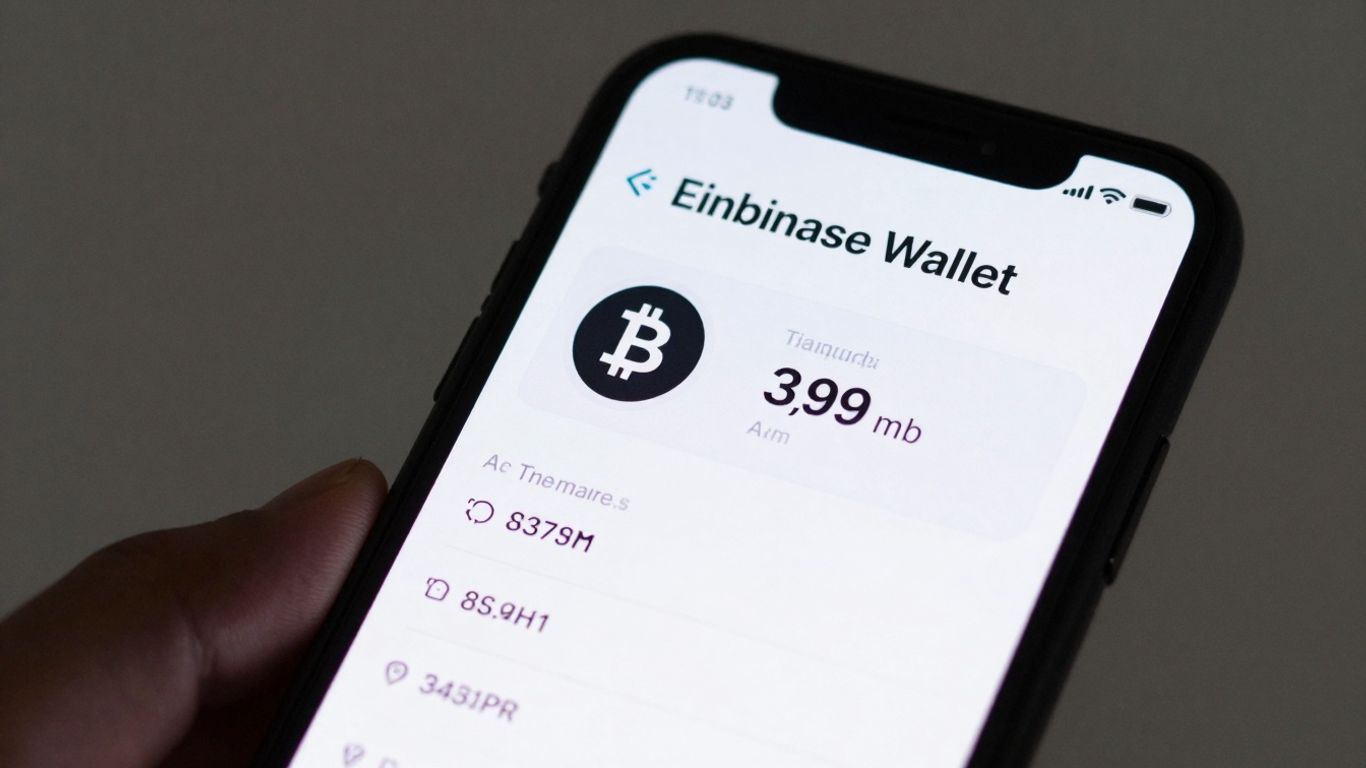
Coinbase Wallet is a popular choice for managing your digital assets, especially if you’re already familiar with the Coinbase ecosystem. It’s a non-custodial wallet, which means you have control over your private keys, and they’re stored directly on your mobile device. This gives you a good level of independence from exchanges.
One of the standout features is its ability to connect with decentralized applications (dApps) and non-fungible tokens (NFTs). This opens up a world of possibilities for interacting with the broader Web3 space, allowing you to trade tokens not listed on traditional exchanges. It also supports a wide range of networks, including Ethereum, Polygon, and Avalanche, making it quite versatile.
Coinbase Wallet offers a good balance between user-friendliness and advanced features for those looking to explore beyond basic crypto storage.
Here’s a quick look at what it offers:
- Asset Support: Supports thousands of assets, including all ERC-20 tokens and assets on EVM-compatible chains. You can trade hundreds of different assets directly.
- dApp and NFT Access: Easily browse, buy, and sell NFTs, and interact with a vast number of decentralized applications.
- Network Compatibility: Works with multiple networks like Ethereum, Polygon, and Avalanche.
- Hardware Wallet Integration: Connects with Ledger hardware wallets for an extra layer of security, allowing you to move assets to cold storage.
- Customer Support: Offers various support channels, including live chat, email, and phone, available 24/7.
While it’s a strong contender, it’s worth noting that Coinbase Wallet doesn’t have a desktop application; it’s primarily a mobile app and browser extension. Also, like many hot wallets, it has faced security challenges in the past, with a notable hack affecting customers in 2021. It’s also important to check within the Coinbase app to confirm its availability to you, as it’s not universally accessible to all users yet.
For users who want to engage with DeFi and NFTs while maintaining control over their private keys, Coinbase Wallet presents a compelling option. Its integration capabilities and broad asset support make it a go-to for many in the crypto community.
2. Exodus
Exodus stands out as a solid choice for managing a variety of digital assets, especially if you’re looking for a wallet that balances ease of use with robust features. It’s designed to be accessible, even if you’re relatively new to the crypto space, but it doesn’t skimp on the tools needed for more experienced users.
One of the main draws of Exodus is its broad support for different cryptocurrencies. You can keep track of assets across more than 50 blockchain networks, which is pretty handy if you’re invested in more than just the major coins. This wide compatibility makes it a convenient hub for diverse portfolios.
Here’s a quick look at what makes Exodus a strong contender:
- User-Friendly Interface: The design is clean and intuitive, making it easy to send, receive, and manage your crypto without feeling overwhelmed.
- Built-in Swaps: Need to exchange one crypto for another? Exodus has an integrated swapping feature, powered by third-party partners. This means you can often make trades directly within the wallet, saving you the step of moving funds to an exchange.
- Portfolio Management: Beyond just holding assets, Exodus offers tools to track your portfolio’s performance over time, giving you a clearer picture of your investments.
- Hardware Wallet Integration: For those who want an extra layer of security, Exodus works well with Trezor hardware wallets. This allows you to manage your hardware-stored assets through the Exodus interface.
When it comes to fees, Exodus itself doesn’t charge for setting up or maintaining your wallet. You’ll primarily encounter standard network fees when you send transactions. The built-in swap feature does have fees, but these are typically baked into the exchange rate provided by their partners, rather than being a separate charge you see.
Security in Exodus is focused on keeping your private keys safe on your device. It uses strong encryption and password protection. While it’s not fully open-source, they do share parts of their code and keep the software updated, which is a good sign for security-conscious users.
Exodus is a great option if you appreciate a wallet that’s straightforward to use, supports a lot of different coins, and offers convenient features like in-app swaps, all while keeping your assets under your own control.
3. MetaMask
MetaMask has become a really popular choice, especially if you’re into the world of decentralized applications, often called dApps. It works as a browser extension and a mobile app, making it pretty accessible.
The main draw for MetaMask is its strong connection to the Ethereum ecosystem and its ability to interact with a vast number of dApps. This includes everything from decentralized finance (DeFi) platforms to NFT marketplaces. If you’re looking to explore these areas, MetaMask is often the first wallet people turn to.
Here’s a quick look at what makes it stand out:
- Broad dApp Compatibility: Connects with thousands of decentralized applications across various blockchains, primarily Ethereum and EVM-compatible chains.
- Extensibility: Supports additional features through third-party plugins, allowing for more customization.
- Frequent Updates: The development team regularly releases updates, including security patches, to keep the wallet secure.
- Transaction Success: Boasts a very high transaction success rate, which is good for avoiding failed transactions.
While MetaMask is fantastic for Ethereum-based assets and dApps, it’s worth noting that it doesn’t have native support for Bitcoin. You can also manually add ERC-20 tokens if they aren’t already listed. The network configuration can sometimes seem a bit complex for newcomers, but for those active in the Web3 space, it’s a familiar and powerful tool.
For users who frequently interact with decentralized services, MetaMask offers a robust and integrated experience. Its widespread adoption means many dApps are built with MetaMask compatibility in mind, simplifying the process of using these platforms.
MetaMask also offers features like built-in token tracking and slippage controls, which are helpful for managing your transactions. It’s a free, open-source wallet that supports a huge number of digital assets, and you can even add unsupported ERC-20 tokens manually. Plus, it integrates with hardware wallets like Ledger and Trezor for added security.
4. Trust Wallet
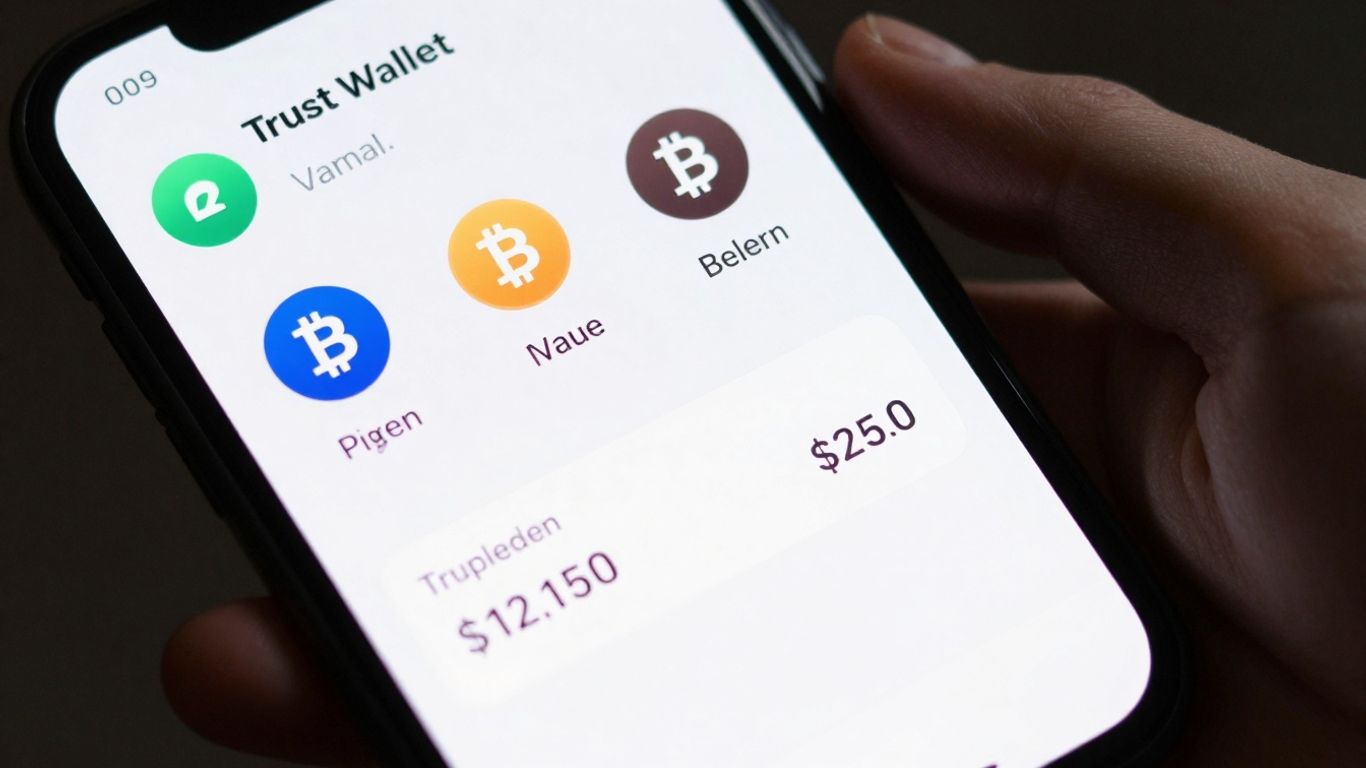
Trust Wallet stands out as a top choice, especially if you primarily manage your digital assets on a mobile device. It’s known for its user-friendly design, making it quite approachable even for those new to the crypto space. One of its strong points is the wide variety of cryptocurrencies and blockchain networks it supports, which is pretty impressive.
This wallet also offers some neat features that make managing your crypto easier. For instance, you can view your NFTs directly within the app, which is a nice touch if you’re into digital collectibles. Plus, the ability to swap tokens right inside the wallet simplifies the process of trading one asset for another without needing to move funds to an external exchange.
Here’s a quick look at what Trust Wallet offers:
- Extensive Asset Support: Handles a large number of coins and tokens across many different blockchains.
- NFT Integration: Allows for native viewing of NFTs on Ethereum and BNB Chain.
- In-App Swaps: Facilitates easy token exchanges directly within the wallet interface.
- Mobile-First Design: Built with a clean and simple interface for a smooth mobile experience.
While it’s a great mobile option, it’s worth noting that customization for transaction fees can be a bit limited, and there isn’t a live customer support channel available. However, for many users, the convenience and broad functionality make it a solid pick for everyday crypto management.
Trust Wallet is a good all-around option for mobile users who want to interact with various digital assets and Web3 applications without too much complexity.
5. SafePal S1
The SafePal S1 stands out as a top choice for cold storage, offering a strong combination of security and privacy for your digital assets. It’s a self-custody wallet that lets you store an unlimited amount of crypto and works with iOS, Android, Windows, and macOS. What’s really neat about the S1 is its completely offline nature; it doesn’t use USB, WiFi, Bluetooth, or NFC, making it a truly air-gapped device. Plus, at around $50, it’s quite affordable.
You can manage thousands of different cryptocurrencies with the SafePal S1. It also connects you to the decentralized finance (DeFi) world. You pair the hardware wallet with the SafePal mobile app by scanning a QR code. From the app, you can check your assets, look at NFTs, and explore decentralized applications (dApps).
Here are some of the key features:
- Supports thousands of coins and tokens.
- Truly offline cold storage with no connectivity.
- QR code pairing for easy app connection.
- Built-in self-destruct mechanism for added security.
- Affordable price point.
One interesting security feature is its self-destruct mechanism. If someone tries to tamper with the device, like entering the wrong PIN too many times, it will automatically wipe all data. This is great if the wallet is stolen, but you’ll want to be careful not to trigger it yourself by mistake.
The SafePal S1 provides a robust, offline solution for safeguarding your cryptocurrency. Its air-gapped design and self-destruct feature offer peace of mind for users concerned about online threats. The ability to connect to the SafePal app via QR code makes managing your assets and exploring dApps straightforward, all at a budget-friendly price.
6. Ledger Nano S Plus
The Ledger Nano S Plus is a solid choice for managing a variety of digital assets, especially if you have a diverse crypto portfolio. It’s a hardware wallet, meaning it keeps your private keys offline, which is a big plus for security. Think of it like a digital vault for your crypto that you keep in your physical possession.
This device can handle around 100 different types of crypto assets across many networks. That’s pretty good for an entry-level hardware wallet. It connects to your computer or phone using a USB-C cable and works with the Ledger Live application. This app is where you’ll manage your assets, install other crypto-related apps, and interact with things like DeFi and NFTs.
Here’s a quick look at what it offers:
- Broad Asset Support: Holds a wide range of cryptocurrencies and tokens.
- Offline Storage: Private keys are stored securely offline, away from online threats.
- Companion App: Ledger Live provides a user-friendly interface for managing your crypto.
- Compact Design: Small and easy to carry around.
While the Nano S Plus is a capable device, it’s worth noting that it doesn’t currently support iOS devices. You’ll need an Android, Windows, macOS, or Linux system to use it fully. Also, remember that it needs to be plugged into another device to function.
At its price point, the Ledger Nano S Plus offers a good balance of security and functionality for everyday crypto users who want to keep their assets safe from online risks.
7. Trezor Model One
The Trezor Model One, first released in 2014, holds the distinction of being one of the very first hardware wallets ever created. Its primary goal was simple: to keep your private keys offline and away from internet-connected devices, a concept that was revolutionary at the time and remains a cornerstone of crypto security today. It’s an entry-level device, which means it doesn’t have all the fancy features of newer models, but what it does, it does well.
This wallet is a fantastic choice for anyone prioritizing open-source security and transparency. Trezor’s commitment to open-source firmware means its code can be inspected by the public, adding a layer of trust. You won’t find any closed-off "black boxes" here.
When you get your Trezor Model One, you’ll set it up using the Trezor Suite software. The process involves generating a recovery seed, which is super important – write it down and keep it safe, because it’s your backup if your device is ever lost or damaged. Transactions are confirmed directly on the device itself, requiring you to physically press buttons. This step is key to preventing unauthorized access.
Here’s a quick look at what makes it tick:
- Open-Source Design: The firmware and software are publicly auditable.
- Offline Key Storage: Private keys are generated and stored on the device, never exposed online.
- PIN Protection: A personal identification number secures your device.
- Transaction Verification: Physical confirmation is required for every transaction.
While the Model One doesn’t have a touchscreen or built-in support for every single coin out there (it handles Bitcoin, Ethereum, and many ERC-20 tokens well), it integrates with other popular wallets like MetaMask and Electrum. This allows you to access a wider range of decentralized applications and services. It’s a straightforward, reliable tool for keeping your digital assets secure without breaking the bank.
The Trezor Model One is a testament to the idea that robust security doesn’t always need the latest bells and whistles. Its focus on core principles like offline storage and user verification has kept it relevant for years.
8. Gemini
Gemini is a well-known name in the crypto space, and their wallet is a solid choice, especially if you’re already using their exchange. It’s a hot wallet, meaning it’s connected to the internet, which makes it convenient for quick access and trading.
Gemini’s wallet is insured, offering an extra layer of security for your digital assets. This is a big plus, giving you a bit more peace of mind. It works really well with the coins listed on Gemini, letting you buy, sell, and store over 70 different cryptocurrencies. For folks just starting out, the standard Gemini app is pretty straightforward. If you’re more experienced, their ActiveTrader platform is there for you, allowing for faster trades and different order types.
However, it’s not perfect. Compared to some other wallets out there, Gemini supports fewer types of coins. Also, you’ll notice they charge fees for transactions and for moving your crypto into the wallet, which can add up. There’s also no cloud backup option, and you can’t get support via phone or live chat.
Here’s a quick look at what Gemini offers:
- Access to NFTs through their Nifty Gateway platform.
- Compatibility with hardware wallets like Trezor and Ledger.
- Customer support available 24/7.
While Gemini is a great platform for trading and offers a secure wallet, it’s important to be aware of the associated fees and the slightly more limited asset support compared to some competitors. It’s a good option if you value the integration with the Gemini exchange and their insurance policy.
Gemini’s wallet is a good pick for those who want a connected experience with a reputable exchange and appreciate the added insurance. Just keep those fees in mind when you’re moving assets around.
9. Zengo
Zengo is a crypto wallet that really tries to simplify things, especially for folks who might find managing seed phrases and private keys a bit daunting. Instead of those traditional methods, Zengo uses something called multi-party computation, or MPC, for security. Think of it as a more advanced way to keep your digital assets safe without you having to remember a long string of words or worry about losing them.
This approach is pretty unique for a consumer-level wallet. The company states that since its inception, there haven’t been any reported hacks or thefts from Zengo wallets, which is a pretty good track record.
Here’s a quick look at what Zengo offers:
- Keyless Security: Utilizes MPC technology, removing the need for seed phrases or private keys.
- User-Friendly Interface: Designed to be intuitive and easy to navigate, even for beginners.
- 24/7 Customer Support: Offers live support around the clock to help with any issues.
- Asset Support: While it supports over 300 digital assets, it’s worth noting that some popular ones, like Bitcoin Cash and Polkadot, are not currently included.
Zengo’s focus on eliminating the complexity of private key management is a significant draw. It aims to provide a secure yet accessible experience, making crypto management feel less like a technical puzzle and more like a straightforward process. This can be a big relief for many users who are hesitant to get involved with digital assets due to perceived security risks and the burden of self-custody.
While Zengo’s MPC security and ease of use are strong points, its limited support for certain cryptocurrencies is something to consider if you plan to hold a wide variety of digital assets. However, for those prioritizing a secure and simple entry into crypto management, Zengo presents a compelling option.
10. Binance Chain Wallet
Binance Chain Wallet is a solid choice, especially if you’re just starting out with digital assets. It’s a hot wallet, meaning it’s connected to the internet, which makes accessing your crypto and using decentralized applications (dApps) pretty straightforward. It also links up nicely with the Binance exchange, which is handy if you’re already a user there.
One of the interesting things about this wallet is how it handles your private keys. Instead of keeping them all in one place, it uses a method called Multi-Party Computation (MPC). This breaks your keys into three parts. One part is kept by Binance, another is stored on your device, and the third is encrypted and put in your cloud storage. This setup is designed to add an extra layer of security.
Here’s a quick look at what it offers:
- Easy integration with the Binance exchange.
- Access to a wide range of dApps and the DeFi ecosystem.
- Beginner-friendly interface.
- MPC technology for key management.
While it’s good for beginners and offers decent security features, it’s worth noting that Binance Chain Wallet isn’t perfect. There have been past security incidents involving the BNB Chain, and customer support options can be limited. Also, sometimes there are fees associated with moving crypto into the wallet.
Binance Chain Wallet is a good starting point for those new to crypto, offering a user-friendly experience and integration with a major exchange, though users should be aware of its security history and support limitations.
Wrapping Up Your Digital Asset Security
Choosing the right crypto wallet is a big step in managing your digital assets. We’ve looked at some of the top options available in 2026, covering everything from user-friendly beginner choices to robust solutions for experienced traders. Remember, the best wallet for you really depends on your personal needs, like how much crypto you have, how often you trade, and what features are most important to you. Whether you prefer the convenience of a hot wallet or the security of a cold wallet, always do your own research and prioritize keeping your private keys safe. By making an informed decision, you can confidently navigate the world of cryptocurrency with peace of mind.
Frequently Asked Questions
What is a crypto wallet and why do I need one?
A crypto wallet is like a digital purse for your digital money, such as Bitcoin or Ethereum. It lets you send, receive, and keep track of your digital coins. You need one because it’s the only way to safely store and manage your cryptocurrency. Think of it like needing a bank account to hold your regular money.
What’s the difference between a hot wallet and a cold wallet?
A ‘hot’ wallet is connected to the internet, like an app on your phone or a website. It’s easy to use for quick trades. A ‘cold’ wallet is not connected to the internet, usually a physical device like a USB stick. This makes it much safer from hackers, perfect for storing large amounts of crypto for a long time.
Are crypto wallets safe to use?
Crypto wallets are generally safe if you use them correctly. The biggest risks come from losing your secret password (called a private key or recovery phrase) or falling for scams. Always keep your recovery phrase super private and never share it. Also, only download wallets from official websites or app stores.
Can I lose my cryptocurrency if I lose my wallet?
If you lose a ‘hot’ wallet (like an app) and don’t have your recovery phrase, you might lose your crypto. However, if you have your recovery phrase written down safely, you can usually get your crypto back by setting up a new wallet and entering that phrase. For ‘cold’ wallets (physical devices), losing the device means you need your recovery phrase to access your funds elsewhere.
What does ‘non-custodial’ mean for a crypto wallet?
A ‘non-custodial’ wallet means YOU are in charge of your digital money. You hold the secret keys (your recovery phrase) that give you access. This is different from a ‘custodial’ wallet, where a company holds the keys for you. With non-custodial, you have more control but also more responsibility to keep your keys safe.
How do I choose the best crypto wallet for me?
To pick the best wallet, think about what you need. If you trade often, a user-friendly hot wallet might be good. If you’re saving a lot, a secure cold wallet is better. Also, check if the wallet supports the types of digital money you want to use and if it feels easy for you to use.

Peyman Khosravani is a seasoned expert in blockchain, digital transformation, and emerging technologies, with a strong focus on innovation in finance, business, and marketing. With a robust background in blockchain and decentralized finance (DeFi), Peyman has successfully guided global organizations in refining digital strategies and optimizing data-driven decision-making. His work emphasizes leveraging technology for societal impact, focusing on fairness, justice, and transparency. A passionate advocate for the transformative power of digital tools, Peyman’s expertise spans across helping startups and established businesses navigate digital landscapes, drive growth, and stay ahead of industry trends. His insights into analytics and communication empower companies to effectively connect with customers and harness data to fuel their success in an ever-evolving digital world.