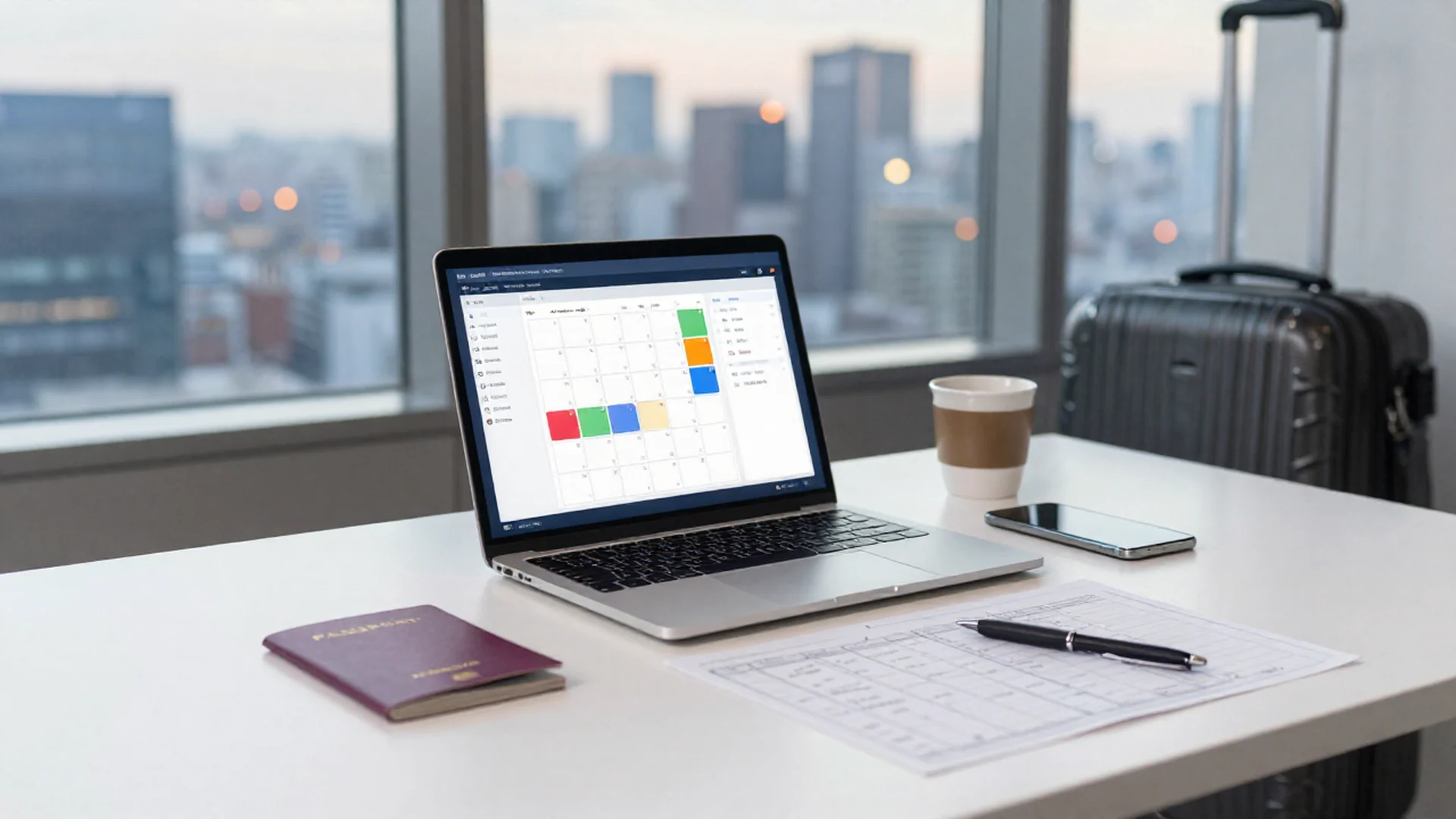
A supplier visit in Shenzhen, a trade exhibition in Guangzhou, or a partner meeting in Shanghai can begin with a simple invitation. Turning that invitation into a productive business trip takes more coordination. Someone must confirm the purpose of the visit, organize travel documents, manage bookings, and keep colleagues informed. When those responsibilities are scattered across inboxes, a missing detail can disrupt the whole schedule.
For businesses planning travel to China, the opportunity is to treat preparation as a shared operational process. Clear ownership, sensible technology, and a realistic timeline help employees spend less time chasing updates and more time preparing for the work that brought them there.
Define What the Trip Should Achieve
Before choosing flights, define what the traveler needs to accomplish. Is the visit intended to evaluate a manufacturer, negotiate commercial terms, meet distributors, or attend an industry event? A written objective helps determine who should travel, which meetings deserve priority, and what information needs to be available on arrival.
Translate that objective into practical deliverables. A sourcing manager might need a completed supplier assessment and an agreed schedule for samples. A sales director might need a shortlist of distribution partners and documented next steps. These outputs give the itinerary a purpose and make it easier to assess the trip afterward.
Give Travel Preparation a Clear Owner
Smaller companies do not necessarily need a dedicated travel department, but they benefit from a named coordinator. That person can maintain the checklist, track unresolved questions, and connect the traveler with finance, managers, and overseas hosts. Each task should have an owner and a due date.
Consider an invitation letter that needs correcting. The traveler may notice the issue, the host may need to amend it, and an administrator may be tracking the application. A shared record should show who is requesting the correction and when the revised document is expected. Otherwise, several people can assume that someone else is handling it.
Check Visa Requirements Early
Teams should verify the entry requirements that apply to the individual traveler, planned activities, and application location. For example, the Chinese Consulate General in Los Angeles publishes instructions covering its jurisdiction, online application review, and physical passport submission. Its official visa guidance also identifies supporting documents by category. Build the checklist from the relevant authority’s instructions rather than reusing an old employee’s application.
Where outside assistance would be useful, businesses can consider a china visa service such as China Visa Depot for application preparation, supporting-document review, and eligible submission coordination. Confirm the provider’s service area, scope, and charges before engaging it. Chinese authorities decide visa issuance and processing, so the company’s schedule should allow for uncertainty.
Track Progress While Protecting Personal Information
A simple dashboard can show whether requirements have been checked, documents are being prepared, corrections are outstanding, or a passport is ready for collection. Keep status information separate from passport scans and other personal records. Give access to sensitive files only to people who need them, using the company’s approved storage and sharing arrangements.
Make the tracker useful by recording the next action. “In progress” tells a manager very little. “Waiting for the host to confirm the revised visit dates” explains the dependency and identifies what needs attention. Calendar reminders can support follow-up, while a short review of outstanding tasks keeps the process moving without creating another lengthy meeting.

Build an Itinerary That Supports Productive Meetings
Before confirming several appointments in one day, check the locations with local hosts and allow room for transfers, meals, and preparation. A factory visit may need a different schedule from a meeting at a city-center office. Ask hosts how much time to reserve and whether interpretation or access arrangements need to be organized beforehand.
Prepare the substance of each meeting as carefully as the transport. Share an agenda, confirm who will attend, and gather the specifications, commercial questions, or presentation materials needed for discussion. Where interpretation is planned, provide relevant terminology in advance. A well-prepared traveler should know which decisions they can make independently and which require approval from colleagues at home.
Budget for Changes and Prepare a Backup Plan
Compare accommodation and transport options alongside cancellation terms, flexibility, and the cost of revising the itinerary. Record government charges, private assistance fees, and delivery costs separately where applicable. Finance teams can then see what each expense covers and avoid treating an initial estimate as the complete cost of travel.
Agree on a fallback plan before departure. Decide who can approve a schedule change, which meetings can move online, and how hosts will receive updates if travel is delayed. Keep essential contact information available to the traveler and coordinator. These arrangements are easier to settle during preparation than while someone is trying to resolve a problem between appointments.
Turn Each Trip into a Better Process
After the traveler returns, record meeting outcomes, assign follow-up actions, and review any administrative problems while they are still fresh. Useful measures include avoidable booking changes, repeated document corrections, and the time employees spent resolving missing information. Look for recurring causes that the next checklist can address.
Better corporate travel preparation does not require an elaborate system. It requires clear objectives, reliable information, visible responsibilities, and timely decisions. For companies visiting China, those habits connect the administrative work before departure with the commercial work on the ground. The result is a trip planned around what the business needs to achieve, with employees ready to act when they arrive.