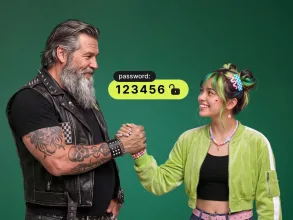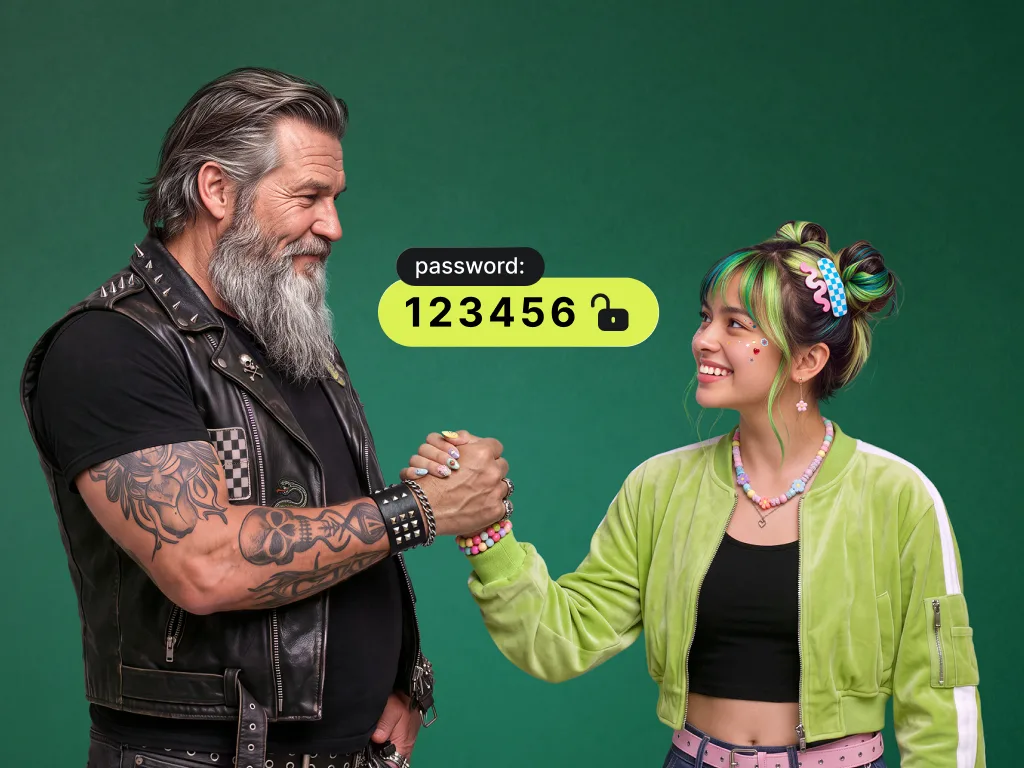
New research by NordPass finds that predictable passwords, including references to football clubs, video games and internet trends, remain widespread despite growing awareness of online security threats.
19 November 2026 – “admin” is the most common password in the United Kingdom for another year, according to the eighth annual Top 200 Most Common Passwords study by NordPass and NordLayer Intelligence.
The research, which analysed passwords exposed in data breaches and online repositories between September 2025 and September 2026, found that “123456” ranked second in the UK, followed by “password”.
The findings highlight a persistent cybersecurity problem: individuals and organisations continue to rely on credentials that are easy to remember but also easy for attackers to guess.
The study examined password trends globally and across 44 countries, revealing how everyday habits, entertainment and popular culture influence digital security.
Britain’s 10 Most Common Passwords in 2026
| Rank | Password |
|---|---|
| 1 | admin |
| 2 | 123456 |
| 3 | password |
| 4 | 12345678 |
| 5 | Password |
| 6 | 123456789 |
| 7 | 1234 |
| 8 | Password1 |
| 9 | 12345 |
| 10 | Pa55word |
Several variations of the word “password” appeared throughout the UK’s top 20, alongside predictable numerical sequences.
Other entries reflected British culture, including “Liverpool1”, “Chelsea1” and “Doctorwho123”.
Globally, “123456” remained the most common password, followed by “admin” and “12345678”.
From Metallica to Minecraft: How Pop Culture Shapes Passwords
NordPass also examined how entertainment and cultural trends influence password choices.
Music-inspired examples included “metallica” and “Slayer007”, while anime and gaming references included “sasuke”, “minecraft” and “Templerun303”.
More recent internet trends appeared through passwords such as “skibiditoilet” and “squidgamethebest”.
Researchers cautioned that the appearance of these references does not necessarily indicate when a password was created. Someone using a band’s name today may have been a fan for decades.
“Passwords are rarely random. When people need something they’ll remember, they fall back on what they already know well,” said Karolis Arbaciauskas, Head of Product at NordPass.
The problem is that popular references are predictable. Passwords based on publicly recognisable names, even when combined with numbers, can appear in attackers’ guessing lists.
Why Special Characters Are Not Enough
The research also found that 39 passwords on the global list contained special characters, compared with 32 in the previous year’s study.
However, combinations such as “Admin@123” and “P@ssw0rd” demonstrate why adding a symbol does not automatically make a password secure.
For businesses, weak credentials create risks extending beyond individual accounts. Compromised passwords may enable unauthorised access to company email, cloud applications, customer information and connected devices.
The growing use of AI in business operations adds further importance to identity management. Employees and automated systems may access multiple applications and sensitive datasets, making account permissions and authentication controls central to cybersecurity.
Organisations can reduce exposure by adopting unique passwords, password managers, multifactor authentication and appropriate access controls.
Passkeys offer another approach by replacing traditional passwords with cryptographic authentication on supported services.
The NordPass findings show that improvements in cybersecurity technology must be accompanied by changes in everyday security habits.
About NordPass
NordPass is a password management service developed by the team behind NordVPN. It provides tools for individuals and businesses to generate, store and manage credentials securely across devices.
The annual Top 200 Most Common Passwords research is produced with NordLayer Intelligence and independent cybersecurity researchers.