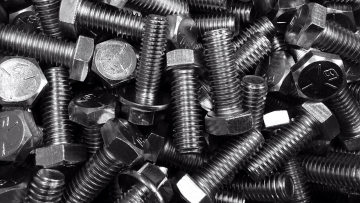
When you’re bolting together a heavy equipment trailer hitch, securing a high-horsepower driveline flange, or mounting a suspension control arm on an off-road rig, using the wrong grade bolt isn’t just an amateur mistake—it’s a major safety hazard. Standard Grade 2 or Grade 5 bolts might look fine on the surface, but put them under severe torque or dynamic shear stress and they’ll stretch, deform, or snap clean off. When maximum clamping force and high tensile strength are non-negotiable, mechanics, millwrights, and commercial fabricators rely on grade 8 hex cap screws to handle heavy structural, automotive, and industrial mechanical loads without unexpected failure.
Understanding the mechanical properties of high-strength fasteners is critical for any professional shop environment. A genuine Grade 8 hex cap screw is manufactured from medium-carbon alloy steel that has been quenched and tempered through precise thermal processing to achieve exceptional yield and tensile thresholds. By definition under standard SAE J429 specifications, a Grade 8 fastener boasts a minimum tensile strength of 150,000 pounds per square inch (PSI) and a minimum proof load of 120,000 PSI. This mechanical profile provides roughly twenty-five percent greater holding power than a standard Grade 5 fastener and nearly double the yield rating of generic low-carbon hardware. When your assemblies are subjected to continuous vibration, high shock loads, or intense thermal cycles, this mechanical safety margin prevents catastrophic joint separation.
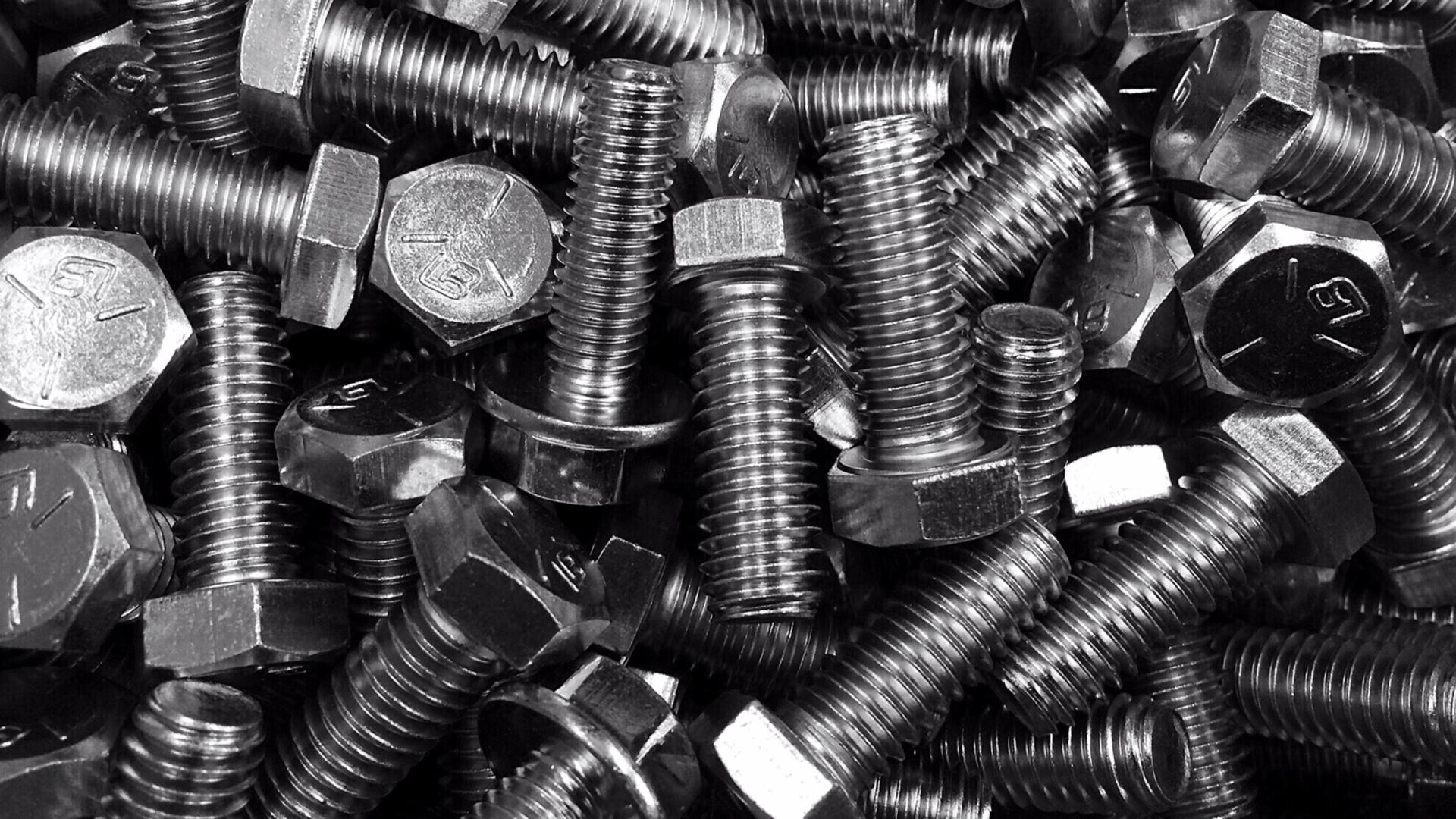
Visual identification is the first line of defense against dangerous hardware mix-ups in a busy workshop or production facility. Grade 8 hex cap screws can be instantly distinguished by the radial hash marks stamped cleanly onto the head of the bolt. SAE specifications mandate that Grade 8 bolts feature six radial lines pointing outward from the center like spokes on a wheel. By contrast, a Grade 5 fastener features only three radial lines, while an unmarked head indicates an unrated or Grade 2 commercial bolt. Additionally, most domestic Grade 8 fasteners feature a distinctive yellow zinc dichromate plating. This golden finish provides decent corrosion resistance while signaling high-strength alloy construction across busy maintenance bays and assembly lines.
Applying proper torque specifications is just as vital as choosing the correct bolt grade in the first place. Clamping force is created when torque stretches the fastener elastically within its yield range, acting like a stiff mechanical spring that binds the mating surfaces securely together. If you undertorque a high-tensile bolt, cyclic vibrations will loosen the nut and induce bending fatigue across the bolt shank. Conversely, overtorquing can permanently stretch the metal beyond its plastic deformation limit, causing threads to strip or the head to sheer off entirely during operation. Technicians must always consult calibrated torque charts based on bolt diameter, thread pitch, and surface condition. Clean, dry threads require significantly higher torque values than lubricated, plated, or anti-seize-coated fasteners, so understanding the friction coefficient of your joint is essential.
Fastener matching and mating hardware requirements cannot be overlooked during assembly or overhaul. A common job-site error is installing a high-grade cap screw into a standard hardware store nut or soft stamped washer. Under heavy clamp loads, a soft washer will dish, gall, or cup, causing immediate loss of pre-load torque and loosening the joint. Always pair your hex cap screws with matching heat-treated Grade 8 structural washers and high-strength Grade C or Grade 8 finished hex nuts. Maintaining full material compatibility across the entire bolted joint guarantees that the assembly maintains its engineered clamping rating under severe field conditions and heavy duty cycles.
Whether you manage a municipal fleet garage, operate agricultural machinery, maintain industrial conveyors, or build custom chassis assemblies, keeping properly organized bins of verified high-strength fasteners minimizes costly project delays. Sourcing traceable hardware directly from dependable industrial suppliers ensures your shop meets strict safety compliance standards while keeping every critical rebuild moving forward smoothly without unplanned shop downtime or emergency parts runs.