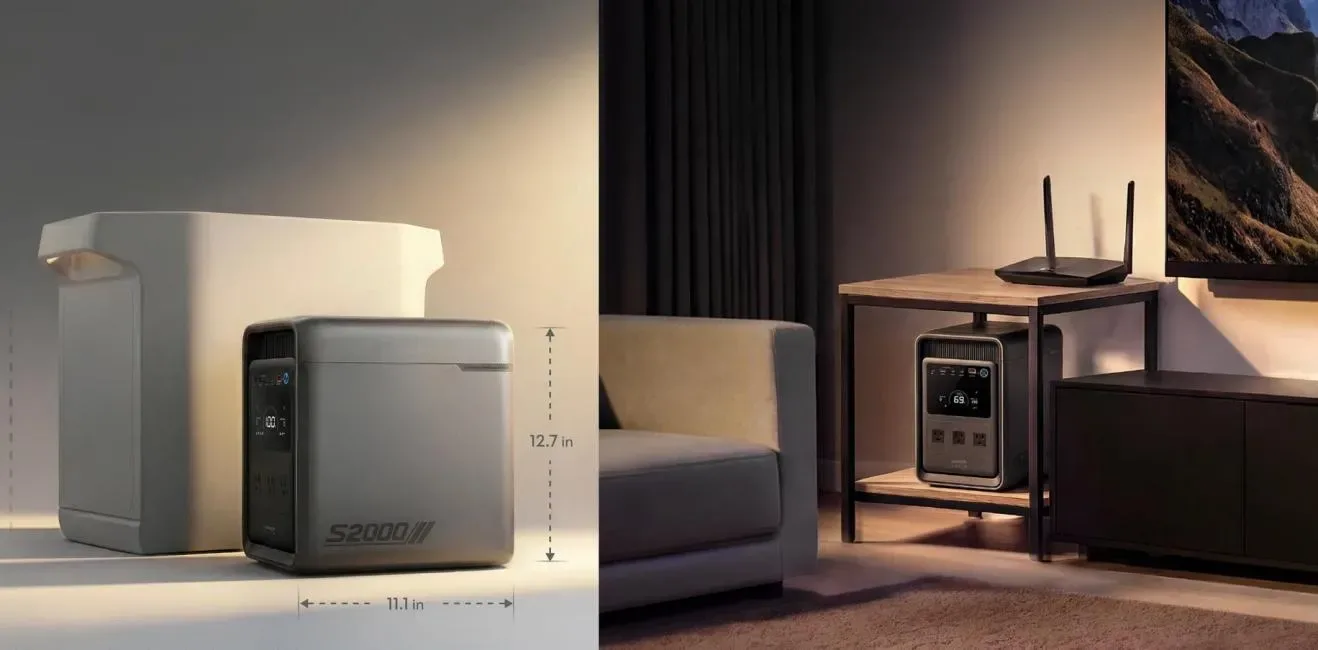
Portable fridge backup works best when you focus on three essentials: battery capacity, output power, and recharging speed. A larger battery helps, but capacity alone does not guarantee long cooling time or reliable compressor starts. Fridges cycle on and off, draw different amounts of power as temperatures change, and can briefly demand much more wattage when the compressor kicks in. That makes runtime estimates and output ratings equally important. Recharging also matters because a backup unit that refills quickly can support longer outages, road trips, and repeated daily use. If you want dependable portable fridge backup for home emergencies, camping, or vehicle travel, these three features will tell you far more than a single headline number on the box ever can.
Feature 1: Battery Capacity and Fridge Runtime
How Watt-Hours Translate Into Cooling Time
Battery capacity is measured in watt-hours, which tells you how much stored energy a power station can deliver over time. For portable fridge backup, more watt-hours generally means longer cooling runtime before recharging is needed. A 2,000Wh class unit can often run a fridge far longer than a smaller battery, especially when the compressor cycles efficiently. The practical goal is simple: match stored energy to the number of outage hours or travel hours you need, while leaving room for startup surges and normal system losses.
What Changes Your Fridge’s Actual Runtime
Actual runtime changes with fridge size, thermostat setting, ambient temperature, door openings, and how full the fridge is. Compressor fridges do not draw full power continuously, so average consumption is usually lower than running watts suggest. Efficiency losses from inverter conversion also affect the final number. A well-insulated fridge in mild weather lasts much longer than one working hard in direct sun or a hot kitchen. For better backup performance, pre-chill contents, minimize openings, and keep your portable fridge shaded and properly ventilated.
Feature 2: Output Power and Compressor Startup
Running Watts vs. Compressor Startup Surge
A fridge may run at a modest wattage most of the time, yet need a much higher burst when the compressor starts. That startup surge is why output power matters as much as battery size. If a power station cannot handle the brief spike, the fridge may fail to start even with plenty of stored energy available. Check both rated output for steady operation and surge or peak output for compressor startup. A reliable portable fridge backup should cover both numbers without pushing limits.
Why Stable AC Output Matters for Fridges
Stable AC output helps a fridge compressor start cleanly and run without unnecessary interruptions. Consistent power delivery is especially important during outages, when voltage dips or delayed switchover can disrupt cooling cycles. The Anker SOLIX S2000 Portable Power Station offers 1,500W rated AC output, up to 2,600W with SurgePad, and 3,000W peak AC output, giving headroom for fridge startup demands. It also includes 10ms UPS switchover, which helps maintain operation during sudden outages. For fridge backup, steady output supports dependable cooling and less stress.
Feature 3: Fast and Flexible Recharging
AC, Solar, and On-the-Go Charging Options
Flexible recharging gives portable fridge backup more real-world value because outages and trips rarely follow one predictable charging setup. AC charging is usually the fastest option at home or in a cabin, while solar helps extend runtime off-grid and reduce dependence on wall power. On-the-go charging can also keep a backup unit useful during vehicle travel. The best setup supports several input methods, so you can recharge from the grid before an outage, top up from solar in daylight, and stay prepared between uses.
How Faster Recharging Supports Longer Outages
Fast recharging shortens downtime and makes a single power station more useful across multi-day outages. If you can restore a large portion of capacity in a short window, you can keep a fridge cold with less interruption between charging cycles. This is especially helpful when grid power returns briefly or when solar conditions vary. Quicker recharging also supports repeated daily use for camping or road travel. In practice, recharge speed increases backup resilience because stored energy becomes available again before food safety becomes a concern.
Putting the 3 Features Into a Practical Backup Plan
Matching Backup Power to Your Fridge and Runtime
Start with your fridge’s running wattage and expected daily energy use, then choose a battery capacity that covers your target hours with margin. When looking for the best portable power station for fridge backup, confirm that its rated and surge output can handle compressor startup. Next, select charging options that fit where you will use it most, such as AC at home or solar while camping. This approach gives you a portable fridge backup plan based on real operating needs, not marketing shortcuts. Capacity, output, and recharging should work together as one system.
Anker SOLIX S2000 for Portable Fridge Backup
For users who want a strong balance of these three features, the Anker SOLIX S2000 fits portable fridge backup well. Its 2,010Wh LFP battery supports long service life, with 6,000 cycles to 80% capacity and a design built for years of repeated use. Recharging is also a major strength, with ultra-fast AC charging to 80% in 1.2 hours, AC plus solar to 80% in 1 hour, and up to 400W solar input. Typical use conditions can support 30+ hours of fridge runtime.
Conclusion
The most important portable fridge backup features are clear: enough battery capacity for meaningful runtime, enough output power for compressor startup, and recharge options fast enough to keep food cold through extended use. Looking at only one spec can lead to poor backup performance, even when the battery appears large on paper. A better choice is a power station that balances stored energy, stable AC delivery, and flexible charging around the way your fridge actually operates. For home outages, camping, and vehicle travel, that combination gives you practical cooling security instead of guesswork. When evaluating portable fridge backup, use these three features as your checklist. They directly determine whether your fridge starts reliably, stays cold long enough, and can be ready again when you need it most.