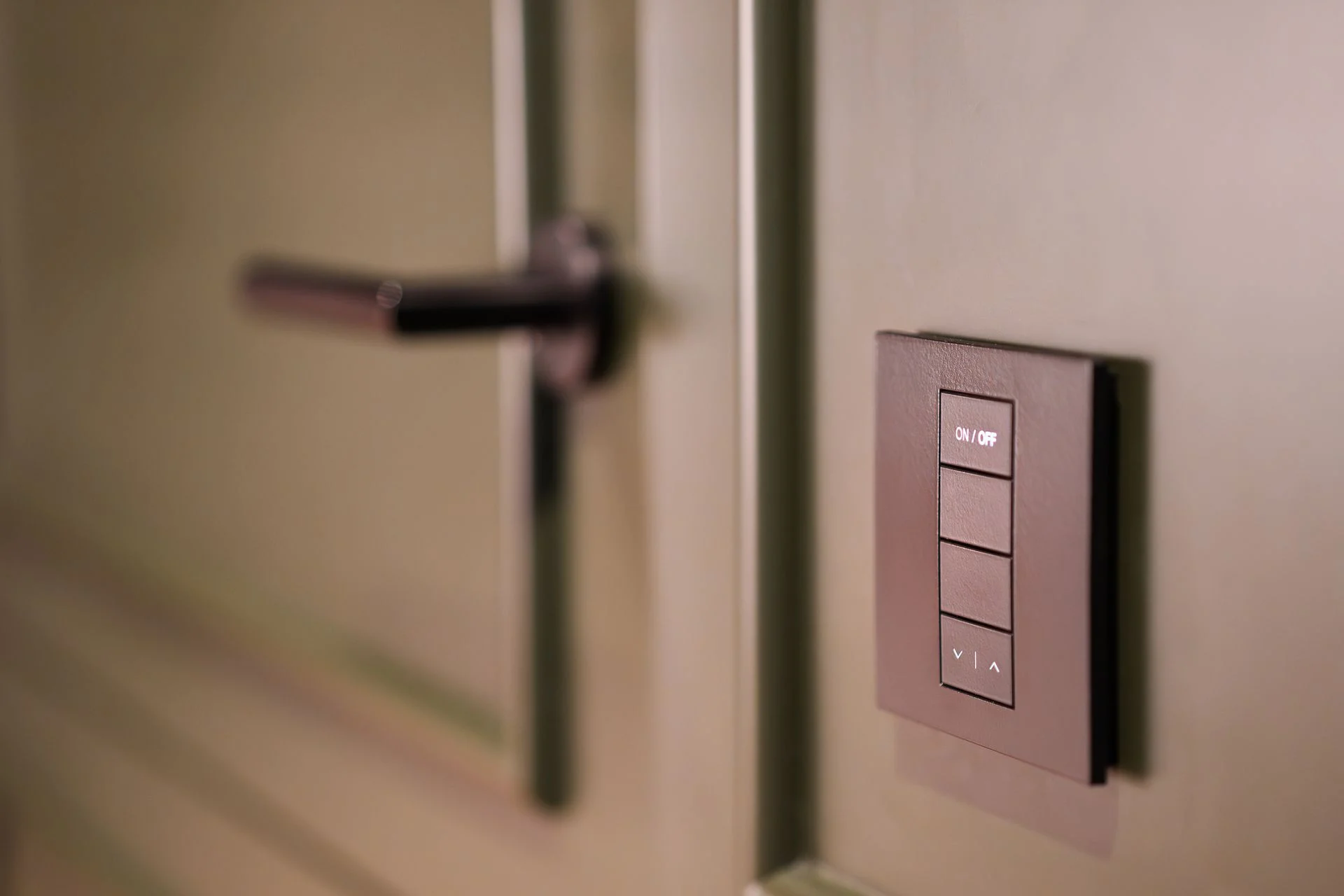
Home automation has entered a new era, driven by rapid advances in artificial intelligence (AI), the Internet of Things (IoT), and connected devices. According to Statista, the global smart home market is expected to generate approximately US$159.5 billion in revenue in 2026, with continued growth projected to around US$184.6 billion by 2031. This sustained expansion reflects rising consumer demand for intelligent technologies that improve convenience, security, energy efficiency, and overall quality of life.
The market’s momentum is also being fueled by broader adoption of AI-powered assistants, smart security systems, connected appliances, and energy management solutions. As interoperability improves through standards like Matter and hardware becomes more affordable, smart home technology is increasingly moving from early adopters into mainstream households.
What began with connected light bulbs and voice assistants has evolved into intelligent ecosystems capable of learning user preferences, automating routine tasks, optimizing energy consumption, and proactively protecting homes. Rather than simply responding to commands, today’s smart homes use machine learning, edge computing, and advanced sensors to anticipate occupants’ needs and coordinate multiple devices seamlessly.
This article explores the most important home automation trends defining 2026 and examines how emerging technologies are shaping the next generation of connected living.
1. AI-Powered Smart Homes
Artificial intelligence has become the driving force behind next-generation home automation. Unlike earlier smart home systems that relied on simple commands and scheduled routines, AI-powered platforms continuously analyze user behavior to deliver personalized experiences.
For example, an AI-enabled smart home can learn when residents typically wake up, automatically adjusting lighting, room temperature, and window blinds before they leave the bedroom. It can detect occupancy patterns, recommend energy-saving adjustments, and even identify unusual activity that could indicate security concerns.
Generative AI assistants have also become more conversational, allowing homeowners to interact naturally with their automation systems. Instead of issuing rigid commands, users can simply say, “Prepare the house for movie night,” and the system will automatically dim the lights, lower the blinds, adjust the thermostat, activate surround sound speakers, and turn on the television.
As demand for intelligent living spaces continues to grow, providers offering advanced home automation Melbourne solutions are helping homeowners integrate AI-driven security, energy management, climate control, and entertainment systems into seamless smart home ecosystems tailored to modern lifestyles.
2. Matter Standard Improves Device Compatibility
One of the biggest challenges in home automation has historically been compatibility between devices from different manufacturers. Many users found themselves locked into specific ecosystems, limiting flexibility and increasing costs.
The widespread adoption of the Matter smart home standard is changing this landscape. Matter enables smart devices from different brands to communicate more effectively, reducing compatibility issues and simplifying installation.
Consumers can now mix products from multiple manufacturers while managing them through a single interface. This interoperability makes smart homes easier to build, expand, and maintain while encouraging innovation across the industry.
3. Edge Computing for Faster Automation
Cloud computing has powered smart homes for years, but edge computing is becoming increasingly important.
Instead of sending every command to remote servers, many smart devices now process information locally. This results in faster response times, improved reliability, enhanced privacy, and reduced dependence on internet connectivity.
For example, facial recognition performed directly on a smart doorbell can unlock the door almost instantly without transmitting sensitive video footage to cloud servers. Local processing also ensures that many automation routines continue functioning even during internet outages.
4. Energy Management Becomes Smarter
Rising energy costs and growing environmental concerns have made energy optimization one of the biggest priorities for smart homeowners.
Modern automation systems actively monitor electricity consumption across lighting, heating, cooling, appliances, battery storage, and electric vehicle chargers. AI-powered energy management platforms can shift energy-intensive tasks to off-peak hours, automatically reduce unnecessary power usage, optimize HVAC schedules, and coordinate with rooftop solar systems.
Some homes even participate in smart energy grids, allowing homeowners to sell excess electricity back to utility providers during periods of peak demand. These technologies reduce household expenses while supporting sustainability goals.
5. Advanced Home Security
Security remains one of the strongest motivations for investing in home automation.
Today’s smart security systems extend far beyond motion sensors and surveillance cameras. Advanced solutions now incorporate AI-powered facial recognition, package detection, vehicle recognition, behavioral analysis, and intelligent perimeter monitoring.
Rather than generating alerts for every movement, modern systems distinguish between family members, visitors, delivery personnel, pets, and potential intruders. Smart locks, cameras, alarms, lighting, and mobile notifications work together to provide coordinated protection and faster responses to security events.
6. Health Monitoring Inside the Home
Home automation is increasingly supporting health and wellness.
Smart homes now include sensors capable of monitoring indoor air quality, humidity, carbon dioxide levels, temperature, and even sleep patterns.
Advanced systems can detect poor ventilation, elevated allergens, excess humidity, water leaks, smoke, and carbon monoxide before they become serious issues.
For older adults, passive monitoring systems can identify falls, unusual inactivity, or changes in daily routines and automatically notify caregivers without requiring wearable devices.
7. Smart Kitchens Continue to Evolve
The kitchen has become one of the most technologically advanced areas of the home.
Connected appliances now communicate with one another to streamline meal preparation. Refrigerators monitor food inventory, ovens automatically select cooking programs, coffee machines prepare beverages based on morning routines, and dishwashers schedule operation during lower electricity rates.
AI-powered recipe assistants can recommend meals based on available ingredients while reducing food waste through expiration reminders, making kitchens more efficient and environmentally friendly.
8. Robot Assistants Expand Beyond Vacuuming
Robot vacuum cleaners have become common household devices, but domestic robotics is advancing rapidly.
Modern home robots now perform tasks including floor cleaning, lawn mowing, window washing, pool maintenance, home surveillance, and transporting small household items.
Emerging AI-powered robots equipped with advanced computer vision can safely navigate complex home environments and assist elderly or disabled residents with everyday activities. Although fully humanoid household robots are still developing, specialized robotic assistants continue to improve every year.
9. Voice and Gesture Control Become More Natural
Voice assistants have matured significantly and are increasingly supported by gesture recognition and multimodal interaction.
Users can control connected devices using voice commands, smartphones, smartwatches, touch panels, and automated routines.
Natural language processing has improved dramatically, allowing systems to understand conversational requests rather than requiring specific commands. For example, saying “I’m leaving for vacation” can activate a complete departure routine that adjusts lighting, security, heating, appliances, and occupancy simulation automatically.
10. Sustainability Drives Automation Innovation
Environmental sustainability has become one of the most influential trends in home automation.
Modern smart homes optimize water usage, lighting, heating, cooling, solar generation, and battery storage through intelligent automation.
Smart irrigation systems monitor weather forecasts and soil moisture before watering gardens, while automated window coverings reduce cooling costs during summer and maximize natural heating during winter. These innovations lower utility bills while reducing environmental impact.
Challenges Facing Home Automation
Despite remarkable progress, several challenges remain.
Cybersecurity continues to be a major concern as increasing numbers of connected devices create additional attack surfaces. Manufacturers are investing heavily in stronger encryption, regular software updates, and multi-factor authentication to protect user data.
Privacy also remains an important issue. Consumers are becoming more selective about how personal information is collected, stored, and shared. Edge computing and local AI processing are helping address these concerns by minimizing cloud-based data transmission.
Although installation costs can still be significant for advanced automation systems, prices continue to decline as smart technologies become more widely adopted.
The Future of Smart Homes
The future of home automation extends far beyond convenience. Smart homes are evolving into intelligent environments capable of anticipating human needs while operating with minimal user intervention.
Future systems are expected to feature greater AI autonomy, predictive maintenance for household appliances, enhanced robotics, digital twins for home management, stronger cybersecurity, and deeper integration with smart cities and renewable energy networks.
As artificial intelligence continues to mature, homes will increasingly become active participants in broader digital ecosystems, communicating with utility providers, healthcare services, transportation systems, and emergency responders.
Conclusion
Home automation in 2026 represents a significant leap forward in the evolution of connected living. Artificial intelligence, edge computing, interoperable smart devices, sustainable energy management, advanced security, and intelligent robotics are transforming ordinary houses into adaptive, efficient, and highly personalized living spaces.
For technology enthusiasts, the smart home has become far more than a collection of connected gadgets—it is an intelligent ecosystem that continually learns, adapts, and improves daily life. As standards evolve and AI capabilities expand, home automation will become even more accessible, reliable, and seamlessly integrated into everyday routines.
The smart home of the future is not merely automated—it is intelligent, proactive, sustainable, and continuously learning. These innovations are redefining how people interact with their homes, creating living spaces that are safer, more efficient, and better equipped to meet the demands of modern life.