Fashion has always been visual, but social media has made it faster, more experimental, and more dependent on constant content. Creators, e-commerce brands, stylists, and influencers are now expected to produce outfit photos, short videos, try-on clips, product comparisons, seasonal edits, and platform-specific visuals at a pace that traditional production struggles to match.
This is one reason AI fashion tools are gaining attention. They are not only useful for entertainment. They can help creators and brands test clothing concepts, preview styles, produce UGC-style assets, and create video content before arranging a physical shoot.
The broader market context is important. The creator economy is projected to keep expanding, with IAB reporting U.S. creator economy ad spending at $29.5 billion in 2024 and projected to reach $37 billion in 2025. As brands spend more on creator-led content, visual experimentation becomes more valuable. Fashion content in particular depends on rapid testing: which outfit looks best on camera, which style fits the audience, and which visual identity feels most clickable.
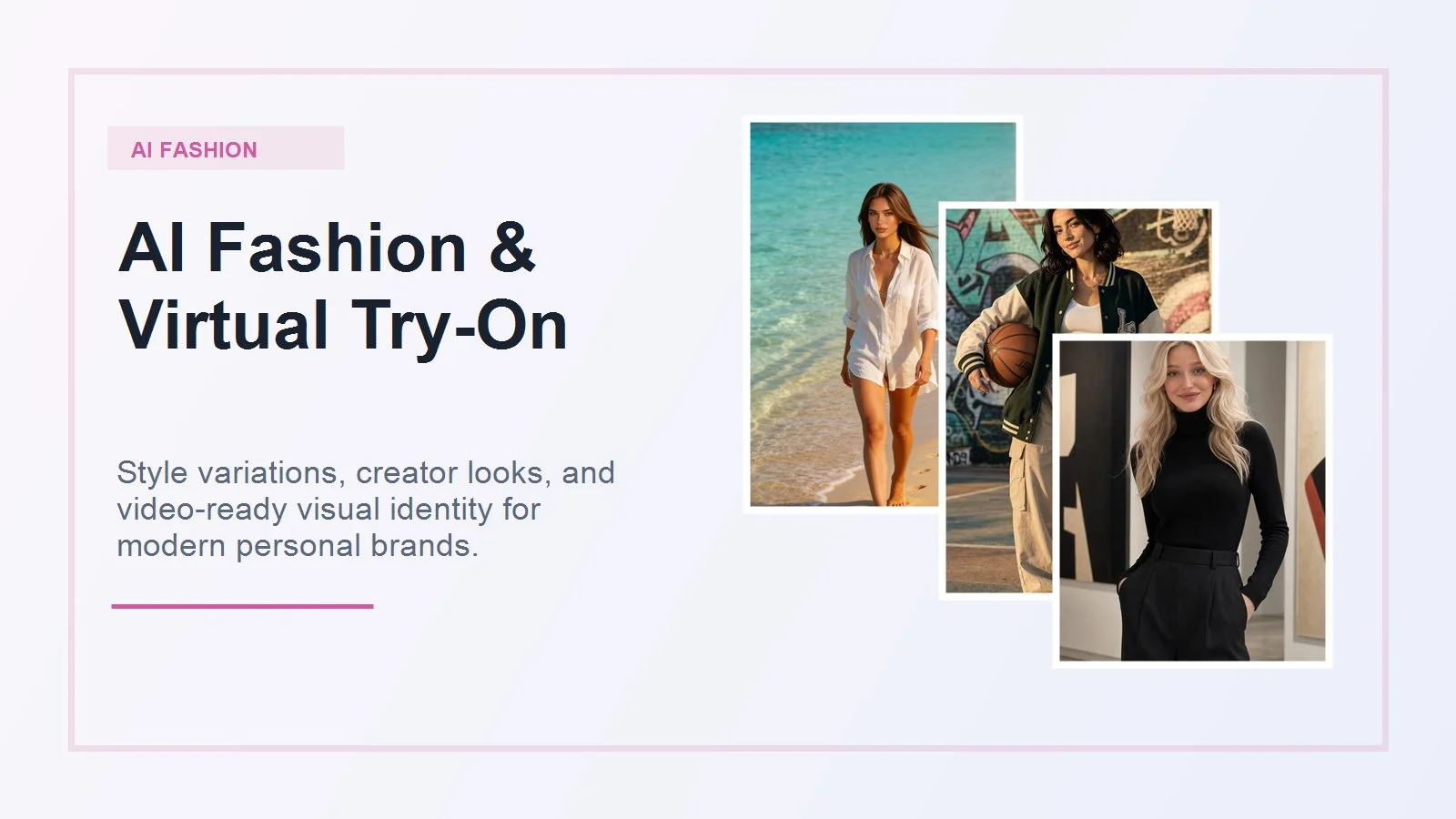
A tool like APOB’s AI clothes changer can fit into this workflow by helping creators test clothing styles without needing to physically change outfits for every concept. For example, a creator could test a streetwear look, a luxury editorial look, a business-casual look, and a festival outfit from the same base image. This can be useful for thumbnails, product previews, campaign planning, and social media concept testing.
The key is to treat AI clothing changes as pre-production, not as a replacement for taste. The creator still needs to decide which outfit fits the brand, the audience, and the platform. AI simply makes the testing process faster.
The next stage is turning those fashion images into video. A static outfit preview is useful, but video often communicates style more effectively. Movement reveals fabric, attitude, pose, and character. A short video can show someone walking through a city, turning toward the camera, adjusting a jacket, entering a studio, or presenting a product. APOB’s image-to-video AI can help transform a fashion still into a short motion sequence, which is especially valuable for TikTok, Instagram Reels, YouTube Shorts, and product landing pages.
A practical workflow might look like this:
First, generate or upload a clean portrait or body image. Second, use an AI clothes changing tool to test several outfit directions. Third, choose the strongest outfit based on the target use case: creator profile, brand campaign, product demo, fashion reel, or AI influencer content. Fourth, use image-to-video generation to create a short scene with camera movement and natural body motion. Fifth, edit the result into a platform-specific format.
For example, a fashion creator could test a “day to night” transformation: casual outfit in the first frame, upgraded evening outfit in the second, then a short AI video showing the character walking into a city scene. A brand could test multiple campaign moods before hiring models. A virtual influencer account could maintain the same face and body while changing outfits across weekly posts.
This workflow is also relevant for people interested in AI income. Fashion content can connect to affiliate links, product recommendations, digital styling guides, paid lookbooks, e-commerce campaigns, and UGC services. A creator who can quickly produce outfit concepts and short video samples may be able to offer faster creative testing for small brands.
However, the same ethical rules apply. AI fashion content should avoid misleading consumers about actual fit, fabric, sizing, or product availability. If a garment is AI-generated rather than physically worn, that distinction may matter in commercial contexts. For editorial ideation and visual testing, AI is powerful. For product claims, transparency is essential.
The most promising use of AI fashion tools is not to remove human creativity. It is to expand the number of ideas a creator can test. Instead of choosing one outfit, one location, and one shoot day, creators can explore many directions first, then invest in the ideas that look strongest.
As AI video becomes more stable and visual identity becomes more important, the combination of clothing generation and image-to-video production may become a practical workflow for fashion creators, AI influencers, and small e-commerce teams. The advantage will go to people who understand both sides: the technology and the taste.
Sources:
IAB creator economy data via TVTechnology: https://www.tvtechnology.com/news/iab-creator-economy-ad-spend-now-dwarfs-ad-spend-for-total-media-industry
IAB video GenAI data via TVTechnology: https://www.tvtechnology.com/news/nearly-90-percent-of-advertisers-will-use-gen-ai-to-build-video-ads-according-to-iab