It’s pretty wild how much technology has woven itself into our everyday lives, isn’t it? We often don’t even notice it, but innovation is constantly finding new ways to solve problems and make things easier. From how we cook our food to how we get medical help, there are some really neat ideas out there. This article looks at 10 uses of technology in our daily life that might just surprise you, showing how simple ideas can lead to big changes.
Key Takeaways
- The Wonderbag offers a way to slow-cook food, reducing reliance on open fires and cutting down on air pollution.
- Simple, open-source designs like the Bottle Light Bulb and the $1 Foldscope microscope bring essential tools to areas with limited resources.
- Innovative transport solutions, such as Medical Drones for delivering supplies and energy-generating roads, are changing how we move and power our communities.
- Mobile technology, seen in apps like mWater for water quality checks and wearable devices like the EVA Bra for health monitoring, puts powerful tools in our hands.
- Low-cost, durable solutions like Solar Ear hearing aids and PICS bags for food storage address fundamental needs in developing regions. Efforts focused on testing your hearing also play a key role in early detection and effective intervention in these communities.
1. Wonderbag
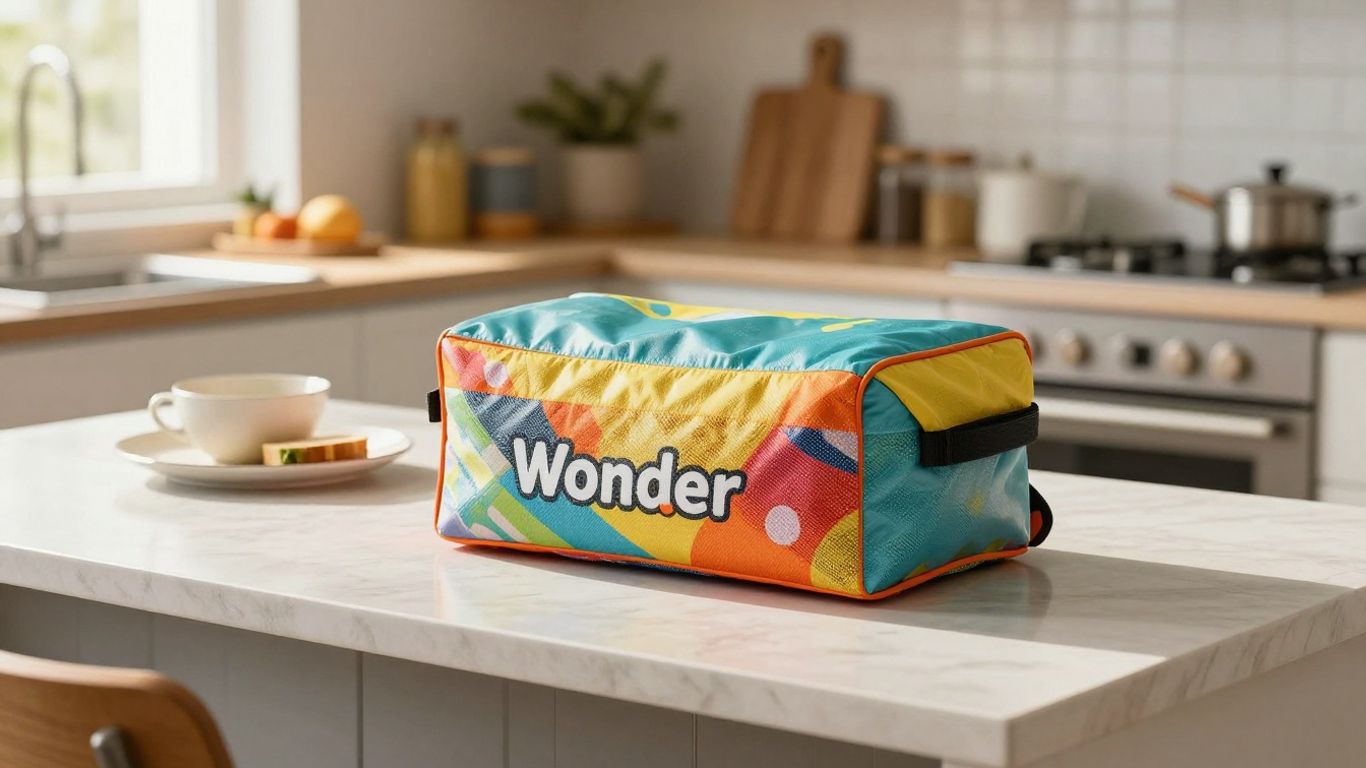
Imagine a cooking pot that keeps your food warm for hours without needing any electricity or fuel. That’s essentially what the Wonderbag does. It’s a clever, insulated bag designed to finish cooking food that has already been brought to a boil. You simply bring your ingredients to a boil on the stove, then place the pot inside the Wonderbag, close it up, and let it sit. The retained heat continues to cook the food slowly over several hours.
This innovation is particularly helpful in areas where cooking fuel is scarce or expensive, and where open fires contribute to air pollution. By using the Wonderbag, families can save money on fuel, reduce their exposure to harmful smoke, and free up time that would otherwise be spent gathering firewood. It’s a simple concept, but its impact on daily life, especially for those cooking with traditional methods, can be quite significant.
Here’s a quick look at how it works:
- Bring your food to an initial boil on a heat source.
- Carefully place the pot into the Wonderbag.
- Secure the Wonderbag tightly.
- Leave the food to slow cook for several hours.
The Wonderbag offers a sustainable way to prepare meals, reducing energy consumption and improving indoor air quality. It’s a testament to how thoughtful design can address everyday challenges in practical and beneficial ways.
2. Bottle Light Bulbs
Imagine a world where a simple plastic bottle can help light up a home. That’s the idea behind “A Liter of Light,” a project focused on bringing sustainable lighting to communities that lack access to electricity. They’ve developed an open-source method for creating affordable solar light bulbs using recycled plastic bottles and materials found locally. Volunteers teach people how to assemble these “bottle bulbs,” which can then provide illumination for homes. It’s a clever way to repurpose waste and offer a practical solution for off-grid living.
This innovation demonstrates how everyday items can be transformed into tools for progress.
The process is quite straightforward:
- Collect a clean, clear plastic bottle.
- Fill the bottle with water and a small amount of bleach (this prevents algae growth).
- Insert the water-filled bottle into a pre-made hole in a roof.
- The water refracts sunlight, illuminating the room below during the day.
For areas with limited or no electricity, these bottle light bulbs can make a significant difference, allowing for activities to continue after dark and improving the quality of life. It’s a testament to ingenuity, turning a common waste product into a source of light and hope.
3. SolaRoad
Imagine roads that don’t just sit there, but actually do something useful, like generate electricity. That’s the idea behind SolaRoad. It’s a project that turned a bike path in the Netherlands into a giant solar panel. The top layer of the path is made of special glass that lets sunlight through while still being strong enough to handle bikes and even small vehicles.
This isn’t just a cool concept; it actually produces power. The electricity generated can be used for things like streetlights, or even to power nearby homes. A 10-square-meter section of SolaRoad can produce enough electricity to meet the yearly needs of an average household. It’s a clever way to use existing infrastructure to create renewable energy.
Here’s a simplified look at how it works:
- Sunlight Absorption: The special glass surface captures solar energy.
- Energy Conversion: This captured energy is converted into electricity.
- Power Distribution: The electricity is then fed into the local power grid.
SolaRoad shows how we can rethink everyday structures, like roads, to serve a dual purpose – transportation and energy generation. It’s a step towards making our cities smarter and more sustainable by integrating technology into the very fabric of our environment.
4. Foldscope
Imagine a microscope that costs less than a dollar and fits in your pocket. That’s the Foldscope. It’s a brilliant piece of engineering, essentially a paper microscope that uses origami principles to fold into a functional viewing device. Despite its low cost and simple construction, it’s powerful enough to show you things like blood cells or even tiny bacteria.
This innovation is particularly impactful in areas where resources are scarce. Think about schools in remote villages or medical professionals working in underserved communities. The Foldscope can be a game-changer for education and diagnostics.
Here’s a look at what makes it so special:
- Portability: Folds flat, easily slips into a pocket or bag.
- Affordability: Costs under a dollar to produce.
- Durability: Made from robust paper materials, designed for field use.
- Magnification: Capable of magnifying objects up to 140 times.
The Foldscope is more than just a toy; it’s a tool that democratizes science. It allows individuals to explore the microscopic world around them, fostering curiosity and enabling practical applications, such as identifying diseases like malaria in field studies. It truly brings scientific exploration to everyone’s fingertips.
5. Medical Drones
Imagine needing medicine urgently, but living miles away from the nearest clinic, with difficult terrain making travel impossible. This is where medical drones are stepping in, changing how healthcare reaches people.
These unmanned aerial vehicles, often called “Zips” in places like Rwanda, are designed to carry essential medical supplies. Think vaccines, blood, or life-saving medications. Health workers can simply send a text message to a central hub requesting what they need. Within minutes, a drone is dispatched, flying at speeds around 100 km/h to its destination. The supplies are then dropped off, sometimes using a small parachute, right where they’re needed.
This technology is particularly helpful in areas that are hard to get to by road. It means that people in remote villages or isolated communities can receive critical care much faster than before.
- Speed: Drones can travel quickly over long distances.
- Accessibility: They can reach places that are difficult for traditional transport.
- Efficiency: Orders can be placed and fulfilled rapidly.
- Reduced Risk: Less need for risky travel by health workers in challenging conditions.
The ability of medical drones to bypass geographical barriers is revolutionizing emergency medical response.
The use of drones in healthcare is still growing, but their potential to save lives by getting medical aid to people quickly and reliably is already clear. It’s a fascinating look at how technology can solve real-world problems.
6. mWater App
Imagine needing to find clean drinking water, or wanting to know if the water source nearby is actually safe to use. That’s where the mWater app comes in. It’s a tool designed to help people easily find, check, and map water and sanitation spots.
This app is pretty neat because it works even when you don’t have internet. It uses your phone’s GPS to show you locations and lets you record information about them. Later, when you get online, it syncs all that data up to the cloud. This helps not just individuals, but also local groups and authorities understand where water sources are and if they need improvements.
Here’s a quick look at what mWater helps with:
- Finding safe water sources: Locate nearby wells, taps, or other water points.
- Monitoring water quality: Record details about the safety and condition of water sources.
- Mapping sanitation facilities: Identify and map public toilets and other sanitation sites.
- Identifying infrastructure gaps: Help authorities see where new water points or sanitation facilities are needed.
The mWater app has been used by over 10,000 people in 93 countries, building a huge database of water-related information. It’s a great example of how simple technology can make a big difference in public health and access to basic resources.
7. Solar Ear
Imagine a world where hearing is not a luxury, but a given for everyone. For millions globally, especially in developing nations, the high cost of hearing aids puts them out of reach. This is where Solar Ear steps in, offering a beacon of hope with its innovative, affordable, and solar-rechargeable hearing aids.
These devices are built to last, designed for durability in challenging environments. But Solar Ear’s impact goes beyond just providing access to sound. The organization is committed to creating jobs for individuals who are deaf, hiring them to assemble the very hearing aids that will change lives. It’s a beautiful cycle of empowerment and inclusion.
Solar Ear’s approach tackles both the accessibility and affordability barriers that have long prevented widespread hearing aid adoption.
Here’s a look at what makes Solar Ear stand out:
- Affordability: Significantly lower cost compared to traditional hearing aids.
- Sustainability: Utilizes solar power for recharging, making them ideal for areas with unreliable electricity.
- Durability: Constructed to withstand daily use and varying conditions.
- Social Impact: Provides employment opportunities for the deaf community.
The development of Solar Ear represents a significant step forward in making essential assistive technology available to those who need it most, proving that thoughtful design can address profound societal needs.
8. EVA Bra
Breast cancer is a significant health concern for women globally, and early detection plays a big role in successful treatment. Enter the EVA Bra, an innovative “auto-exploration bra” developed by Julián Ríos Cantú. This isn’t just any bra; it’s designed to help women monitor their breast health regularly.
The EVA Bra is equipped with approximately 200 biosensors that continuously measure key indicators like mammary temperature, color, and texture. These readings are then processed by sophisticated algorithms and neural networks. The bra connects wirelessly to a smartphone app, providing users with a more consistent and detailed way to track changes compared to traditional self-examinations.
Here’s a look at how it works:
- Data Collection: The embedded biosensors gather information about the breast’s surface.
- Analysis: Advanced software analyzes this data for any anomalies.
- Reporting: The results are sent to a connected smartphone for the user to review.
This technology aims to make breast health monitoring more accessible and proactive for women everywhere.
The goal is to shift from reactive treatment to proactive health management, empowering individuals with tools for early awareness.
9. ImpactVision
Imagine a world where food fraud and waste are significantly reduced, simply by looking at a picture. That’s the goal of ImpactVision. This technology uses advanced imaging and machine learning to analyze food quality.
The core idea is to use a special camera combined with spectroscopy to understand what’s inside food. This isn’t just about seeing the surface; it’s about detecting nutritional content, how fresh the food is, and even its moisture level. Think of it as giving food a digital fingerprint that reveals its true state.
Right now, the specialized cameras needed for this can be a bit pricey and not exactly pocket-sized. However, the vision is clear: soon, these capabilities could be built right into our smartphones. This would allow anyone, anywhere, to check the quality and authenticity of their food in real-time, just by taking a photo.
Here’s a simplified look at how it works:
- Image Capture: A specialized camera takes detailed images of the food.
- Spectroscopy Analysis: This technique analyzes the light reflected or absorbed by the food to identify its chemical makeup.
- Machine Learning: Algorithms process the image and spectral data to determine freshness, nutritional value, and potential issues.
- Reporting: The system provides a clear assessment of the food’s quality.
This technology has the potential to make our food system more transparent and secure, helping both consumers and producers make better decisions.
10. PICS Bag

Imagine a simple bag that could protect your harvest from pests for months, without any chemicals. That’s exactly what the PICS (Purdue Improved Crop Storage) bag does. For small farmers, especially in Africa, losing a significant portion of their crops to insects after harvest is a common and disheartening problem. This triple-layered, reusable plastic bag offers a practical and affordable solution.
How it works is quite clever. By sealing the inner bags tightly, it creates an environment where insects can’t easily get in or survive. This method is chemical-free, which is great for both the food and the environment. It’s a low-cost technology that makes a big difference in how much food farmers can keep and sell.
Here’s a quick look at why it’s so effective:
- Triple-Layer Protection: Three sealed layers work together to keep pests out.
- Chemical-Free: No pesticides or fumigants are needed, making the stored grain safe to eat.
- Reusable: The bags can be used multiple times, adding to their cost-effectiveness.
- Reduces Post-Harvest Loss: Significantly cuts down the amount of crop lost to insects.
The PICS bag is a straightforward yet powerful example of how simple design can address major challenges in food security and farmer livelihoods. It’s technology that directly impacts daily life by preserving the fruits of hard labor.
Looking Ahead: Technology’s Continued Role
As we’ve seen, technology is woven into the fabric of our daily lives in ways both big and small. From the simple act of checking the weather on our phones to complex systems that manage our homes and cities, these innovations are constantly working to make things easier, safer, and more efficient. It’s pretty amazing when you stop and think about it. The pace of change means that what seems cutting-edge today will likely be commonplace tomorrow. Keeping an eye on these developments helps us appreciate the world around us and prepare for what’s next.
Frequently Asked Questions
What is the main goal of innovations like the Wonderbag and Bottle Light Bulbs?
Innovations like the Wonderbag and Bottle Light Bulbs aim to solve everyday problems in a sustainable and affordable way. The Wonderbag helps cook food without using harmful fuels, reducing air pollution. Bottle Light Bulbs provide light using recycled materials for areas without electricity. Both focus on making life better and safer for many people.
How can roads generate electricity?
The SolaRoad technology allows roads, specifically bike paths in the first instance, to act like solar panels. They are built with a special top layer that lets sunlight through to capture energy. This captured energy can then be used to power things like streetlights or even homes.
What makes the Foldscope and medical drones useful in remote areas?
The Foldscope is a very cheap, pocket-sized microscope that can help diagnose diseases like malaria, which is incredibly useful in places where advanced medical equipment is not available. Similarly, medical drones can quickly deliver important medicines and vaccines to people living in hard-to-reach locations, saving lives and improving health.
How does the mWater App help people?
The mWater app helps people find safe drinking water sources. It allows users to check and report on the quality of water spots and sanitation facilities. This information is collected and can help local officials fix problems with water systems, ensuring more people have access to clean water.
What is the purpose of Solar Ear and the EVA Bra?
Solar Ear provides affordable, solar-powered hearing aids, especially for people in developing countries who cannot afford regular ones. The EVA bra is designed to help detect breast cancer early by using sensors to monitor changes in the breast’s color, texture, and temperature, which can be more reliable than typical self-checks.
How do technologies like ImpactVision and PICS Bag help with food and farming?
ImpactVision uses special cameras and software to check the freshness and quality of food, helping to prevent waste and fraud. The PICS bag is a simple, low-cost storage solution for farmers in Africa. It protects their crops, like maize, from insects, so they lose less of their harvest and can earn more money.