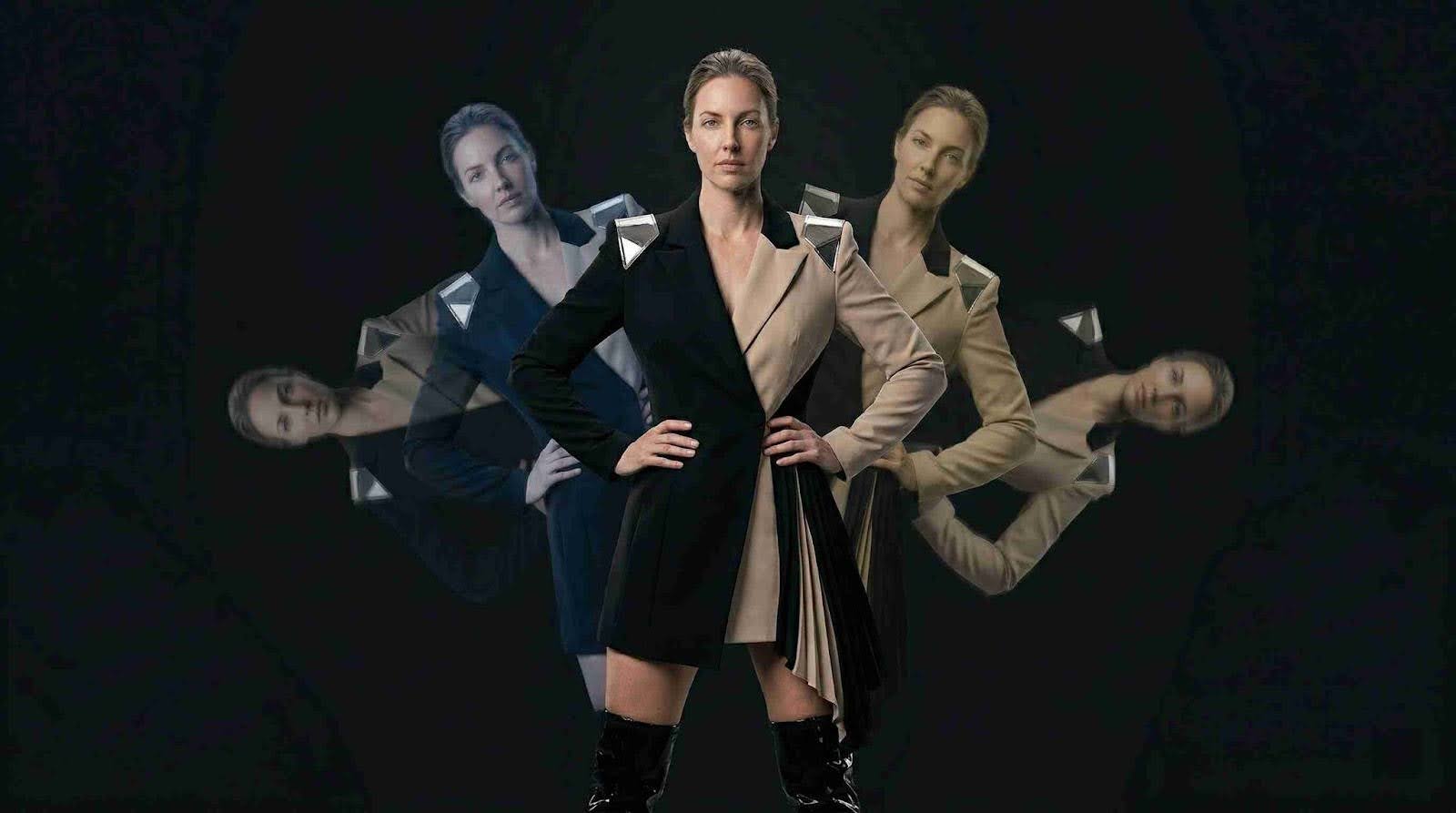
There was a time when novelty was enough.
If a face swap worked even once, it felt impressive. If it looked believable for a few seconds, it was considered successful. Early tools were judged by what they could do, not how reliably they could do it.
That phase is over.
Today, the question is no longer whether a tool can generate a convincing result. It’s whether it can generate that result repeatedly, across different contexts, without breaking.
That shift has quietly redefined what “quality” means.
Novelty Gets Attention, Consistency Builds Trust
Novelty is easy to measure.
You see something new. It surprises you. It stands out.
But novelty is fragile.
It works once, maybe twice. After that, the audience adapts. What once felt impressive becomes expected. And once it becomes expected, it’s no longer a differentiator.
Consistency, on the other hand, behaves differently.
It doesn’t create spikes of attention.
It creates stability.
In visual content, that stability is what builds trust. If every output feels aligned, predictable in quality, and free of noticeable errors, the tool becomes reliable.
And reliability is what professionals care about.
Why Inconsistent Outputs Break Workflows
From the outside, inconsistency might seem like a minor issue.
If one image is slightly off, you fix it.
If another doesn’t work, you regenerate it.
But at scale, inconsistency compounds.
It creates:
- More review cycles
- More manual corrections
- More uncertainty in output quality
The process becomes reactive instead of controlled.
For teams producing content regularly, this is not sustainable.
Consistency is not just about visual quality.
It’s about workflow stability.
The Hidden Cost of Chasing Novelty
Tools that prioritise novelty often focus on:
- Dramatic transformations
- Experimental features
- Edge-case capabilities
These are impressive in demos.
But they introduce unpredictability.
If each output behaves differently, teams can’t build systems around it. They can’t rely on it. They can’t scale with it.
Consistency removes that friction.
It allows teams to:
- Predict outcomes
- Build repeatable processes
- Reduce dependency on manual fixes
That’s why the best tools are shifting focus.
What Consistency Actually Means in Face Swap
Consistency is not just about producing similar results.
It’s about maintaining alignment across multiple dimensions:
- Identity stability
- Lighting coherence
- Texture consistency
- Expression accuracy
If any of these elements varies unexpectedly, the result feels off.
Consistency means these elements behave predictably every time.
The Shift From Experimentation to Infrastructure
This is where the industry is evolving.
Face swap is no longer treated as an experimental feature.
It’s becoming part of production infrastructure.
And infrastructure requires reliability.
If you want to understand what that looks like in practice, exploring how Face Swap performs in a production-oriented environment gives a clearer reference point. Instead of optimizing for one-off impressive results, it demonstrates how outputs can remain stable across different inputs while maintaining visual integrity.
Higgsfield Face Swap reflects this shift by focusing on repeatable quality rather than occasional breakthroughs.
That difference matters more than it seems.
Why Identity Consistency Is the Hardest Problem
Maintaining identity across variations is one of the most complex challenges in visual generation.
A face is not just a static structure.
It changes with:
- Lighting conditions
- Camera angles
- Expressions
- Environmental context
If identity shifts even slightly across outputs, the illusion weakens.
Higgsfield Face Swap addresses this by treating identity as a persistent element rather than a variable output.
This allows:
- Stable character representation
- Reliable brand visuals
- Consistent storytelling
Predictability Enables Creative Freedom
This might sound counterintuitive.
But consistency actually increases creativity.
When outputs are predictable, creators can:
- Experiment with direction
- Test different ideas
- Iterate quickly
Without worrying about whether the tool will behave differently each time.
Higgsfield Face Swap enables this by reducing uncertainty.
The tool becomes a foundation, not a variable.
Why Professionals Care More About Consistency Than Features
For casual users, novelty is exciting.
For professionals, it’s secondary.
What matters is:
- Can this tool deliver the same quality every time?
- Can it be integrated into a workflow?
- Can it scale without breaking?
Higgsfield Face Swap aligns with these priorities by focusing on stability and reliability.
This is what makes it usable beyond experimentation.
The Role of Data in This Shift
This shift toward consistency is not happening randomly.
It reflects broader trends in AI development.
Organizations tracking the evolution of AI, such as Stanford Human-Centered AI Institute, emphasize the importance of measurable progress, reliability, and real-world application in reports like the AI Index.
The focus is moving away from isolated breakthroughs toward systems that perform consistently at scale.
Face swap technology is following the same trajectory.
From “Can It Work?” to “Will It Always Work?”
This is the key transition.
Early tools were judged by possibility.
Modern tools are judged by reliability.
The question has changed from:
- “Can this generate a good result?”
To:
- “Will this generate a good result every time?”
Higgsfield Face Swap operates in this second category.
It’s designed to produce outputs that hold up consistently, not occasionally.
Why Consistency Scales Better Than Novelty
At scale, novelty becomes noise.
If every output is different in unpredictable ways, it becomes harder to maintain quality.
Consistency, on the other hand, compounds.
Each reliable output builds on the previous one.
This creates:
- Stronger brand identity
- More efficient workflows
- Better overall performance
Higgsfield Face Swap supports this compounding effect by maintaining alignment across outputs.
The Subtle Shift Users Don’t Notice
Most users don’t consciously think about consistency.
They just notice when something feels off.
This is why the shift is subtle.
It’s not about dramatic improvements.
It’s about removing small inconsistencies.
Higgsfield Face Swap focuses on these details, which is why the difference becomes noticeable over time rather than instantly.
Why This Matters for the Future of Visual Content
As content volume increases, consistency becomes more important.
Brands need:
- Cohesive visuals
- Reliable output quality
- Scalable production systems
Tools that prioritise novelty alone will struggle to meet these needs.
Tools that prioritise consistency will define the next phase of content creation.
Conclusion
Novelty captures attention.
Consistency sustains it.
In face swap technology, the shift from novelty to consistency marks a transition from experimentation to real-world application.
Higgsfield Face Swap reflects this shift by focusing on reliability, alignment, and repeatable quality.
As expectations continue to rise, the tools that succeed will not be the ones that impress once.
They will be the ones that perform every time.