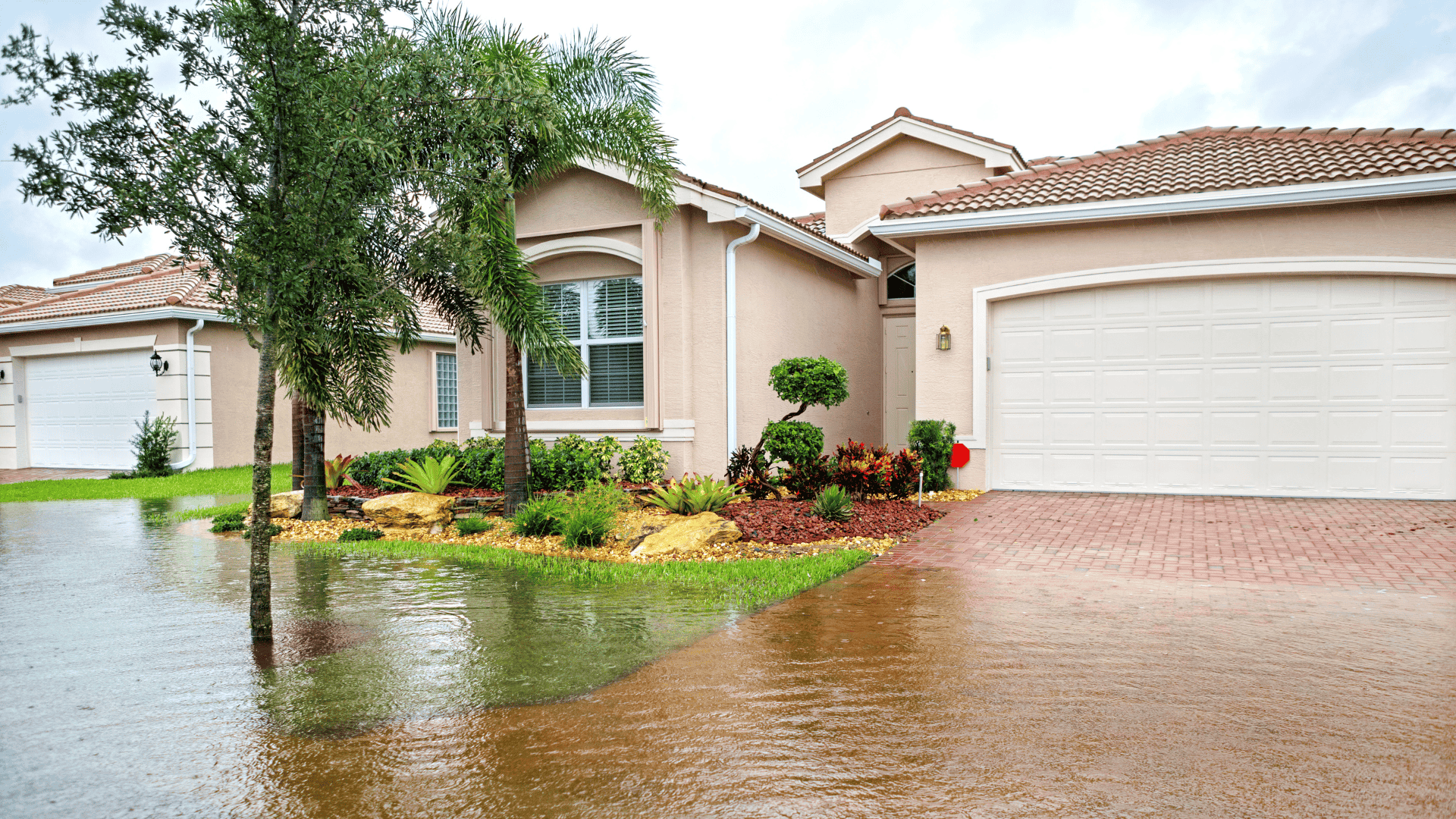
Torrential rain and floods are great dangers to property and safety. Most people don’t recognize the potential harm until it’s too late.
Taking proactive steps and knowing how to protect home from flooding goes a long way in preventing it. If heavy rain out of nowhere pours or waters rise, having the proper plans set up is an immense expense in any case of inconvenience.
Assessing Flood Risk
Learn about flood risk where you live. Check local flood maps, and talk to neighbors who have lived around you for many years. Identifying your property’s risk will enable you to plan appropriately and improve where needed. Additionally, community awareness helps all of us stay vigilant in case of disasters.
Improving Drainage Around the Home
Proper drainage is a major aspect of flood protection. Clean gutters, downspouts, and drains frequently to avoid blockages. Try to keep your drains clear, because leaves and other debris can easily block the water flow and lead to a backup where the water is finding its way into your home. Additional drains—the French drains, gravel trenches, et cetera—are set up to direct the water away from the foundation.
Sealing Entry Points
Water can sneak through any small cracks between the walls and windows, or the doors. When inspecting the property, check for gaps, particularly around windows, doors, and where utilities enter. Seal any gaps with waterproof sealant and better protect any areas more susceptible to leaks or gaps. Frequent inspections discover new vulnerabilities before they become a menace.
Elevating Utilities and Valuables
Elevating electrical outlets, heating systems, and appliances minimizes the destruction if water makes its way into the home. Put valuables and any important documents on higher shelves or in waterproof containers. Raising these items makes them more secure, and it will be easier to put them back after an incident.
Installing Flood Barriers
Sandbags or portable flood panels are only temporary, so they have the benefit of a rapid defense. In the event of large rainfall predictions, place these barriers around doors, garages, and basement windows. For frequently flood-affected properties, permanent options such as raised thresholds or built-in flood barriers can provide more long-term protection.
Landscaping for Water Flow
Landscaping done right will keep water away from a foundation. One preventative measure could be grading the yard to ensure that the ground slopes away from the house and there is no pooling on the foundation. Reduce surface runoff by planting shrubs that absorb water or using permeable paving stones. Stone and mulch beds can likewise slow water down, allowing the soil time to soak up moisture.
Maintaining Sump Pumps
Sump pumps help remove water in homes with basements quickly during a flood. Make sure to test the pump regularly to see if it works. Putting in a battery backup allows the pump to work even when the power goes out, which it often does during storms. Regular maintenance provides reliability when it matters during an emergency.
Creating an Emergency Plan
This kind of preparedness also means having a well-defined safety plan for the family. Everyone should know the safest routes out of the house and the meeting place in case of separation. Store emergency supplies, such as flashlights, bottled water, and first aid kits. Rehearse the plan from time to time so that everyone involved is calm and confident when stressful situations arise.
Reviewing Insurance Coverage
Most homeowner insurance policies do not cover flood damage. Flood insurance is an option for peace of mind. Read through policy details to make sure coverage is comprehensive, particularly in high-risk areas. A photo/video documentation of the property or belongings can make the claim process a lot smoother when the time comes to use it.
Staying Informed
We all know how fast the weather can change, so make sure to always have the latest updates from reliable sources. Register for local alerts and warnings of severe storms or possible flash floods. Keep a close eye on it, especially during heavy rain or snowmelt cycles. Timeliness of information allows families to implement safety protocols.
Conclusion
Flood prevention is a continuous process. There are many little things, like better drainage, sealed openings, and an emergency plan that limit risk. Families can protect their homes, belongings, and bodies from flooding if they continue to stay alert and take preventive measures. Investing the time in minor chores today could save you big bucks—or even your sanity—tomorrow.