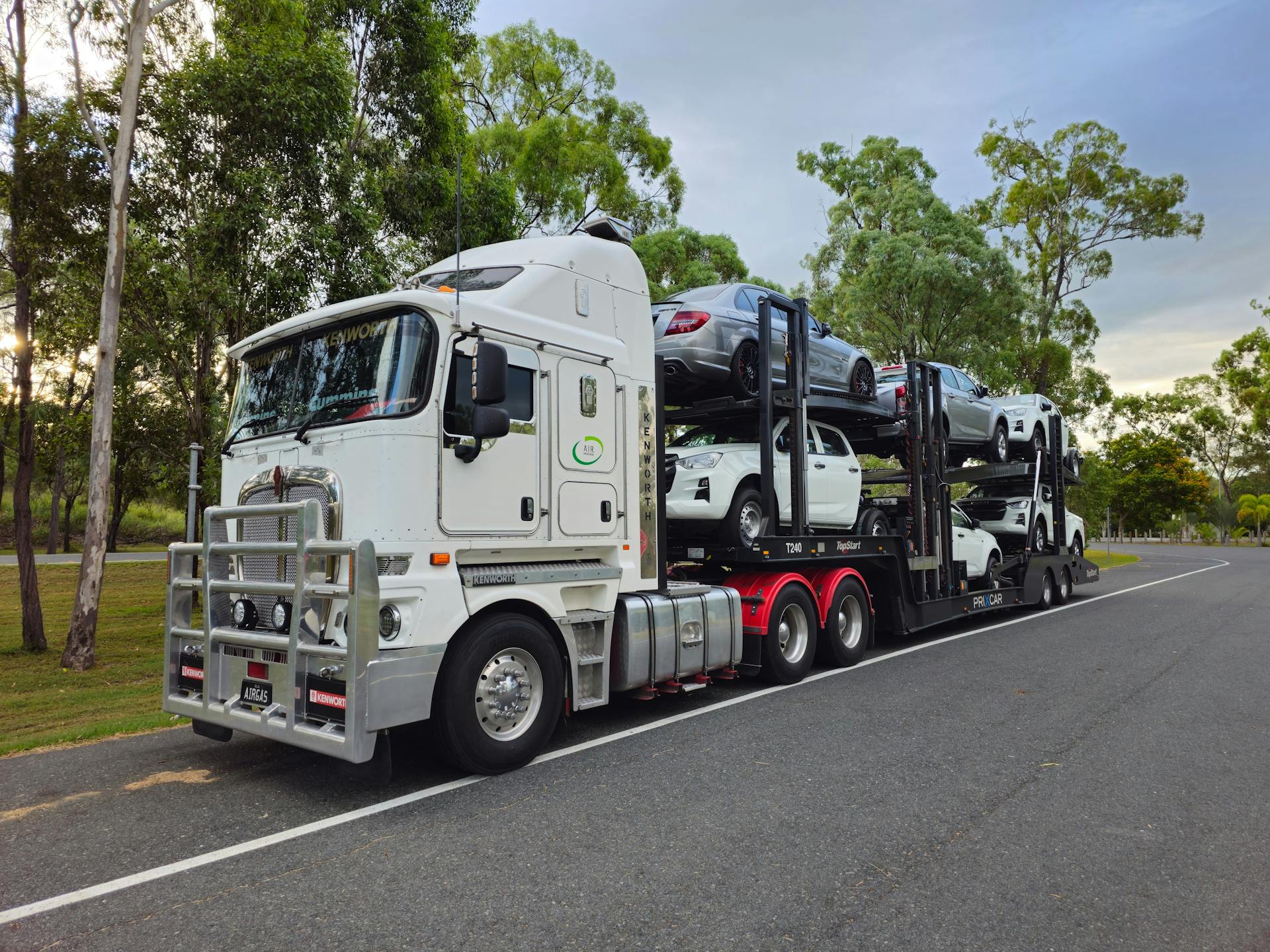
Transporting a modified or specialty vehicle requires extra planning and attention compared to standard car shipping. Whether it’s a lowered sports car, a classic collector vehicle, or a custom-built ride, these vehicles often have unique dimensions, delicate components, or higher values that call for specialized handling. Understanding the right precautions and transport options can help ensure your vehicle arrives safely and in the same condition it left. In this guide, we’ll cover the key steps and considerations for safely shipping modified and specialty vehicles.
Why Modified and Specialty Vehicles Need Extra Care
Vehicles with custom features or high value require additional precautions during transport.
- Lower ground clearance can complicate loading
- Custom parts may be more fragile
- Higher market value increases risk exposure
- Specialized equipment may be required
Choosing the Right Transport Method
Open vs Enclosed Transport
Enclosed transport offers added protection from weather, road debris, and external elements, making it ideal for luxury, classic, or heavily modified vehicles.
Liftgate or Soft-Tie Equipment
Specialized loading equipment helps prevent damage to low-clearance vehicles or delicate suspension components.
Preparing Your Modified Vehicle for Shipping
Document the Vehicle’s Condition
Take detailed photos of exterior, interior, and custom components to create a clear record before shipping.
Secure or Remove Loose Custom Parts
Remove detachable spoilers, splitters, or accessories that could shift during transit.
Check Ground Clearance and Ride Height
Inform the transporter about any modifications that may affect loading angles.
Disable Alarms and Check Battery
Ensure the vehicle can be moved easily during loading and unloading.
Communicating Vehicle Specifications to the Transporter
Providing accurate details helps avoid delays and ensures the right equipment is used.
- Vehicle dimensions and weight
- Type of modifications
- Special handling instructions
- Any operational limitations
Insurance Considerations for Specialty Vehicles
Understanding coverage is essential when shipping high-value vehicles.
- Verify carrier insurance limits
- Consider additional coverage if needed
- Confirm how claims are handled
- Keep documentation of vehicle value
What to Expect During Pickup and Delivery
Knowing the process helps ensure a smooth handoff.
- Detailed inspection with the carrier
- Condition recorded on the Bill of Lading
- Careful loading using appropriate equipment
- Final inspection upon delivery
Common Mistakes to Avoid When Shipping Modified Vehicles
- Not disclosing modifications in advance
- Choosing open transport for high-value vehicles
- Leaving custom parts unsecured
- Skipping condition documentation
- Ignoring insurance coverage details
Benefits of Working With an Experienced Transport Provider
- Access to specialized carriers and equipment
- Better handling of unique vehicle requirements
- Clear communication throughout transit
- Reduced risk of damage or delays
Frequently Asked Questions About Shipping Modified and Specialty Vehicles
Is enclosed transport necessary for modified cars?
It’s recommended for high-value, delicate, or heavily modified vehicles for added protection.
Can lowered cars be shipped safely?
Yes, with proper equipment like liftgates and experienced carriers.
Do modifications affect shipping cost?
They can, depending on size, weight, and handling requirements.
How should I prepare aftermarket parts before shipping?
Remove or secure any loose or fragile components.
Will my vehicle be insured during transport?
Yes, but verify coverage limits and consider supplemental insurance if needed.
Do I need to provide modification details in advance?
Yes, accurate information helps ensure safe loading and transport.
Can classic cars be shipped long distance safely?
Yes, especially with enclosed transport and experienced carriers.
Conclusion: Protect Your Investment With Proper Planning
Shipping a modified or specialty vehicle doesn’t have to be stressful when you take the right precautions. By choosing the appropriate transport method, documenting your vehicle’s condition, and working with an experienced provider, you can ensure your vehicle is handled with the care it deserves. Proper planning and clear communication are key to a safe and smooth transport experience.