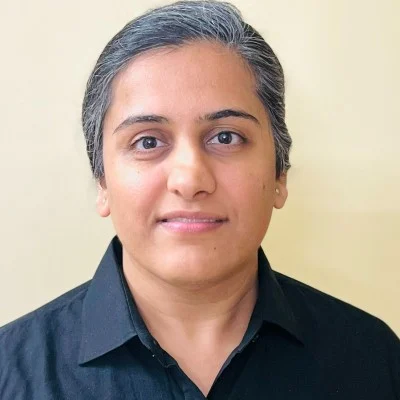
Frank Elsner is a senior safety and leadership executive with a career built on clear thinking, discipline, and practical action. Born in Germany, he moved to Canada as a child in 1965 and grew up in Vancouver and later in Oliver, British Columbia. Early leadership roles and competitive sports helped shape his approach to responsibility, teamwork, and steady progress.
Frank built his career across a wide range of demanding roles that required calm decision-making under pressure. He worked in investigative, intelligence, tactical, and executive environments, gaining a deep understanding of how people and systems perform in real conditions. Over time, he moved into senior leadership positions, where he focused on structure, accountability, and culture rather than complexity.
As a mature student, Frank Elsner returned to university while working full time. He completed a Political Science degree at Lakehead University in three years and later earned a Master of Public Administration from the University of Western Ontario. This combination of frontline experience and academic training strengthened his ability to turn big ideas into workable strategies.
Today, Frank serves as Chief of Safety and Security for the Natural Factors Group of Companies. In this role, he applies a practical, people-focused approach to safety, risk management, and organisational leadership. He is also active in community service and professional organisations. Frank is known for building trust, encouraging clear thinking, and creating systems that work in everyday practice.

Let’s start at the beginning. How did your early life shape your career?
I was born in Germany and moved to Canada in 1965, so adapting to change became normal very early. I grew up in Vancouver and later in Oliver, British Columbia. Sport played a big role in my life. I wrestled competitively and finished second in the province in my weight class. I also played rugby and football. Those experiences taught me discipline and patience. Wrestling especially showed me that progress comes from repetition and focus, not shortcuts.
What drew you towards a career in public safety and leadership roles?
I was always drawn to roles where decisions mattered. Early in my career, I took on assignments that were demanding and sometimes uncomfortable. I worked in investigative and intelligence roles, dive teams, and tactical environments. Each role required a different mindset. Undercover work taught me awareness. Intelligence work taught me restraint. Tactical work taught me teamwork. Those experiences shaped how I think about leadership today.
How did you approach career growth during those years?
I didn’t chase titles. I chased learning. I took on roles others avoided because they forced me to develop new skills. That approach helped me build a broad understanding of how systems work under pressure. Over time, I moved into senior leadership roles where that depth mattered. When you’ve seen how things fail at the ground level, you make better decisions at the top.
You returned to university as a mature student. Why was that important to you?
I went back to school at 32 while working full time. I completed a Political Science degree at Lakehead University in three years. It wasn’t easy, but it changed how I think. Education helped me slow down my thinking and structure ideas more clearly. Years later, I completed a Master of Public Administration at the University of Western Ontario. That gave me a stronger understanding of how policy, leadership, and systems connect.
What lessons from your education carried into your professional life?
The biggest lesson was that ideas mean very little without execution. University gave me language and structure, but real work gave me context. When the two come together, you can build systems that actually function. That balance still guides how I work today.
How did your transition into the private sector influence your thinking?
Moving into the private sector showed me how transferable good leadership really is. The environment is different, but people are still people. Clear communication, trust, and consistency matter just as much. In my current role as Chief of Safety and Security for the Natural Factors Group of Companies, I focus on culture as much as process. Safety only works when people believe in it.
What does leadership look like in practice for you today?
Leadership is about clarity. I rely on simple tools. One is the short debrief. After any significant task, I ask three questions: what worked, what didn’t, and what needs to change. It’s something I learned years ago and still use. It keeps teams aligned and learning.
How do you manage pressure and decision-making?
I believe patience outperforms speed. Many mistakes come from rushing. I also value silence. Leaders don’t always need to fill the space. Often, the most useful information comes when you stop talking and listen.
Are there habits that help you stay focused?
Writing things down by hand is one. I developed that habit during university. It slows your thinking and improves clarity. I also make time for mental resets. For me, motorcycle riding does that. It forces full attention and clears noise.
Looking back, what has contributed most to your career growth?
Consistency. Showing up prepared. Taking responsibility when things don’t go well. Growth rarely comes from big moments. It comes from how you handle small decisions every day.
What advice would you offer professionals building their careers today?
Take the hard assignments. Learn how systems break, not just how they succeed. Build habits that support clear thinking. Over time, that approach creates trust and opens doors.
How do you define success at this stage of your career?
Success is building systems that last and leaving people better prepared than when you found them. If others can make good decisions without you in the room, you’ve done your job.