
Many people ask: Which statement best describes how an investor makes money off debt? For the answer, we should say that debt investing can sound hard at first. Words like bond, interest, and maturity may look confusing. But don’t worry, the main idea is actually very simple.
When you invest in debt, you are not buying a piece of a company as you do with stocks. Instead, you are lending your money to a company or the government. They use your money, and they promise to pay you back.
While they are using your money, they also pay you extra money to say thank you. This extra money is called interest. You usually get this interest again and again (for example, every month or every year). Then, at the end, they give you back your original money too.
In this article, I will explain how investors make money from debt, see simple examples, and understand why many people choose debt investing when they want a steady income and less risk. Whether you are a student, a beginner, or just curious, this guide will help you understand it clearly.
What is Debt Investing?
Debt investing is very simple. It means you lend your money to a company or the government. You are not buying a part of the company as you do with stocks.
Many people ask, “Which statement best describes how an investor makes money off debt?” because the words can sound difficult. But the idea is easy, you lend money, you get extra money back (interest), and later you get your original money back too.
A debt investment happens when an investor lends money to a borrower, such as a government, a company, or another institution. In return, the borrower agrees to pay interest regularly and return the original amount of money (called the principal) at a later time.
The Relationship Between Investor and Borrower
The debt investment relationship is easy to understand:
- The investor is the person who gives the money (lends it).
- The borrower is the person, company, or government that takes the money.
- The borrower pays the investor an additional amount. This extra money is called interest.
- At the end, the borrower returns the original amount, too. This original money is called the principal.
Because of this simple system, it is easy to understand how an investor makes money from debt.
How Does an Investor Make Money Off Debt?
An investor makes money off debt in a very simple way: they lend money to a company or a government. While that borrower is using the money, they pay the investor extra money again and again. This extra money is called interest. Then, when the deal ends, the borrower returns the same money they first lent to the investor. So the investor earns extra money and also gets their original money back, which is why debt investing is often seen as a safer way to earn a steady income.
Read More:
Statement of Retained Earnings
How Debt Investments Generate Income
Debt can pay you in different styles, like fixed income (the same payment each time) or floating income (the payment changes when market rates change). Also, many debt investments can be sold before they end, and if the price is higher than what you paid, you can earn extra profit from that sale. Some debt is safer and pays less, while other debt is riskier and pays more, so investors can choose based on their comfort level. Debt can also help investors balance a portfolio, because it often moves differently from stocks and can reduce big ups and downs. Finally, some debt (like certain government or municipal bonds) may offer tax advantages, which can increase the money you keep after taxes.
Debt Focuses on Income, Equity Focuses on Growth
Debt and equity investments have different goals.
- Debt investments are chosen by people who want a steady income and more safety.
- Equity investments are chosen by people who want their money to grow over time.
Capital appreciation means something becomes worth more than before. This usually happens more with stocks, not with debt investments.
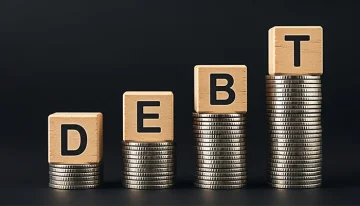
How Investors Make Money from Debt and Equity
There are two main ways people make money from investing:
Debt investing: you lend money and earn interest.
Equity investing: You buy a small part of a company (a stock).
Here is the simple difference:
- Debt: you get interest payments, usually lower risk
- Equity: you can earn money if the stock price goes up, and sometimes through dividends, usually higher risk
How do equity investors make money?
People who buy stocks can make money in two ways:
- They sell the stock for more than they paid
- They receive dividends if the company pays dividends.
How Bonds Help Investors Earn Income
Bonds are the most common type of debt investment. When you buy a bond, you are lending money and earning interest in return.
Every bond has important parts:
- Face value: the money you get back
- Coupon rate: the interest you earn
- Maturity date: when the bond ends
Common Types of Bonds
Investors often buy:
- Government bonds
- Corporate bonds
- Municipal bonds
Each type has different risk levels, interest rates, and tax rules.

Which is true about investment and risk
A simple and true rule in investing is: if you want to make more money, you usually must take more risk. Safer investments usually grow slowly. Riskier investments can grow faster, but you can also lose money.
For example, debt investments are often safer because they pay a steady income, but they usually do not grow much. Stocks can grow, but their prices can go up and down. No investment is 100% safe, so choose investments that feel comfortable to you and do not make you worry too much.
Which Debt Investments are Securities?
Some debt investments are securities, such as:
- Bonds
- Treasury bills
- Notes
- Corporate debt
These can often be bought and sold in markets.
The Role of Governments and Businesses in Debt Investing
Governments and businesses often need to borrow money. For example, a government might need money to build roads or schools. They do this by selling bonds, which are like promises to pay back the money with a little extra (interest). Companies do the same thing if they want to grow or start new projects. They borrow money from investors and promise to pay interest. This way, investors earn interest, and the government or business gets the money they need to fund their projects.
What Affects Stock Prices vs Debt Prices?
Stock prices change because of:
- Company profits
- Investor feelings
- The economy
Debt prices change mostly because of:
- Interest rates
- Credit ratings
- Inflation
This is why many investors use debt to reduce risk.
FAQs
How do debt investors make money?
They earn interest and get their original money back at the end.
How does an investor make money from investments?
Through income (interest or dividends) or price growth.
How do equity investors make money?
By selling shares for more money or earning dividends.
Are dividends guaranteed?
No. Dividends depend on company performance.
Are debt investments safer than stocks?
Usually, yes, but they still have some risk.

Peyman Khosravani is a seasoned expert in blockchain, digital transformation, and emerging technologies, with a strong focus on innovation in finance, business, and marketing. With a robust background in blockchain and decentralized finance (DeFi), Peyman has successfully guided global organizations in refining digital strategies and optimizing data-driven decision-making. His work emphasizes leveraging technology for societal impact, focusing on fairness, justice, and transparency. A passionate advocate for the transformative power of digital tools, Peyman’s expertise spans across helping startups and established businesses navigate digital landscapes, drive growth, and stay ahead of industry trends. His insights into analytics and communication empower companies to effectively connect with customers and harness data to fuel their success in an ever-evolving digital world.