It feels like everywhere you look, there’s talk about AI creating images. Some are pretty cool, others… not so much. But what happens when these AI-made pictures start causing real problems? That’s where ai image detectors come in. They’re becoming a big deal, trying to figure out what’s real and what’s not in this digital world. It’s a bit of a cat-and-mouse game, really, with the tech to make fakes getting better, and the tech to spot them trying to keep up. Let’s break down what these detectors are, how they work, and why they matter.
Key Takeaways
- AI image detectors are tools designed to identify images created or altered by artificial intelligence, a growing necessity in today’s digital media landscape.
- These detectors work by analyzing images for subtle inconsistencies and patterns that are characteristic of AI generation, often using deep learning techniques to improve accuracy.
- The rise of AI-generated content has led to real-world issues, including the spread of disinformation, the creation of nonconsensual content, and potential infrastructure vulnerabilities, making detection methods vital.
- There’s an ongoing ‘arms race’ between AI image generation tools and ai image detectors, with constant advancements on both sides requiring continuous adaptation and improvement.
- Ethical considerations, such as balancing security with freedom of expression and promoting transparency, are important as ai image detectors evolve, aiming to build trust and authenticity in online content.
Understanding the Rise of AI Image Detectors
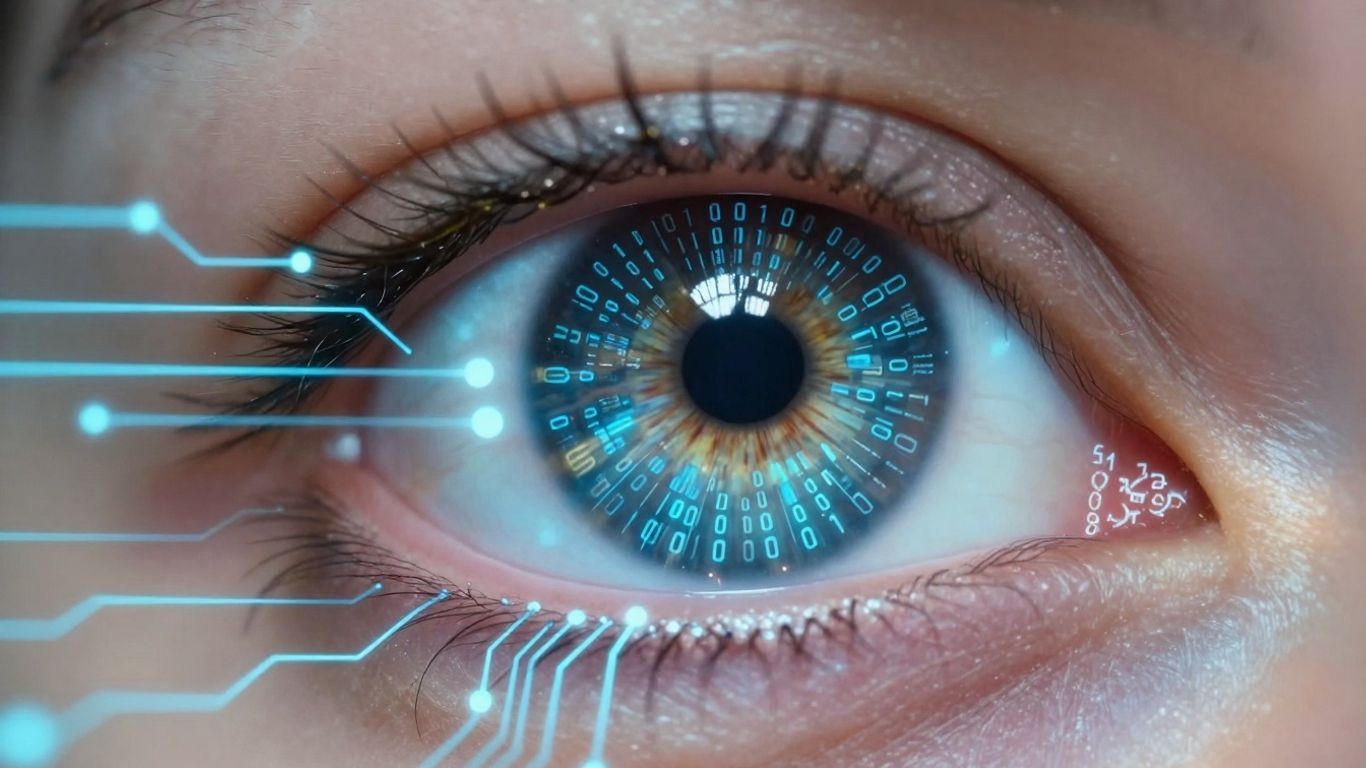
The Evolving Landscape of Digital Media
It feels like just yesterday that seeing a picture online was a pretty straightforward affair. You saw it, you believed it, end of story. But the digital world we live in now? It’s a whole different ballgame. Images and videos are everywhere, shaping how we see everything from news events to our friends’ lives. This constant stream of visual information is powerful, but it’s also become a prime spot for all sorts of trickery. The lines between what’s real and what’s computer-generated have gotten blurrier than a smudged lens.
Why AI Image Detectors Are Becoming Essential
Because of this blurriness, we’re starting to see a new kind of tool pop up: AI image detectors. Think of them as digital detectives, trained to spot when an image isn’t quite what it seems. They’re becoming really important because fake images can cause all sorts of problems. We’re talking about everything from spreading false news to creating fake profiles or even making people believe things that never happened. These detectors are our first line of defense against a flood of potentially misleading visuals. They help bring a bit of certainty back to what we see online.
Navigating the Challenges of Synthetic Content
Dealing with AI-generated images, often called synthetic content, isn’t simple. The technology used to create these images is getting better at an incredible pace. What might have looked obviously fake a year ago can now be incredibly convincing. This makes it tough for both people and even other AI systems to tell the difference.
Here are some of the main hurdles:
- Sophistication: AI can now create images that mimic real-world details with remarkable accuracy, making them hard to spot.
- Speed of Development: New AI generation techniques emerge constantly, meaning detection methods have to play catch-up.
- Scale of Use: The ease with which these tools can be used means a huge volume of synthetic content can be produced quickly.
The challenge lies in the fact that the very AI that creates these images is also being used to detect them. It’s a constant back-and-forth, with each side trying to outsmart the other. This means detection tools need to be smart, adaptable, and always learning.
It’s a complex situation, and that’s exactly why understanding how these detectors work and why they’re needed is so important right now.
How AI Image Detectors Work
So, how exactly do these AI image detectors do their thing? It’s not magic, though it might seem like it sometimes. At its core, detection relies on spotting the subtle tells that AI generators might leave behind. Think of it like a detective looking for fingerprints or a misplaced item – these digital tools are trained to find inconsistencies that a human eye might miss.
The Science Behind Detection Algorithms
These systems often use deep learning, a type of artificial intelligence that allows computers to learn from data. They’re fed massive datasets containing both real images and AI-generated ones. By analyzing these examples, the algorithms learn to identify patterns and anomalies characteristic of synthetic content. The goal is to build a model that can generalize, meaning it can spot fakes even if they were created using methods it hasn’t seen before. This involves complex mathematical processes, but the outcome is a tool that can distinguish between what’s real and what’s not.
Identifying Subtle Inconsistencies
AI-generated images can sometimes have tiny flaws. These might include unnatural lighting, odd textures, or strange repetitions. Detection algorithms are trained to look for these specific types of errors. For instance, they might analyze the pixel data for unusual statistical properties or examine how elements within the image relate to each other. Some methods even look at how the image was compressed, as AI generation can sometimes leave a unique digital footprint. It’s all about finding those digital breadcrumbs that betray the image’s artificial origin.
Leveraging Deep Learning for Accuracy
Deep learning models, particularly convolutional neural networks (CNNs), are very good at image analysis. Researchers are constantly refining these models. Some approaches aggregate features from different layers of a network, capturing a wider range of visual information. Others use pairwise learning, comparing images to better spot discrepancies. The effectiveness often depends on the quality and diversity of the training data. For example, a model trained on a wide variety of AI generation techniques will likely perform better in the wild. The ongoing development in this area is crucial for staying ahead of increasingly sophisticated AI generation tools, and it’s a field that benefits from robust cloud security measures.
The challenge lies in the constant evolution of AI generation. As soon as a detection method becomes effective, new AI techniques emerge that can bypass it. This creates an ongoing cycle of innovation in both creation and detection.
Here’s a simplified look at the process:
- Data Input: Real and AI-generated images are fed into the system.
- Feature Extraction: The algorithm identifies key characteristics and patterns within the images.
- Pattern Recognition: It compares these features against its learned knowledge of real vs. fake.
- Classification: The system outputs a probability score indicating whether the image is likely real or synthetic.
This process is iterative, with models continuously updated and retrained to improve their accuracy and adapt to new forms of digital deception.
Real-World Impacts and Case Studies
It’s easy to talk about AI-generated images in theory, but seeing how they actually affect people and systems is something else entirely. We’ve already seen some pretty wild examples, and unfortunately, they’re not always harmless.
Disruptions Caused by False AI Imagery
Sometimes, fake images can cause real-world problems, even if no one meant for them to be malicious. Take the case of a supposed AI-generated image showing a collapsed railway bridge in Northern England. After an earthquake, this picture circulated, and train services were actually stopped while Network Rail checked the bridge. Turns out, the bridge was fine, but the hoax caused delays for a lot of passengers and freight. It shows how easily fake content can lead to costly disruptions and wasted resources.
The Threat of Nonconsensual AI Content
One of the most disturbing uses of AI image generation is creating nonconsensual explicit content. Tools that can generate these images are still out there, and they’re quite profitable. Millions of people access these services, often advertised on mainstream platforms. This isn’t just about privacy; it’s about the real harm caused to individuals whose likeness is used without their permission. Tackling this requires a coordinated effort to shut down the tools and disrupt the systems that support them.
Examining Infrastructure Vulnerabilities
Beyond specific incidents, the rise of AI-generated content exposes vulnerabilities in our digital infrastructure. Think about how quickly information spreads online. If a convincing fake image or video appears, it can influence public opinion, stock markets, or even political events before the truth can catch up. This speed and reach mean that systems designed to verify information are constantly being tested. We need better ways to quickly identify and flag synthetic media to prevent widespread confusion or manipulation.
The ease with which AI can create realistic-looking images means that our ability to trust what we see online is being challenged. This isn’t just a technical problem; it’s a societal one that requires us to be more critical consumers of digital information and to develop stronger defenses against deception.
Here are a few examples of how AI-generated content has caused issues:
- Reputation Damage: Celebrities like Emma Watson and Natalie Portman have had their faces used in fake explicit content, causing distress and reputational harm. The lack of easy detection methods in some cases has made it difficult to combat these attacks.
- Legal Challenges: In one instance, a mother was accused of creating deepfake videos of her daughter’s teammates to intimidate them. However, the difficulty in proving the use of deepfakes led to the case being dismissed, highlighting the legal hurdles.
- Disinformation Campaigns: Fake images can be used to spread false narratives, influencing public perception during sensitive times, like conflicts or political events. The speed at which these images can go viral makes them a potent tool for those seeking to mislead.
The Arms Race: AI Generation vs. Detection
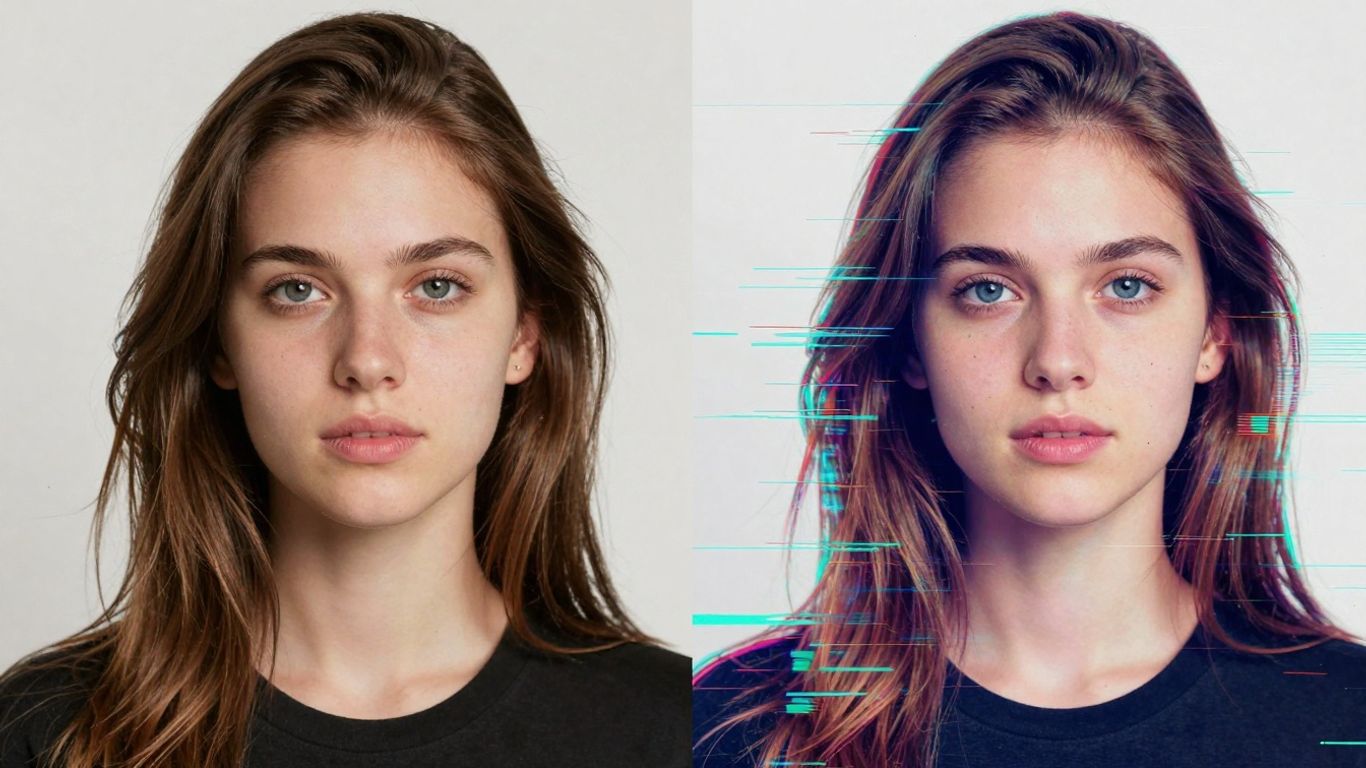
It feels like every week there’s something new in the world of AI images. Just when you think you’ve got a handle on how things are made, a new tool pops up that can create even more convincing fakes. This constant back-and-forth between AI image creators and the people trying to spot them is what we’re calling the ‘arms race’. It’s a bit like a game of cat and mouse, but with much higher stakes.
Advancements in Deepfake Generation
We’re seeing AI models get better at making images and videos that are incredibly hard to tell apart from real ones. These aren’t just simple edits anymore; we’re talking about entirely fabricated scenes that look completely plausible. Think about how foreign actors might use these tools to spread false information during elections or to stir up trouble. It’s not just about making funny pictures; it’s about influencing opinions and potentially causing real-world problems. Some reports even talk about "AI slop" – tons of low-quality, AI-generated content designed to flood online spaces and make it harder to find the truth. It’s a strategy to just overwhelm us with so much noise that trust erodes.
The Need for Robust Detection Methods
Because the generation side is moving so fast, the detection side has to keep up. This means researchers and companies are constantly working on new ways to identify AI-generated content. It’s not easy, though. The AI models that create images are always learning and changing, so detection methods need to be updated just as quickly. We need tools that can spot the subtle digital fingerprints left behind by AI, even when the fakes are really good.
- Identifying subtle digital artifacts: AI generators can sometimes leave behind tiny, almost invisible patterns or inconsistencies that detectors can look for.
- Analyzing inconsistencies in physics or logic: Sometimes AI images might show things that don’t quite make sense, like weird lighting or impossible object interactions.
- Tracking the source or model used: If we can figure out which AI model made an image, it might help in identifying it.
Adapting to New Manipulation Techniques
This whole situation means we can’t just rely on one type of detection. As soon as a new way to spot fakes is developed, the AI creators might find a way around it. It’s a continuous cycle. For example, we’ve seen AI used to create fake images of events that didn’t happen, causing real-world disruptions like unnecessary safety checks on infrastructure. Then there’s the really concerning stuff, like AI tools that can create nonconsensual explicit images of people. The challenge is that these AI tools are becoming more accessible, making it easier for more people to create harmful content. We need to be ready for whatever comes next, and that means ongoing research and development in detection technology.
The speed at which AI image generation is advancing presents a significant challenge. Detection methods must evolve rapidly to counter new manipulation techniques, otherwise, the gap between creation and identification will widen, making it harder to maintain trust in digital media.
It’s a complex problem, and it’s clear that simply relying on AI companies to police themselves might not be enough. We’re seeing a need for more coordinated efforts, better regulations, and a public that’s more aware of the potential for digital deception.
Ethical Considerations and Future Directions
Balancing Security and Freedom of Expression
The rapid advancement of AI image generation brings with it a complex web of ethical questions. As we develop more sophisticated tools to detect synthetic content, we must also consider the potential impact on legitimate forms of expression. It’s a delicate balance: how do we protect against malicious deception without stifling creativity or inadvertently censoring harmless content? Finding this equilibrium is perhaps the most significant challenge we face. For instance, artistic styles that mimic AI generation could be flagged incorrectly, or parody and satire might be misinterpreted. We need systems that are precise enough to catch deception but flexible enough to allow for human expression.
The Role of Transparency and Accountability
As AI image detectors become more integrated into our digital lives, understanding how they work and who is responsible for their outcomes is paramount. Transparency in how these detection algorithms are built and deployed can help build trust. When a piece of content is flagged, knowing why can be just as important as the flagging itself. Accountability also comes into play; if a detector makes a mistake, who is responsible for the consequences? This is especially true when these tools are used in sensitive areas like news reporting or legal contexts.
Collaborative Efforts in AI Safety
No single entity can solve the challenges posed by AI-generated imagery alone. The future of AI safety, including the effectiveness of image detectors, relies on broad collaboration. This involves:
- Researchers: Continuing to push the boundaries of detection technology while also studying its societal impacts.
- Developers: Building AI tools with safety and ethical considerations from the ground up.
- Platforms: Implementing detection tools responsibly and providing clear policies.
- Policymakers: Creating thoughtful regulations that address the risks without hindering innovation.
- The Public: Staying informed and developing critical media literacy skills.
The ongoing development of AI image generation and detection is akin to an arms race. As one side advances, the other must adapt. This necessitates a proactive and adaptive approach to AI safety, focusing not just on current threats but also on anticipating future ones. Continuous innovation, open dialogue, and a shared commitment to ethical development are key to navigating this evolving landscape responsibly.
The Evolving Role of AI Image Detectors
AI image detectors are no longer just a niche tool for cybersecurity experts; they’re becoming a standard part of our digital lives. As AI-generated images get more realistic, these detectors are stepping up to help us sort out what’s real from what’s not. It’s a bit like a digital arms race, where new ways to create fake images are met with smarter ways to spot them.
Enhancing Digital Authenticity
One of the main jobs of these detectors is to help confirm that an image is what it claims to be. Think about news photos or historical records – we need to trust that they haven’t been tampered with. Detectors can flag images that show signs of AI manipulation, like odd lighting, strange textures, or inconsistencies that a human eye might miss. This helps keep the information we see online more truthful.
Protecting Against Misinformation
We’ve all seen how fake images can spread quickly online, causing confusion or even harm. AI image detectors play a big part in stopping this. By identifying and flagging AI-generated content that’s being used to spread false stories or propaganda, these tools can help slow down the spread of misinformation before it causes too much damage. It’s about building a more reliable online environment for everyone.
Building Trust in Online Content
Ultimately, the goal is to make people feel more confident about the images they encounter online. When people know that tools are in place to check for fakes, it can increase their trust in digital media. This is important for everything from social media to official communications. As the technology gets better, we can expect AI image detectors to be a key part of maintaining a trustworthy digital space.
Looking Ahead: The Evolving Landscape of AI Image Detection
So, where does all this leave us? AI image detection is definitely not a finished story. It’s like a constant game of cat and mouse. As AI gets better at making fake images, the tools to spot them have to get smarter too. We’ve seen how these detectors can help, but they’re not perfect. Things like the BBC’s report on the fake bridge incident show how real-world disruptions can happen, and the ongoing issue with nonconsensual image generators highlights the persistent challenges. Companies like Google are trying to build in safeguards, but as the CCDH report points out, there’s still a gap between what’s promised and what’s delivered. The research into new methods, like multimodal analysis and self-supervised learning, shows that people are working hard on this. But it’s clear that we need more than just technology. We need better awareness from everyone, and clear rules about how AI is used. The fight against digital deception is ongoing, and staying informed is our best defense.
Frequently Asked Questions
What exactly are AI image detectors, and why do we need them?
AI image detectors are like digital detectives that help us figure out if a picture was made or changed by a computer using artificial intelligence. We need them because it’s getting easier to create fake images that look real, which can be used to spread false information or trick people. These detectors help us spot these fake images so we can trust what we see online more.
How do these AI image detectors actually work?
These detectors use smart computer programs, often called algorithms, that have been trained to notice tiny clues. Think of it like a detective looking for fingerprints or odd details. They look for things that don’t quite add up in an image, like weird lighting, strange patterns, or unnatural edges that AI might create. By learning from tons of real and fake images, these programs get better at spotting the fakes.
Can you give an example of how fake AI images have caused problems?
Yes, there have been cases where fake AI images caused real trouble. For instance, a fake picture of a damaged bridge after an earthquake made people stop trains to check for safety, even though the bridge was fine. This caused delays and wasted resources. Another worry is when AI is used to create fake, inappropriate pictures of people without their permission, which can be very harmful.
Is it a constant battle between AI that makes fake images and AI that detects them?
It really is! It’s like an ongoing race. As AI tools get better at creating more convincing fake images (like deepfakes), the tools that detect them also have to get smarter and faster. Developers are always working on new ways to detect the latest tricks that AI generators use, and the generators keep finding new ways to fool the detectors.
What are the ethical issues with AI image detectors?
One big question is how to use these detectors without accidentally blocking real images or limiting people’s freedom to share their thoughts and art. We also need to make sure the companies making these tools are honest about how they work and take responsibility if they make mistakes. It’s about finding a balance between keeping things safe and respecting people’s rights.
What’s the future for AI image detectors?
The goal is to make these detectors even better at spotting fakes, helping to make the internet a more trustworthy place. They can help stop the spread of lies and protect people from being fooled. By making it easier to know what’s real and what’s not, we can build more trust in the information and images we encounter online every day.