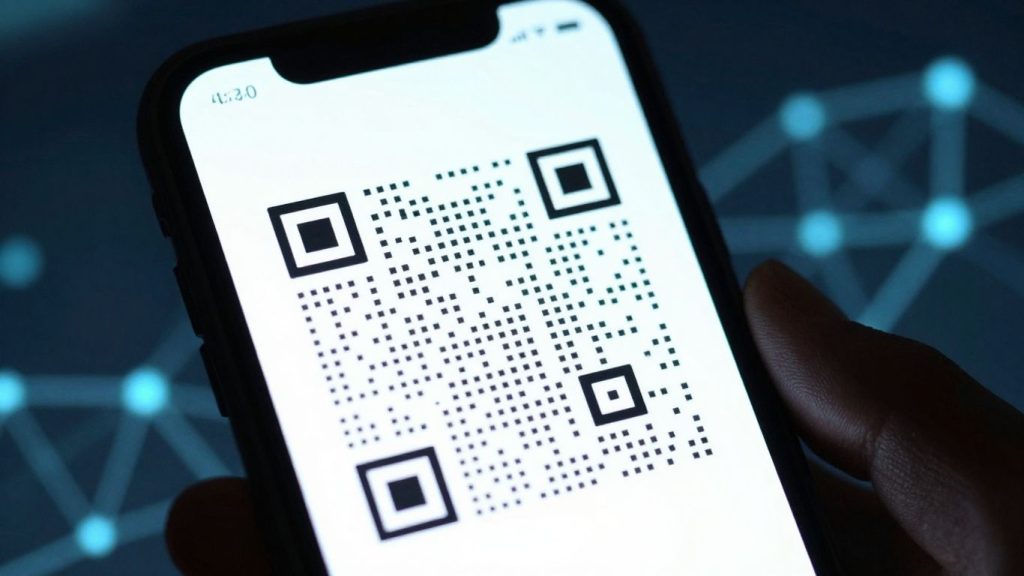
In the fast-paced world of digital finance, managing your cryptocurrency can sometimes feel like a puzzle. Thankfully, technology is making things simpler. One tool that’s really changing the game is the blockchain wallet qr code. It’s a small square that holds a lot of power, making it easier to send and receive digital money without all the usual hassle. This guide will show you how this simple visual code works and why it’s becoming so important for anyone involved with digital assets.
Key Takeaways
- A blockchain wallet qr code is a visual shortcut for your crypto address, making it simple to share and receive funds.
- Using QR codes speeds up transactions a lot because you don’t have to type in long addresses, which also cuts down on mistakes.
- Sharing your wallet’s QR code is safe because it only shows your public address, not your private keys.
- QR codes make paying across borders much easier and can help businesses reach more customers.
- The technology behind blockchain wallet qr codes is always getting better, promising even simpler and more useful payment methods in the future.
Understanding Your Blockchain Wallet QR Code
What Is a Blockchain Wallet QR Code?
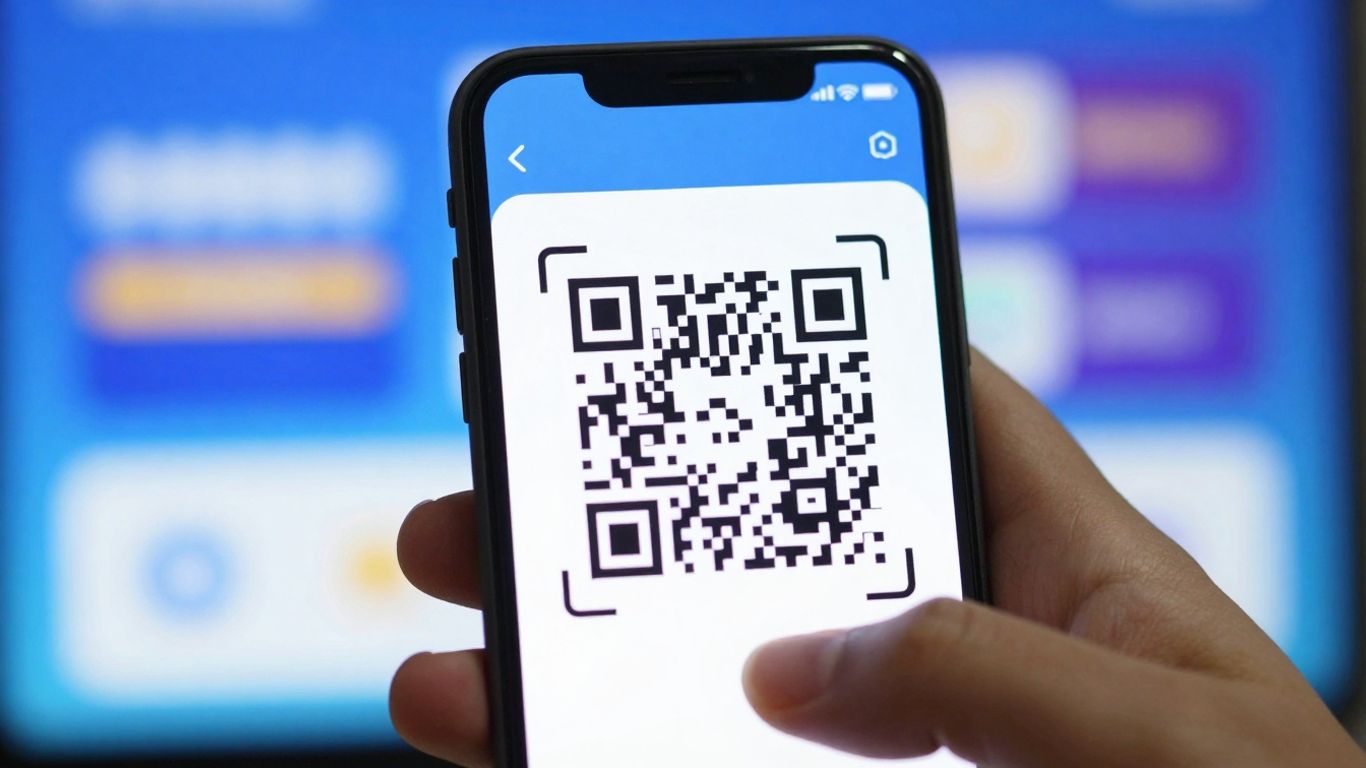
A blockchain wallet QR code is essentially a visual shortcut for your cryptocurrency address. Think of it like a digital business card for your wallet. Instead of a long, complicated string of letters and numbers that represents your unique address, a QR code is a square pattern that a device can scan to instantly read that information. It’s a way to make sharing your receiving address much quicker and less prone to mistakes.
The Visual Representation of Your Address
Every cryptocurrency wallet has a public address. This address is what people need to send you crypto. It looks like a random mix of characters, and it’s easy to make a typo if you try to type it out. The QR code is just a graphical way of showing that exact same address. When someone scans your QR code with their phone or wallet app, it automatically fills in your address for them. This is super handy, especially when you’re trying to receive funds in person or if the sender is using a mobile device.
Here’s a simple breakdown of what you’re looking at:
- Wallet Address: The actual text string (e.g.,
1A1zP1eP59...). This is the destination for your crypto. - QR Code: The scannable square image. It contains the same wallet address information.
The golden rule is to never manually type out a wallet address. A single wrong character can send your funds to the wrong place, and once sent, they’re usually gone for good.
Why QR Codes Enhance Transaction Speed
Manual entry of wallet addresses is slow and risky. People often mix up similar characters like ‘0’ and ‘O’, or ‘1’ and ‘l’. This leads to errors and lost funds. QR codes bypass this entirely. When someone needs to send you crypto, they can simply open their wallet app, select the option to send, and then scan your QR code. The app reads the address instantly, and they can then input the amount. This process takes seconds, compared to the minutes it might take to carefully type and double-check a long address. It makes the whole experience smoother for both parties involved in the transaction.
Effortless Transactions with QR Codes
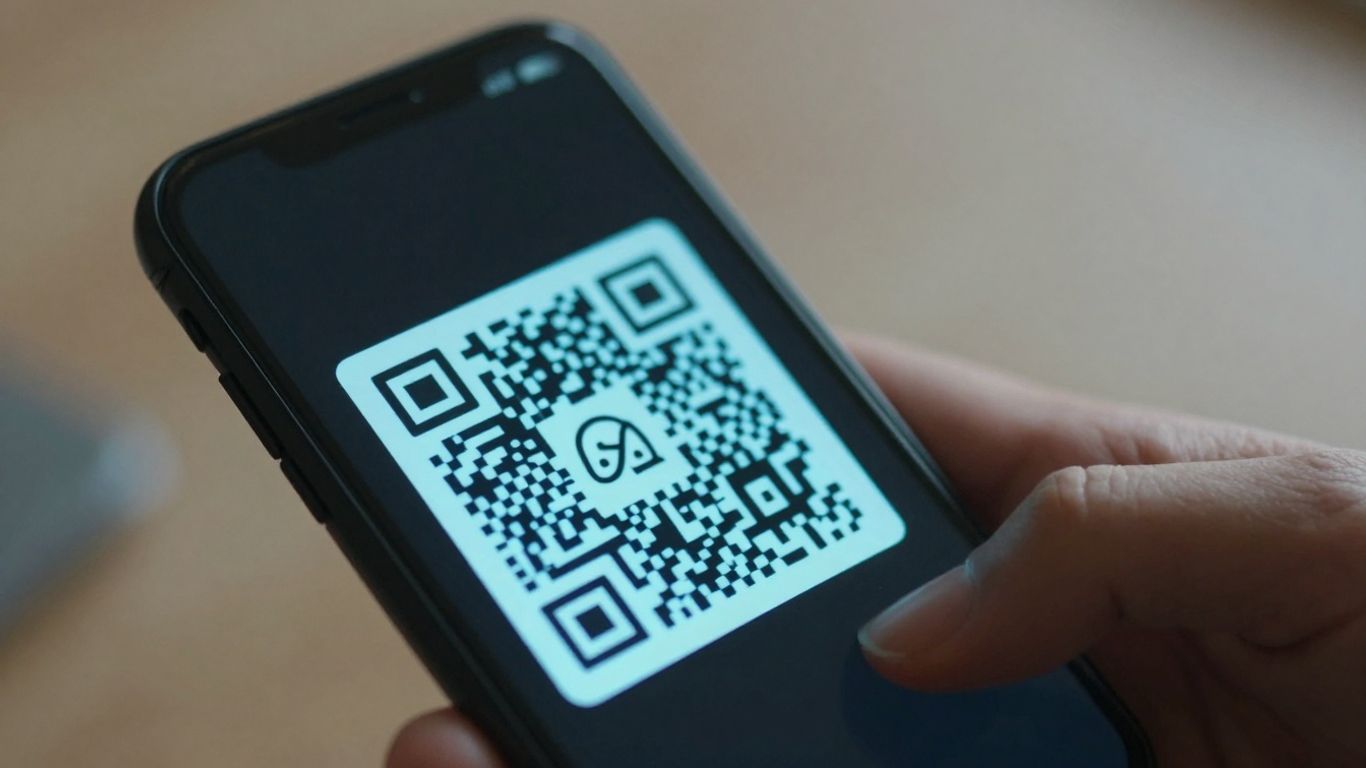
Forget the days of typing out long, complicated wallet addresses. Blockchain wallet QR codes are here to make sending and receiving digital currency as simple as a quick scan. This technology takes the guesswork out of transactions, turning what used to be a multi-step process into something that can be done in seconds. It’s about making the digital currency experience more accessible to everyone, regardless of their technical background.
Simplifying Crypto Payments
Manual entry of wallet addresses is slow and risky. People often mix up similar characters like ‘0’ and ‘O’, or ‘1’ and ‘l’. This leads to errors and lost funds. QR codes bypass this entirely. When someone needs to send you crypto, they can simply open their wallet app, select the option to send, and then scan your QR code. The app reads the address instantly, and they can then input the amount. This process takes seconds, compared to the minutes it might take to carefully type and double-check a long address. It makes the whole experience smoother for both parties involved in the transaction.
Seamless In-Person Transactions
Imagine you’re at a local market or a small shop that accepts cryptocurrency. Instead of fumbling with your phone to find your public address, the merchant simply displays a QR code. You open your wallet app, scan the code, confirm the amount, and the payment is sent. It’s that straightforward. This method is particularly useful for quick, on-the-spot purchases, cutting down on the time spent at the checkout. This is especially helpful when the sender is using a mobile device or when receiving funds in person.
Avoiding Manual Entry Errors
One of the biggest headaches with cryptocurrency transactions is the potential for typos. A single incorrect character in a wallet address can mean your funds go to the wrong place, and often, there’s no getting them back. QR codes eliminate this risk entirely. By scanning a code, you’re importing the exact address, removing the possibility of human error. This accuracy is a huge win for both senders and receivers.
Here’s a quick look at how QR codes streamline the process:
- Sender: Opens wallet app, selects ‘send’, scans the recipient’s QR code.
- Wallet: Automatically populates the recipient’s address and the transaction amount.
- Sender: Reviews details, confirms the transaction, and sends.
- Recipient: Receives funds instantly, with no manual address input required.
The visual nature of QR codes provides a tangible link between the digital address and the physical act of payment, making the process feel more concrete and less prone to mistakes.
Security and Privacy Features
Protecting Your Funds with QR Codes
When you use a QR code to send or receive cryptocurrency, you’re essentially using a visual shortcut for your public address. This might seem simple, but it plays a role in keeping your digital assets safe. By not having to manually type out long, complex addresses, you reduce the chance of sending funds to the wrong place. A mistyped address in a manual transaction is a one-way ticket for your crypto – gone forever. QR codes help avoid this common pitfall. The QR code itself doesn’t contain any private keys; it only displays your public address. This means scanning a QR code to send funds doesn’t expose your wallet’s secret information.
The Role of QR Codes in Privacy
While QR codes primarily display your public address, which is meant to be shared, they can indirectly support privacy. When you generate a new QR code for each transaction, you’re essentially using a fresh address. This practice, known as address reuse avoidance, makes it harder for transaction analysis tools to link multiple transactions back to a single individual. Think of it like using a different mailbox for each letter you send out – it makes tracking your correspondence more difficult.
Generating New Addresses for Transactions
Many modern crypto wallets have a feature that automatically generates a new receiving address for each transaction. When you request to receive funds, the wallet presents a new QR code. This is a good security practice. Here’s why:
- Reduces Transaction Linking: Each new address makes it harder to trace your entire transaction history.
- Minimizes Exposure: If an address is compromised or flagged for some reason, it only affects that specific transaction.
- Enhances Anonymity: By not reusing addresses, you make it more challenging for others to build a profile of your crypto activity.
Using a fresh QR code for each incoming transaction is a simple yet effective way to add a layer of privacy and security to your crypto dealings. It’s a small step that can make a big difference in protecting your financial footprint in the digital space.
Practical Applications of QR Codes
QR codes are really changing how we handle money, especially when it comes to sending it across borders. It’s not just about convenience anymore; it’s about making global commerce feel a lot more local and straightforward.
Cross-Border Payments Made Easy
Sending money internationally used to be a hassle, involving high fees and long waits. Now, with blockchain wallet QR codes, you can pay someone in another country with just a quick scan. This is a huge help for people sending money to family abroad or for businesses that work with international suppliers. It cuts down on costs and gets the money there much faster than traditional bank wires or currency exchange.
This simple visual tool is making global commerce more accessible than ever before.
Here’s how it helps:
- Individuals: Easily send remittances to family members without dealing with complex bank forms or high fees.
- Businesses: Pay international suppliers or freelancers quickly, improving cash flow and supplier relationships.
- Travelers: Make purchases abroad using your digital wallet, often with clear exchange rates shown upfront.
The Evolving Landscape of Digital Wallets
Digital wallets are growing beyond just storing crypto. They’re becoming central hubs for all sorts of financial activities. The ability to scan and use QR codes is a big part of this change. Future wallets might let you:
- Make instant international payments with very low fees.
- Get loyalty rewards directly from QR code transactions.
- Securely verify your identity for transactions without sharing too much personal data.
These codes are becoming more than just a way to ask for payment; they’re turning into tools that can start bigger actions in the blockchain world, like running smart contracts or managing digital assets. This means more uses and more convenience for everyone.
The QR code on your blockchain wallet is becoming a powerful gateway to many different financial activities. It’s simplifying complex processes and making digital finance more approachable for a wider audience.
Innovations in QR Payment Technology
We’re seeing QR codes get smarter. They’re not just static images anymore. They can hold more information, adapt to different payment situations, and even work with smart contracts. Imagine QR codes that automatically apply discounts or check your identity before you even pay. This advanced capability comes from better ways of encoding and reading data, making payments faster and more secure. Some systems are even looking at QR codes that can handle regular payments or split bills automatically, reducing the need for manual steps.
Navigating Potential Challenges
While blockchain wallet QR codes make things much simpler, it’s not always smooth sailing. There are a few bumps in the road that can pop up, and it’s good to know about them so you’re not caught off guard. Getting past these issues is what helps everyone feel more confident using this technology.
Addressing Interoperability Hurdles
One of the main headaches is getting different systems to play nice with each other. Think about trying to pay someone with a QR code, but their scanner just won’t read it because it’s from a different blockchain or uses a slightly different code structure. This can really slow things down and cause frustration. Different countries or even different wallet apps might have their own way of doing things, which can lead to payments not going through or needing manual fixes. People are working on common standards, like EMVCo, to help these systems communicate better. Some places are even testing out unified QR code formats so merchants can easily accept payments from people using different apps or coming from different countries.
Ensuring Security and Preventing Scams
Security is always a big deal with any kind of digital money. QR codes themselves are pretty safe, but how people use them can sometimes create openings for tricksters. Scammers might try to get you to scan a fake QR code that leads to a phony website designed to steal your private keys or personal financial details. It’s also possible for someone to create a QR code that looks real but actually points to a different address than you expect, meaning your funds could end up in the wrong hands. Always take a moment to double-check the destination address shown on your screen after scanning a QR code, right before you confirm the transaction.
Building Trust in Digital Transactions
For many people, especially those new to crypto, the whole idea of digital wallets and QR codes can seem a bit complicated. To build trust, these systems need to be easy to understand and use. It’s about making the experience feel familiar and safe, not like you need a computer science degree to figure it out. When people can easily use QR codes for payments without confusion or worry, they’re much more likely to keep using them and tell others about it. This gradual building of confidence is key for wider acceptance.
The path to widespread use of blockchain wallet QR codes involves more than just the technology itself. It requires a concerted effort to make systems compatible, protect users from malicious actors, and create an intuitive experience that fosters confidence among all participants.
The Future of Blockchain Wallet QR Codes
Increasing Global Adoption
The sheer convenience of QR codes is a major reason they’re becoming so popular worldwide. As more people get their hands on smartphones, it becomes much easier for them to get involved in digital payments. This is especially helpful in places where traditional banks aren’t as common. Think about unified payment platforms that are starting to combine different financial services. They’re bringing together QR payments, digital wallets, and open banking into one system. This makes things simpler for both people buying things and businesses selling them. It means you might not need a bunch of different apps or cards anymore, which really smooths out payments when you’re sending money across borders.
The Evolving Landscape of Digital Wallets
Digital wallets are changing from just places to keep your crypto to full-on financial centers. The ability to scan QR codes is a big part of this change. In the future, wallets could do more, like:
- Allow instant payments to anyone, anywhere, with very low fees.
- Include loyalty programs that give you rewards directly from QR code payments.
- Handle identity checks in a secure, decentralized way, so you don’t have to share too much personal info.
It’s clear that QR codes are moving beyond just asking for a payment. They’re becoming flexible tools that can start complex actions in the blockchain world, from running smart contracts to managing digital items. This means more uses and easier experiences for everyone.
Future Innovations in Payment Technology
We’re starting to see QR codes that are smarter and can do more. They’re not just simple pictures anymore; they can hold more data, change based on the payment situation, and even work with smart contracts. Imagine QR codes that automatically give you a discount or check who you are before you even pay. This kind of advanced tech is being developed by improving how data is stored and read, making payments quicker and safer. Some systems are even looking at QR codes that can handle regular payments or split bills automatically, cutting down on manual work.
The QR code on your blockchain wallet is likely to become an even more powerful gateway to a wide range of financial activities in the years to come, moving beyond simple transactions to enable more complex interactions within the digital economy.
Looking Ahead with QR Codes
So, we’ve covered how QR codes really simplify sending and receiving crypto. It’s all about making things easier for everyone, whether you’re new to this or have been around for a while. Using these visual codes cuts down on typing mistakes and speeds up your transactions. Just remember to always double-check what you’re doing, use the copy function when you can, and stay aware of security. This technology isn’t going anywhere; in fact, it’s likely to become even more common. Getting comfortable with it now is a smart move for managing your digital money.
Frequently Asked Questions
What is a QR code for a blockchain wallet?
Think of a QR code for your blockchain wallet as a special picture that holds your wallet’s address. Instead of showing a long, complicated web address, this picture is a shortcut. When someone scans it with their phone, it automatically gives their phone your wallet address so they can send you digital money.
Why do people use QR codes for sending crypto?
QR codes make sending digital money much faster and easier. People don’t have to type out long addresses, which can lead to mistakes. Scanning a QR code is quick and accurate, helping to prevent errors and speed up the whole process of sending and receiving payments.
Is it safe to share my wallet’s QR code?
Yes, it is generally safe to share your wallet’s QR code because it only shows your public address, which is like your bank account number. It does not reveal your private keys, which are needed to access and spend your money. However, always be careful who you share it with, just like you would with any personal information.
Can I use QR codes for payments when I travel?
Absolutely! QR codes are great for paying in different countries. They help avoid confusion with different money types and make transactions quick. Many places around the world now accept QR code payments, making international shopping much simpler.
What should I do if I accidentally scan a suspicious QR code?
If you scan a QR code that leads to a scam, it might try to trick you into sending money to the wrong place or giving away personal information. It’s important to be cautious and only scan QR codes from trusted sources. If you’re unsure, it’s best not to proceed with any transaction.
Will QR codes be used more in the future for digital money?
Yes, it’s very likely. As more people use digital money, QR codes will become even more common. They are a simple and effective way to handle payments, and technology is always improving to make them even better and more widely used for all sorts of transactions.

Peyman Khosravani is a seasoned expert in blockchain, digital transformation, and emerging technologies, with a strong focus on innovation in finance, business, and marketing. With a robust background in blockchain and decentralized finance (DeFi), Peyman has successfully guided global organizations in refining digital strategies and optimizing data-driven decision-making. His work emphasizes leveraging technology for societal impact, focusing on fairness, justice, and transparency. A passionate advocate for the transformative power of digital tools, Peyman’s expertise spans across helping startups and established businesses navigate digital landscapes, drive growth, and stay ahead of industry trends. His insights into analytics and communication empower companies to effectively connect with customers and harness data to fuel their success in an ever-evolving digital world.