QR codes have become a common sight, but their use with blockchain wallets might be less familiar. These simple patterns are more than just a way to quickly share information; they are a key tool for making cryptocurrency transactions easier and faster. This guide will walk you through what a blockchain wallet qr code is, how it helps with payments, and what to keep in mind for security and future use.
Key Takeaways
- A blockchain wallet qr code is a visual representation of your cryptocurrency address, making it simple to share and receive funds.
- Using QR codes significantly speeds up transactions by eliminating the need for manual address entry, reducing errors.
- While sharing your address via QR code is safe, always protect your private keys and be aware of phishing attempts.
- QR codes facilitate easier cross-border payments and offer benefits to both merchants and consumers by simplifying the payment process.
- The technology behind blockchain wallet qr codes is evolving, pointing towards even more integrated and user-friendly payment solutions in the future.
Understanding Your Blockchain Wallet QR Code
What is a Blockchain Wallet QR Code?
A blockchain wallet QR code is essentially a visual shortcut for your cryptocurrency address. Think of it like a digital business card for your wallet. Instead of a long, complicated string of letters and numbers that represents your unique address, a QR code is a square pattern that a device can scan to instantly read that information. It’s a way to make sharing your receiving address much quicker and less prone to mistakes.
The Visual Representation of Your Address
Every cryptocurrency wallet has a public address. This address is what people need to send you crypto. It looks like a random mix of characters, and it’s easy to make a typo if you try to type it out. The QR code is just a graphical way of showing that exact same address. When someone scans your QR code with their phone or wallet app, it automatically fills in your address for them. This is super handy, especially when you’re trying to receive funds in person or if the sender is using a mobile device.
Here’s a simple breakdown of what you’re looking at:
- Wallet Address: The actual text string (e.g.,
1A1zP1eP59...). This is the destination for your crypto. - QR Code: The scannable square image. It contains the same wallet address information.
The golden rule is to never manually type out a wallet address. A single wrong character can send your funds to the wrong place, and once sent, they’re usually gone for good.
Why QR Codes Enhance Transaction Speed
Manual entry of wallet addresses is slow and risky. People often mix up similar characters like ‘0’ and ‘O’, or ‘1’ and ‘l’. This leads to errors and lost funds. QR codes bypass this entirely. When someone needs to send you crypto, they can simply open their wallet app, select the option to send, and then scan your QR code. The app reads the address instantly, and they can then input the amount. This process takes seconds, compared to the minutes it might take to carefully type and double-check a long address. It makes the whole experience smoother for both parties involved in the transaction.
Effortless Transactions with QR Codes
Simplifying Crypto Payments
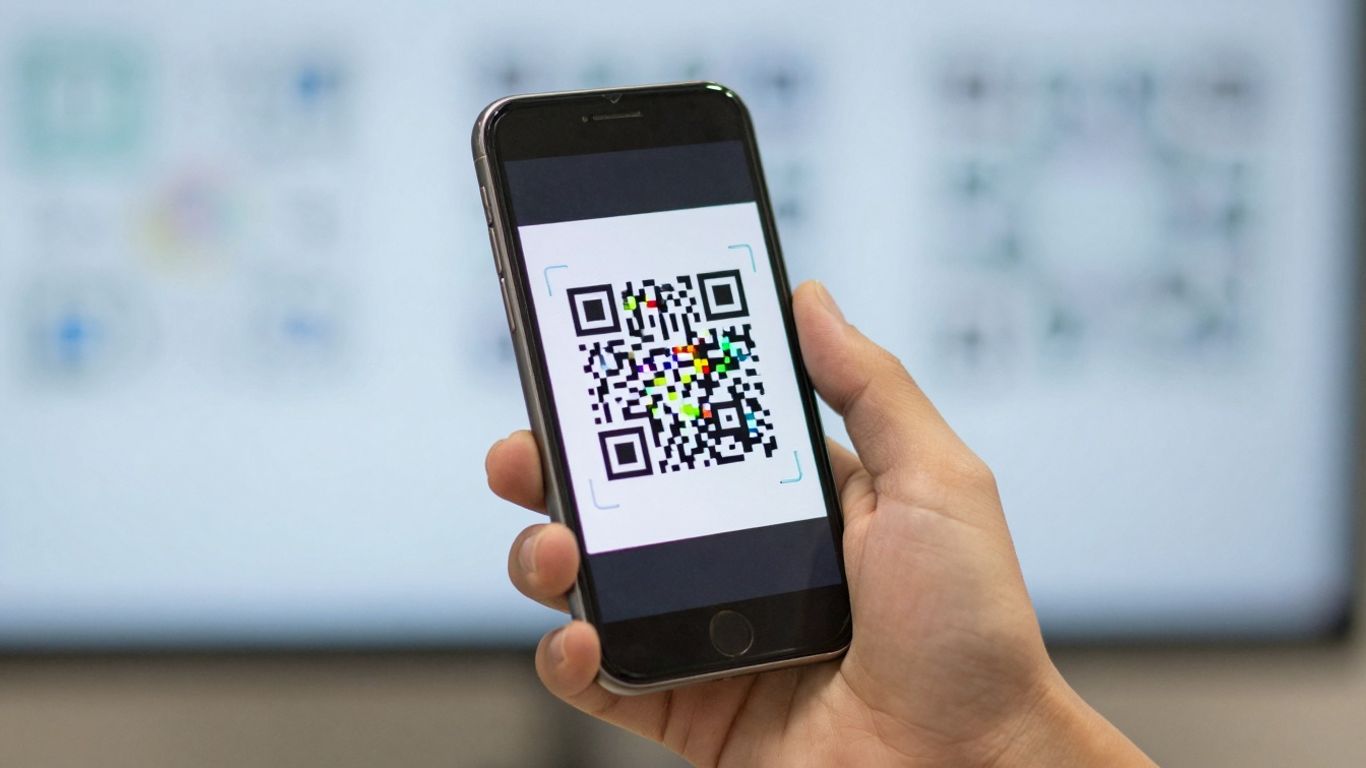
Forget the days of typing out long, complicated wallet addresses. Blockchain wallet QR codes are here to make sending and receiving digital currency as simple as a quick scan. This technology takes the guesswork out of transactions, turning what used to be a multi-step process into something that can be done in seconds. It’s about making the digital currency experience more accessible to everyone, regardless of their technical background.
Seamless In-Person Transactions
Imagine you’re at a local market or a small shop that accepts cryptocurrency. Instead of fumbling with your phone to find your public address, the merchant simply displays a QR code. You open your wallet app, scan the code, confirm the amount, and the payment is sent. It’s that straightforward. This method is particularly useful for quick, on-the-spot purchases, cutting down on the time spent at the checkout.
Avoiding Manual Entry Errors
One of the biggest headaches with cryptocurrency transactions is the potential for typos. A single incorrect character in a wallet address can mean your funds go to the wrong place, and often, there’s no getting them back. QR codes eliminate this risk entirely. By scanning a code, you’re importing the exact address, removing the possibility of human error. This accuracy is a huge win for both senders and receivers.
The visual nature of QR codes provides a tangible link between the digital address and the physical act of payment, making the process feel more concrete and less prone to mistakes.
Here’s a quick look at how QR codes streamline the process:
- Sender: Opens wallet app, selects ‘send’, scans the recipient’s QR code.
- Wallet: Automatically populates the recipient’s address and the transaction amount.
- Sender: Reviews details, confirms the transaction, and sends.
- Recipient: Receives funds instantly, with no manual address input required.
Security and Privacy Features
When you use a blockchain wallet QR code, you’re interacting with a system designed with security and privacy in mind. It’s not just about making payments faster; it’s also about protecting your digital assets.
Protecting Your Funds with QR Codes
Think of your wallet address as a public mailbox. Anyone can see it, and anyone can send funds to it. However, just like you wouldn’t want just anyone knowing your home address for all your mail, you want to manage who sees your transaction history. QR codes help here by making it easy to share your address without accidentally revealing other sensitive information. The act of scanning a QR code to send funds also reduces the chance of errors. Typing out a long string of characters for a wallet address is a common way people make mistakes, sending their crypto to the wrong place forever. A QR code eliminates this risk.
The Role of QR Codes in Privacy
Privacy on the blockchain is a bit different from what we’re used to. While transactions are often public, the identities behind the addresses are not. QR codes play a part in maintaining this pseudonymity. Many modern wallets automatically generate a new address for each incoming transaction. This is a smart move. If you always use the same address, someone could link all your transactions together and build a profile of your spending habits. By using a fresh address each time, it becomes much harder for anyone to track your complete financial history on the public ledger. It’s a simple step that adds a significant layer of privacy.
Generating New Addresses for Transactions
Here’s a practical tip for boosting your privacy: always try to use a new address for each transaction you receive. Most digital wallets are set up to do this automatically. When a new QR code is generated for receiving funds, it represents a unique address. While your older addresses still work and are linked to your wallet, using a new one each time makes it significantly more difficult for observers to piece together your entire transaction history. It’s a small effort that makes a big difference in keeping your financial activities more private on the blockchain.
- Reduces transaction history tracking: Prevents a single, long history from being easily linked to your identity.
- Enhances pseudonymity: Makes it harder for external parties to analyze your spending patterns.
- Improves security posture: Limits the exposure of any single address to potential future vulnerabilities.
The blockchain is a public ledger, meaning transactions are visible to anyone. While your identity isn’t directly tied to your wallet address, your transaction history can still reveal a lot. Using new addresses for each transaction is a key privacy practice that helps keep your financial activities more obscured from public view.
Practical Applications of QR Codes
Cross-Border Payments Made Easy
Imagine sending money to someone in another country as easily as you pay for coffee down the street. That’s the promise of QR codes in cross-border transactions. Instead of dealing with complex bank wires or currency exchange booths, a simple scan can settle payments internationally. This is a game-changer for individuals sending money to family abroad or for businesses that regularly deal with international suppliers. It cuts down on fees and speeds up the process significantly.
Merchant and Consumer Benefits
For merchants, accepting QR code payments means opening their doors to a wider customer base, including tourists who might not have local payment methods. It simplifies checkout, reduces the need for expensive card readers, and can even lead to increased sales because the payment process is so straightforward. Consumers, on the other hand, get the convenience of using their familiar digital wallets, often with clear exchange rates displayed upfront. This makes shopping and paying, whether at home or while traveling, much less of a hassle.
Here’s a quick look at how QR payments benefit both sides:
| Feature | Merchant Benefits | Consumer Benefits |
|---|---|---|
| Transaction | Faster settlement, lower fees | Quick, contactless payment |
| Reach | Access to international customers | Use of familiar payment apps globally |
| Operations | Reduced hardware costs, simplified accounting | No need for cash or multiple cards |
| Transparency | Clear transaction records | Real-time exchange rates, predictable costs |
Real-World Use Cases for QR Payments
We’re already seeing QR codes pop up in many places. Think about international airports where you can pay for duty-free items with a scan, or restaurants in tourist hotspots that accept payment via popular global apps. Freelancers are using QR codes to get paid by clients overseas without waiting days for bank transfers. Even small online shops can now easily accept payments from customers anywhere in the world. It’s about making global commerce feel as local as possible.
The shift towards QR code payments is more than just a trend; it’s a practical solution addressing the friction points in global commerce. By simplifying the technicalities of international payments, QR codes are making the world a smaller, more connected marketplace for everyone involved.
These applications show that QR codes aren’t just a novelty; they are becoming a standard tool for efficient and accessible payments across borders.
Navigating Potential Challenges
While blockchain wallet QR codes offer a streamlined way to handle digital assets, it’s important to acknowledge the hurdles that can arise. Addressing these issues head-on is key to building confidence and ensuring widespread adoption.
Addressing Interoperability Hurdles
One significant challenge is making sure different systems can talk to each other. Imagine trying to pay with a QR code, but the scanner can’t read it because it’s from a different network or uses a slightly different format. This lack of standardization can slow things down and cause frustration. Different countries or even different wallet providers might use unique QR code structures, leading to payment failures or the need for manual workarounds. Industry groups are working on common standards, like EMVCo, to help systems communicate better. For instance, some regions are piloting unified QR code formats to make it easier for merchants to accept payments from international customers.
Ensuring Security and Preventing Scams
Security is always a top concern with digital transactions. While QR codes themselves are generally secure, the way they are used can sometimes open doors for bad actors. Scammers might try to trick people into scanning malicious QR codes that lead to fake websites designed to steal private keys or financial information. It’s also possible for someone to generate a QR code that looks legitimate but actually points to a different address than intended, leading to funds being sent to the wrong place. Always double-check the destination address displayed after scanning a QR code before confirming any transaction.
Building Trust in Digital Transactions
For many, especially those new to cryptocurrency, the idea of digital wallets and QR codes can seem complex. Building trust means making these systems easy to understand and use, while also demonstrating their reliability and safety. Transparency in how transactions work and clear communication about security measures are vital. When users feel confident that their funds are safe and that the process is straightforward, they are more likely to embrace this technology. Education plays a big role here, helping people understand the benefits and how to use QR codes responsibly.
The Future of Blockchain Wallet QR Codes
As we look ahead, the humble QR code is set to become even more integrated into the fabric of digital finance. Innovations are constantly refining how we interact with our blockchain wallets, making transactions smoother and more accessible globally. The evolution of QR code technology promises to simplify complex financial processes for everyone.
Innovations in QR Payment Technology
We’re seeing a move towards more dynamic and intelligent QR codes. These aren’t just static images anymore; they can contain more information, adapt to different payment scenarios, and even integrate with smart contracts. Think about QR codes that automatically apply discounts or verify identity before a transaction is even initiated. This level of sophistication is being driven by advancements in how data is encoded and read, making payments faster and more secure. For instance, some platforms are exploring QR codes that can facilitate recurring payments or split bills automatically, reducing the need for manual intervention.
Increasing Global Adoption
The convenience of QR codes is a major driver for their worldwide acceptance. As more people gain access to smartphones, the barrier to entry for digital payments lowers significantly. This is particularly impactful in regions where traditional banking infrastructure might be less developed. Unified payment platforms are merging various financial services, making cross-border payments easier. These platforms combine QR payments, digital wallets, and open banking into one system, simplifying things for both businesses and consumers. This approach helps eliminate the need for multiple apps or cards, streamlining international transactions. Businesses looking to expand globally can find international money transfer software insights helpful in understanding these shifts.
The Evolving Landscape of Digital Wallets
Digital wallets are becoming more than just places to store cryptocurrency; they are evolving into comprehensive financial hubs. The integration of QR code scanning is a key part of this evolution. Future wallets might offer advanced features like:
- Instantaneous cross-border payments: Scan and pay anyone, anywhere, with minimal fees.
- Integrated loyalty programs: Earn rewards directly through QR code transactions.
- Decentralized identity verification: Securely prove who you are for transactions without sharing excessive personal data.
The trend is clear: QR codes are moving beyond simple payment requests. They are becoming versatile tools that can trigger complex actions within the blockchain ecosystem, from executing smart contracts to managing digital assets. This expansion means greater utility and convenience for users.
This ongoing development means that the QR code on your blockchain wallet is likely to become an even more powerful gateway to a wide range of financial activities in the years to come.
Wrapping Up Your QR Code Journey
So, we’ve walked through how QR codes make sending and receiving crypto much simpler. It’s really about making things easier for everyone, whether you’re just starting out or have been in the crypto space for a while. By using these visual codes, you cut down on typing errors and speed up your transactions. Remember to always double-check, use the copy function when possible, and keep an eye out for security. This technology is here to stay and will likely become even more common, so getting comfortable with it now is a smart move for managing your digital assets.
Frequently Asked Questions
What exactly is a blockchain wallet QR code?
Think of a QR code for your blockchain wallet as a special picture that holds your wallet’s address. Instead of showing a long, complicated web address, this picture is a shortcut. When someone scans it with their phone, it automatically gives their phone your wallet address so they can send you digital money.
Why are QR codes used for sending crypto?
QR codes make sending digital money much faster and easier. People don’t have to type out long addresses, which can lead to mistakes. Scanning a QR code is quick and accurate, helping to prevent errors and speed up the whole process of sending and receiving payments.
Is sharing my wallet’s QR code safe?
Yes, it is generally safe to share your wallet’s QR code because it only shows your public address, which is like your bank account number. It does not reveal your private keys, which are needed to access and spend your money. However, always be careful who you share it with, just like you would with any personal information.
Can I use QR codes for payments when I travel?
Absolutely! QR codes are great for paying in different countries. They help avoid confusion with different money types and make transactions quick. Many places around the world now accept QR code payments, making international shopping much simpler.
What happens if I accidentally scan a bad QR code?
If you scan a QR code that leads to a scam, it might try to trick you into sending money to the wrong place or giving away personal information. It’s important to be cautious and only scan QR codes from trusted sources. If you’re unsure, it’s best not to proceed with any transaction.
Will QR codes be used more in the future for digital money?
Yes, it’s very likely. As more people use digital money, QR codes will become even more common. They are a simple and effective way to handle payments, and technology is always improving to make them even better and more widely used for all sorts of transactions.