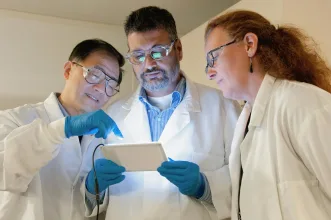
Technology is changing the face of healthcare across every area of the industry. Hospitals, clinics, and research facilities are transforming how they operate through digital tools that connect patients and professionals in ways that once seemed impossible. Artificial intelligence, wearable sensors, and virtual consultations are helping doctors deliver faster and more accurate care.
Patients can now access medical advice without stepping into a clinic. Doctors can monitor vital signs through cloud-based systems. Let us highlight how these advancements are rebuilding healthcare into a system that is smarter, more responsive, and deeply centered on human well-being.

The Rise of Telemedicine
Telemedicine has moved beyond being a convenient option to becoming a standard part of healthcare. A patient can speak to a specialist on a smartphone, share medical reports, and receive prescriptions instantly. This accessibility has transformed the doctor–patient relationship into something more continuous and flexible.
Further, remote care has become a lifeline for people living far from hospitals or with limited mobility. During global health crises, it proved essential for maintaining routine care while keeping patients safe at home.
Building a Secure Foundation with Digital Health Records
Paper files once filled hospital basements, often leading to misplaced information and slow coordination between departments. Electronic Health Records, or EHRs, changed that system completely. A patient’s medical history, prescriptions, allergies, and imaging results can now be stored digitally and shared instantly among authorized professionals.
Greater connectivity has improved coordination, but it has also exposed hospitals to cyber risks. The 2017 WannaCry ransomware attack on the UK’s National Health Service revealed how vulnerable digital systems can be when security is overlooked. Medical services were disrupted and vital data was locked, forcing institutions worldwide to strengthen their defenses. The rapid shift toward digital records has made cybersecurity in healthcare one of the most critical foundations of modern patient care.
Artificial Intelligence Driving Smarter Decisions
Artificial intelligence is helping medical professionals diagnose diseases and predict risks with remarkable accuracy. Machine learning algorithms can review medical images, analyze lab results, and detect early signs of conditions like cancer or heart disease. These systems process information in seconds, supporting doctors in making informed decisions.
AI enhances the decision-making process and gives healthcare teams more time for meaningful interaction with patients. Intelligent systems handle repetitive data analysis while doctors concentrate on treatment and care planning. Predictive tools help hospitals prepare for outbreaks, manage patient loads, and identify treatment patterns early.
Robotics and Automation in Treatment and Surgery
Surgical robots are giving doctors a new level of control and precision. Surgeons can operate through smaller incisions, resulting in shorter recovery periods and less pain for patients. Robots assist in performing complex procedures that require steady, exact movements, improving accuracy and reducing complications.
Automation is extending beyond surgery. Hospital pharmacies now use robotic systems to prepare and dispense medications safely. Administrative automation handles routine tasks like scheduling or billing, allowing staff to focus on patient care.
Wearable Technology Empowering Patients
Wearable devices have become personal health companions. Smartwatches, glucose monitors, and fitness trackers collect data on heart rate, oxygen levels, sleep quality, and physical activity. This information provides a real-time picture of a person’s well-being and allows doctors to track changes without frequent visits.
Patients feel more involved in managing their health when they can see their data and understand what it means. Early alerts from these devices can signal irregularities before they turn into serious problems. The healthcare experience is becoming more efficient, transparent, and personal.
Big Data Transforming Research and Treatment
Healthcare produces vast amounts of information every single day. Every test result, prescription, and patient interaction adds to a growing database of knowledge. Big data analytics helps professionals turn this sea of information into meaningful insights. Researchers can now identify disease patterns, predict outbreaks, and measure treatment effectiveness on a global scale.
Hospitals use data-driven tools to evaluate how well treatments are working for different patient groups. It helps doctors make informed choices and improve protocols faster. The ability to process millions of data points in seconds enables discoveries that once took years.
Personalized Medicine and Genetic Innovation
Medical treatment is no longer one-size-fits-all. Personalized medicine tailors therapies to a person’s genetics, lifestyle, and health history. Genetic testing allows doctors to see how a patient’s body might respond to certain drugs or identify potential risks long before symptoms appear. This shift toward precision care reduces guesswork and creates safer treatment plans.
Advances in genomics have opened doors to therapies that target diseases at their genetic root. Cancer treatments, for example, are now being designed to attack specific mutations rather than general tumor types. It leads to better outcomes and fewer side effects.
Future Outlook – A Connected and Equitable Healthcare Ecosystem
The next stage of healthcare will focus on connection. Devices, hospitals, and homes will share data securely through interconnected systems. Doctors will have instant access to patient information across platforms, creating a seamless care experience. Artificial intelligence will act as a silent partner, guiding diagnostics and recommending treatment plans.
This vision depends on maintaining trust, accessibility, and equity. Advanced technology must reach everyone, not just those with financial or geographic advantages. Global health organizations and governments are working to bridge the digital divide by funding infrastructure, education, and policy reforms. The aim is a healthcare environment where innovation supports all populations equally.
Technology continues to redefine the structure and delivery of healthcare. Each innovation brings new ways to diagnose, treat, and prevent disease with greater accuracy and efficiency. Doctors now have digital systems that support better decisions, and patients have tools that help them stay informed about their own well-beingwell-being.
Hospitals are adopting electronic records, artificial intelligence is improving diagnostics, and robotics is transforming surgical precision. Wearable devices keep patients connected to their health data and encourage active participation in their care. These developments show a clear shift toward a more integrated and data-driven model of medicine.