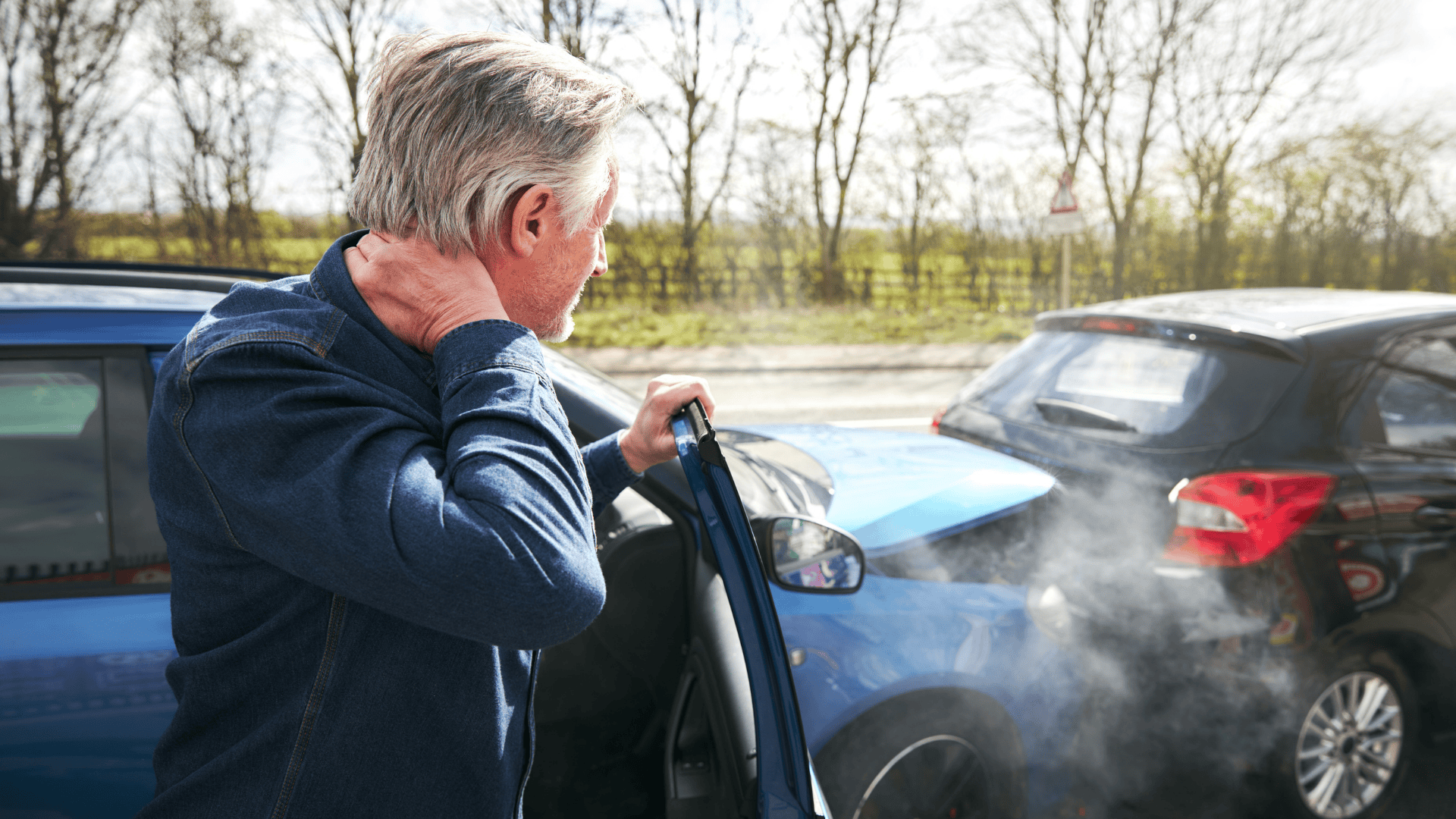
Florida is the retiree magnet par excellence: sunshine, palm trees, and an infinite number of golf carts throughout the state where millions of seniors have chosen to spend their golden years. However, traffic here is an entirely different animal, particularly for the elderly. With age, the eye is not as sharp as it once was, the reflexes are not so quick, and the skeleton is relatively fragile.
The roads in Florida do not make the situation any better: traffic everywhere, confusing intersections, and giant roundabouts. According to Fasig | Brooks Law Office professionals, understanding these risks is crucial for senior safety on the road. Let us dig into what makes things dicey and what can actually help.
Other Older Adults
Florida is, to a large degree, the nation’s retirement capital. One in four Florida drivers will be over the age of 65 by the year 2030, according to the NHTSA. Older drivers will typically keep a safe pathway, but age comes with its own brand of challenges: slower reflexes and vision that is not quite up to par.
Once you pile all these humans with identical issues in the position where they all need to pass through an approaching street or foreboding roundabout simultaneously, that is not exactly the recipe for fluid traffic flow, and car accidents will most certainly follow. The concentration of senior drivers in certain areas creates unique traffic patterns that require extra caution and patience from all road users.
Tourists and New Drivers
Florida is among the most popular tourist destinations. They roll in by the millions, excited for sun and theme parks, then hop into rental cars they have never driven before. Suddenly, everyone is fumbling with the GPS, guessing which lane to be in, and maybe even making a wild U-turn.
Add to that drivers who simply are not accustomed to the confusion, such as the elderly who already react a beat slower, and you have a disaster on the horizon. Tourist season brings an influx of drivers unfamiliar with local roads, creating additional hazards for seniors who may already be struggling with navigation and quick decision-making.
Sunny Skies, Hidden Risks
Florida seems like paradise, with sun and palm trees all over the place, but that sunshine can turn on you quickly. Have you ever attempted driving directly into a sunrise or sunset there? You barely see anything besides a wall of dazzling light. The weather also comes on suddenly. One moment it is hot; the next you are driving through heavy rain with no visibility and roads as slippery as ice.
If you are of an age where your eyes are not as sharp, or your reflexes are not as quick, it is trouble. Even on lovely days, the humidity can fog up glasses and windshields. So, yes, it is sunny, but for most seniors who are trying to navigate, Florida highways are not exactly easy mode.
Fragile Bones and Serious Injuries
“It is not just bad weather or reckless drivers making Florida roads risky,” says attorney Jimmy Fasig. Sometimes, it is your own body that throws a wrench in things, especially as you get older. Brittle bones sneak up on you; one minute, you are fine, the next, that little fender bender leaves you with a personal injury like a busted hip or a cracked rib.
A younger person might walk away from a car accident with nothing more than being pretty shaken. Seniors? Not so simple. The result could be broken bones, hospital stays, and endless physiotherapy. For adults, safe driving is about keeping their bodies intact and not turning the quick jaunt down to the grocery store into months in rehab.
Understanding Medical Factors
Age-related medical conditions can significantly impact driving ability. Medications for common senior health issues like high blood pressure, diabetes, and arthritis can cause drowsiness, dizziness, or slower reaction times. Vision problems such as cataracts, glaucoma, and macular degeneration become more common with age, making it harder to judge distances and see clearly in various lighting conditions. Hearing loss can also prevent seniors from detecting important audio cues like honking horns or emergency vehicle sirens.
Compensation for Seniors
Florida is also a no-fault state, so you will file with your insurer. If you are seriously hurt or those bills go through your PIP coverage, however, you have cause to sue the other driver for more money. According to the Florida Department of Highway Safety and Motor Vehicles, seniors are particularly vulnerable to insurance companies offering inadequate settlements due to their perceived lack of future earning potential.
Insurance reps are skilled at dragging out ridiculous offers in the hopes that you will take them and walk away. Do not get a car accident attorney who is experienced in the ins and outs of Florida auto accidents, one who has actual victories on their resume and actual client testimonials. Having the appropriate legal assistance ensures that you receive the money that you deserve.
Prevention and Safety Tips
While the risks are real, seniors can take steps to stay safer on Florida roads. Regular eye and hearing exams help identify issues early. Avoiding driving during peak tourist seasons or rush hours when possible reduces exposure to chaotic traffic. Planning routes in advance and using familiar roads can minimize confusion and stress.
Keeping a safe following distance and avoiding aggressive driving behaviors helps compensate for slower reaction times. Most importantly, seniors should honestly assess their driving abilities and make adjustments as needed, whether that means limiting night driving or seeking alternative transportation options when necessary.