Roof flashing protects your home from water damage by directing water away from vulnerable areas such as chimneys, vents, and valleys. This component consists of metal sheets or other waterproof materials installed around these openings to prevent water from seeping in.
Many homeowners overlook flashing maintenance until they spot leaks or other signs of roof damage. Understanding what roof flashing is and how it works will equip homeowners to maintain their roofs and avoid costly repairs.
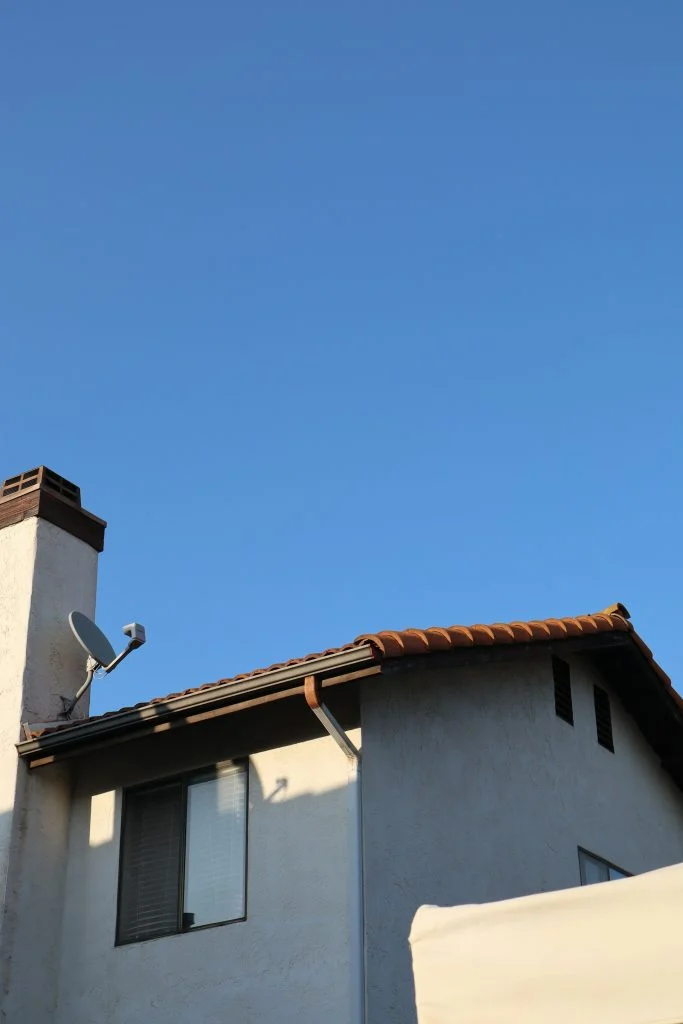
The Importance of Roof Flashing
Without proper flashing, water can easily find its way into your home, leading to mold growth, wood rot, and structural deterioration. Residential roofing is subjected to a range of weather conditions, including heavy rain and snow. In extreme conditions, these elements can seep under shingles or tiles if not adequately managed. Just as your entire roofing system depends on its materials holding up against the elements, reliable flashing guarantees that these interactions do not compromise your home’s integrity.
Regular inspection of roof flashing can extend the life of your roofing system. Homeowners should address any issues to prevent minor problems from escalating. Flashing can become damaged due to physical impacts, tree debris, or even improper installation. Worn-out flashing can result in higher energy bills due to compromised insulation from moisture infiltration.
Steps to Repair Flashing
Repairing roof flashing is a task that homeowners can undertake with some basic knowledge and tools. The first step is to pinpoint the damaged area or section that requires repair. For minor damage, you might simply need to reseal the flashing with a high-quality roofing sealant. After cleaning the area of debris and old sealant, apply the new sealant evenly.
Carefully remove the damaged flashing by unscrewing it from the roof. Measure the replacement piece to fit precisely so that it matches the original installation type. Familiarizing yourself with how to repair flashing safeguards your roof’s performance and integrity. The surface beneath the flashing is dry before applying any new materials. Taking care of minor issues can prevent larger complications.
Common Flashing Types
The most common type includes valley flashing, used in roof valleys where two sloped roofs meet. This area is susceptible to water pooling and requires strong flashing. Another prevalent type is chimney flashing, which seals around the chimney to prevent leaks where it intersects with the roof. This flashing comes in two parts: base flashing and counter flashing.
Preventative measures guarantee that flashing types match the roof structures they protect. Step flashing is used around walls, whereas continuous flashing runs horizontally along the top edges of vertical surfaces. These diverse types of flashing help homeowners identify potential vulnerabilities in their roofs.
Signs Your Flashing Needs Attention
Being aware of the signs that your flashing demands inspection or replacement. Homeowners should look for visible rust or corrosion, which signals that the flashing may no longer be effective. Discoloration, peeling paint, or stains on nearby walls can indicate water intrusion, suggesting that flashing is failing. If you notice mold or mildew, these are signs of moisture build-up.
Another warning sign is curled or peeling shingles adjacent to the flashing. If you see bubbling or blistering in the roof surface, it could mean trapped moisture. Standing water in areas near your flashing can compromise your roofing system. Regularly inspecting your flashing during roof maintenance will keep your home protected and minimize repair costs.
Preventative Maintenance Tips for Flashing
Homeowners should incorporate regular roof inspections into their seasonal maintenance routines. Check the flashing for corrosion, rust, and any signs of cracking. Keeping debris off your roof and away from flashing will improve its longevity by preventing moisture retention.
Maker repairs year-round instead of delaying until the next major storm. Leaks can worsen, resulting in more costly repairs. Painting metal flashing with rust-resistant paint can protect against corrosion. Gutters should be clean and free of blockages, as overflowing gutters can create additional moisture problems in the flashing areas.
When to Call an Expert
Many flashing repairs can be performed by homeowners. Some situations may call for professional intervention. If you find extensive damage or are uncomfortable with heights, hiring a qualified roofing contractor is advisable. Professionals can evaluate your roof’s condition and address complex repairs.
Existing roofing warranties may require a certified professional to handle repairs for them to remain valid. A roofing expert brings insights that can prevent minor issues from escalating into larger problems. Qualified contractors will have the proper tools and experience needed for effective flashing repairs. Investing in professional maintenance pays dividends in keeping your home’s roof and internal structures safe.
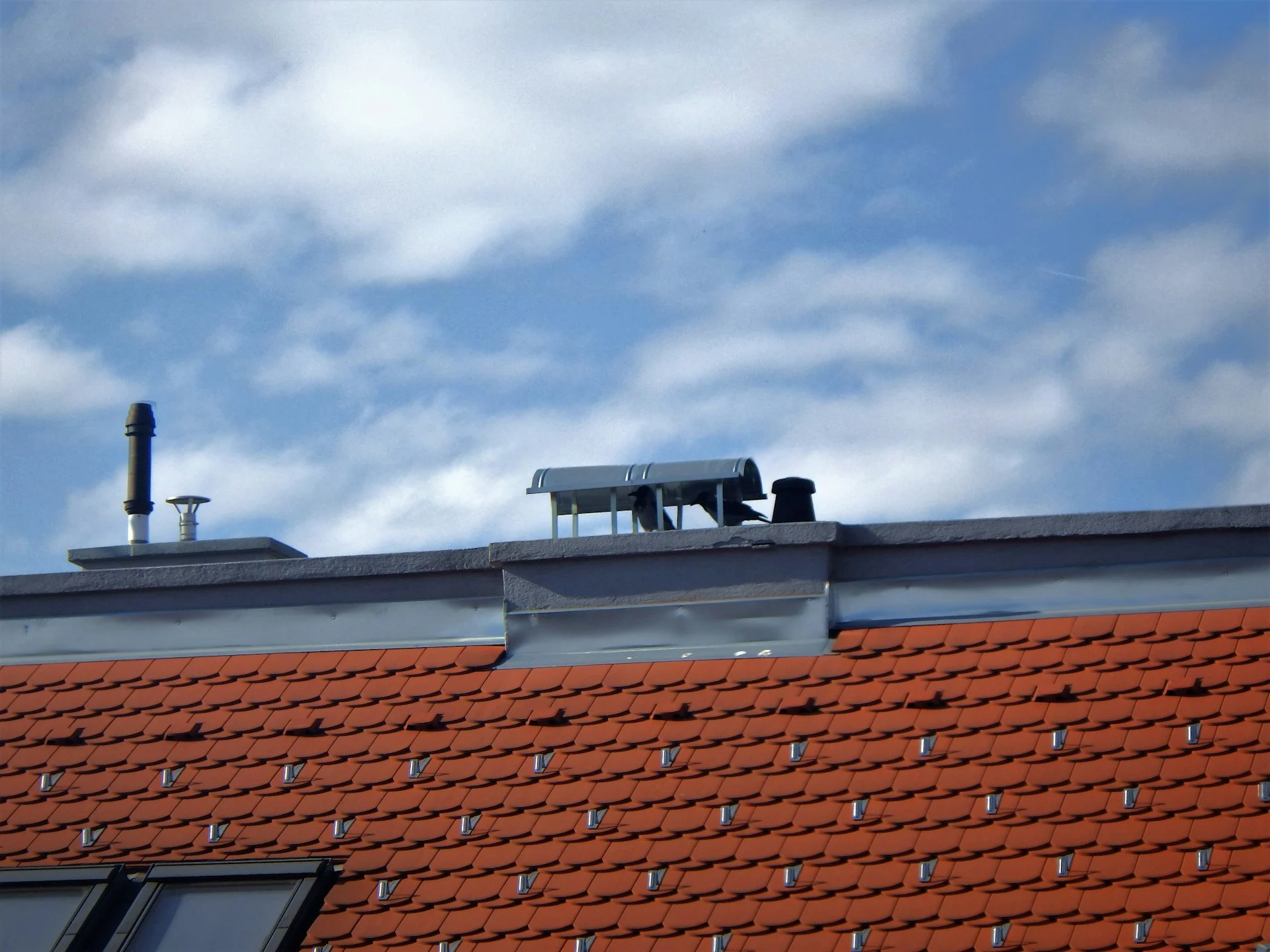
Reliable roof flashing safeguards your home from water damage. By understanding its importance, recognizing the signs of wear, and knowing when to perform repairs or call professionals, homeowners can maintain the integrity of their roofs. Regular inspections and preventative measures are necessary so that your roof remains in good condition and protects your home effectively.