The rising demand for environmentally conscious construction has brought attention to how building materials are sourced. Responsible forestry practices offer a direct way to support sustainability goals while meeting the needs of modern development. Builders, designers, and homeowners have started to take a closer look at where their wood comes from and how that affects long-term environmental health. Understanding the relationship between forest management and material performance helps shape more informed decisions.
The Importance of Forest Stewardship
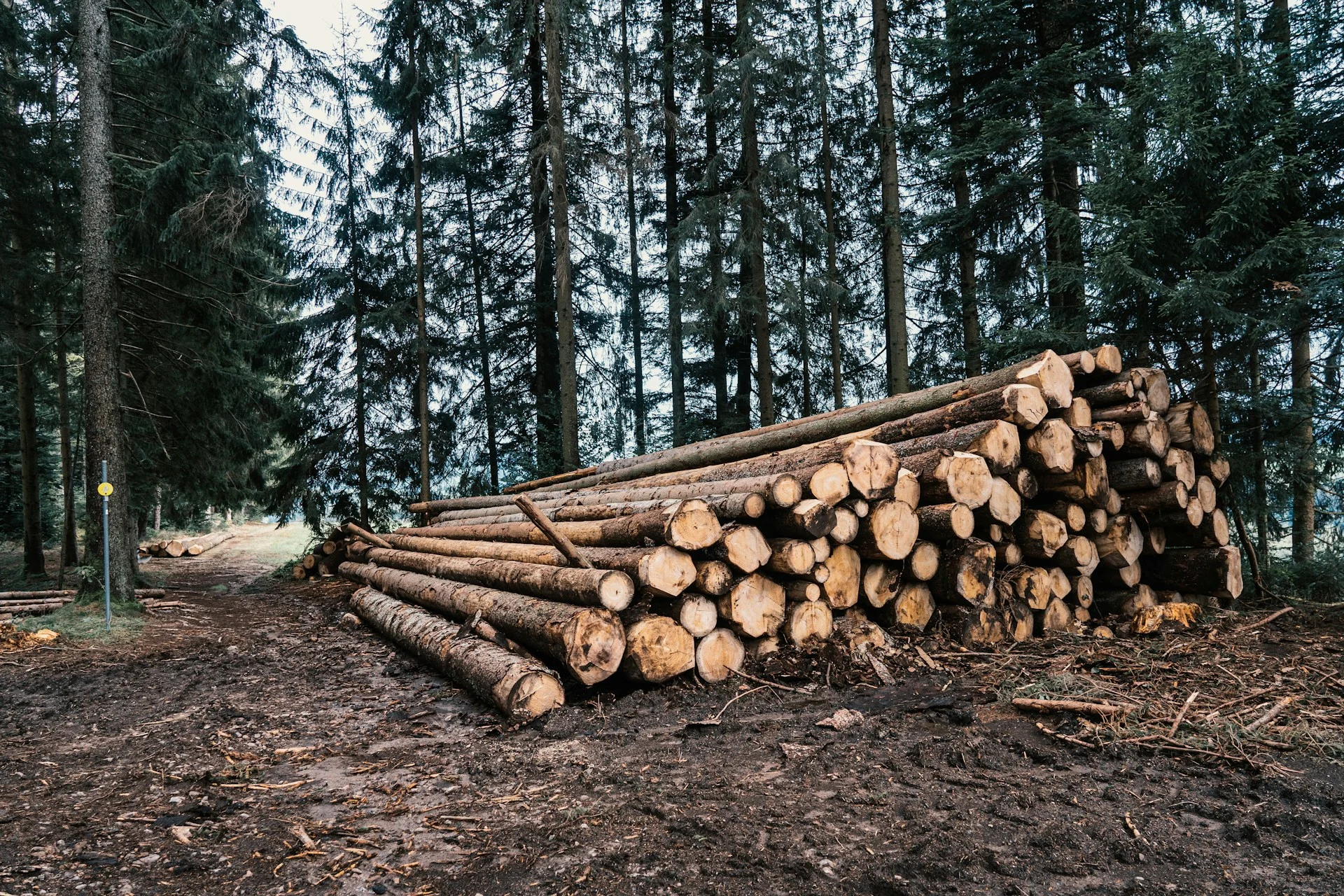
Forests play a vital role in regulating the planet’s climate and maintaining biodiversity. Poor forestry practices, such as clear-cutting or unregulated harvesting, disrupt ecosystems and increase carbon emissions. Responsible forestry avoids this damage through techniques that preserve tree health, encourage regrowth, and maintain soil integrity.
Forest stewardship councils and similar certification bodies have emerged to ensure harvested wood meets strict ecological standards. These systems trace wood from its origin through processing, which creates transparency throughout the supply chain.
Comparing Materials for Eco Impact
Construction teams often face pressure to balance cost, performance, and sustainability. Comparing wood with alternatives such as steel or concrete reveals a clear advantage in terms of energy use and emissions. Steel and concrete require high temperatures and large energy inputs during production. This adds significant carbon to the environment before any material reaches a job site.
Wood, in contrast, grows naturally and requires far less energy to process. As long as the supply chain respects responsible sourcing, the result offers a much lower environmental impact. While synthetic materials often last longer in extreme conditions, treated and engineered woods can now match or exceed their performance.
Certification and Traceability
To ensure a wood product supports responsible forestry, look for certifications like the Forest Stewardship Council (FSC) or the Programme for the Endorsement of Forest Certification (PEFC). These labels verify that harvesting practices follow strict environmental guidelines. The certification process involves forest audits, regular inspections, and supply chain checks.
Traceability matters just as much as certification. Builders, homeowners, and distributors should all understand how the wood moves from forest to final product. Technologies such as blockchain now help track materials and maintain accountability. Transparent sourcing supports forest health and promotes trust among clients and partners.
Encouraging Innovation in Wood Products
As responsible sourcing gains popularity, demand for innovative wood products continues to grow. Engineers and manufacturers now create cross-laminated timber, treated structural lumber, and hybrid wood composites that rival traditional materials in strength and stability. These innovations reduce waste and open up new design possibilities for both residential and commercial spaces.
Innovation does not stop with engineering. Creative uses of wood in design and finishes give buildings character and natural beauty. Even recycled wood finds new life through reclaimed materials that contribute to a building’s story while avoiding unnecessary harvests.
Global Impact and Local Choices
The choices made in individual construction projects influence global supply chains. When buyers favor responsibly sourced wood, forest managers receive incentives to keep trees healthy and manage land with care. Local lumberyards and building centers benefit from carrying certified products, which can support regional economic growth.
In many communities, the use of sustainable materials creates stronger ties between people and the environment. Schools, community centers, and homes built with certified wood can serve as everyday reminders of the importance of conservation. Responsible material choices become part of a larger culture of care and stewardship.
Long-Term Advantages for Homeowners
Homeowners who invest in responsibly sourced building materials often see lasting benefits. Certified wood performs well, resists damage, and holds up in a wide range of conditions.
Its low carbon footprint contributes to the overall environmental performance of a home, which becomes a key selling point if the property enters the real estate market. Maintenance costs tend to stay lower when high-quality, sustainable wood products are used correctly. Strong grain structure and fewer chemical treatments result in surfaces that resist decay, warping, and pest infestation. These performance factors create both comfort and financial savings.
Educational Opportunities for Future Builders
Raising awareness about sustainable forestry among students and new professionals helps build a stronger future. Programs that introduce young builders, carpenters, and designers to responsible material sourcing equip them to make better choices. Schools and trade organizations can promote workshops, certification education, and job site exposure focused on these practices.
Encouraging the next generation to value forest health ensures that construction continues to evolve in the right direction. Responsible forestry must remain part of the conversation as technology and materials change.
The Role of Policy and Community Support
Policy plays a powerful role in guiding sustainable building practices. Governments can support forestry programs, fund replanting efforts, and enforce harvesting limits. At the same time, local communities can shape the conversation through public preferences, planning decisions, and investment in green infrastructure.
Builders who engage with local stakeholders often find opportunities to educate and influence material choices. This collaboration can lead to stronger projects and more sustainable outcomes across neighborhoods and cities.
Responsible forestry practices support much more than just trees. They shape the future of construction, protect ecosystems, and guide consumers toward better decisions. Builders, designers, and homeowners all benefit when forests thrive and materials stay sustainable. As demand for environmentally sound building practices increases, the case for renewable wood becomes stronger with every project.