
Manufacturing, being one of the biggest users of raw materials, faces the most pressure to adapt. With waste piling up and environmental damage becoming harder to ignore, businesses are under constant pressure to rethink how they produce and how they handle resources. In this article, you will learn why recycling plastics is no longer just an option but an important part of modern manufacturing.
Using Fewer Raw Materials
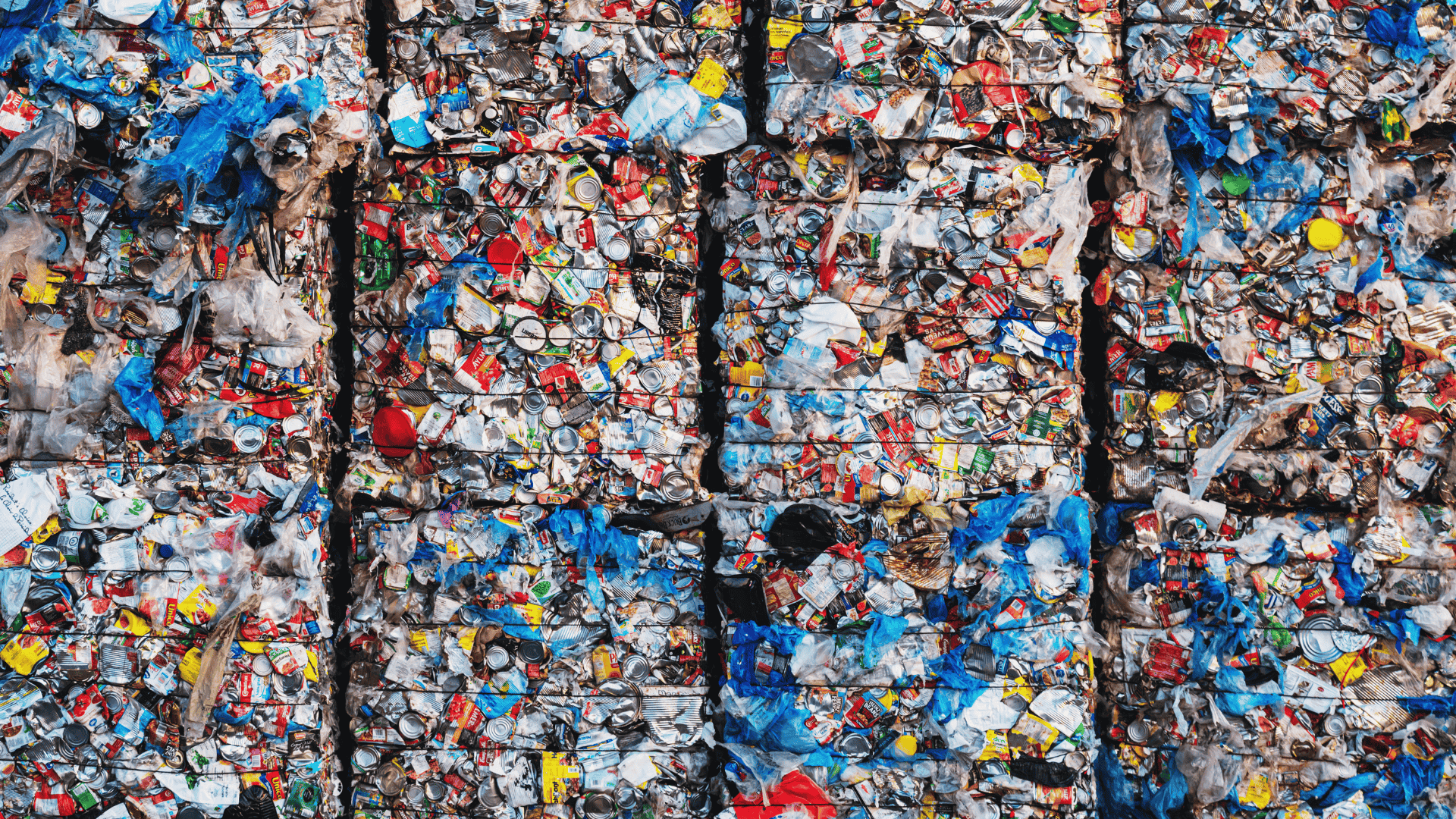
Traditional manufacturing relies heavily on virgin plastic, which is derived from fossil fuels. The trouble is that fossil fuels are finite, and extracting them from underground has dire consequences for the planet. When you recycle plastic, you’re cutting down on the need for new raw materials, thus conserving natural resources. At the same time, less land disturbance and pollution are entering the air and water.
Cutting Down Energy Use
One of the single largest hidden costs for making plastic from scratch, for instance, is energy. The whole process, from drilling for oil to refining and production, requires massive amounts of power. So when you replace pure plastic with recycled alternatives, you reduce the amount of power that you need. For a manufacturer, it’s a win-win, since by reducing costs, you’re doing something good for the environment.
Keeping Waste Out of Landfills
Plastic persists for hundreds of years, taking up residence in landfills or making its way into rivers and oceans. This not only eases the burden on overburdened landfills but also keeps plastic from harming marine life. For manufacturing enterprises, it fits with waste reduction and sustainability objectives. When you recycle, you ensure that resources have a new life rather than getting left behind as waste.
Meeting What Consumers Expect
If your company admits to the matter of recycling, such a statement is a message that you care about the planet. It’s that loyalty that pays off in the long run in long-term customer relations. When people perceive your company to be environmentally friendly, you’re well ahead of the competition. Plastic Recycling isn’t just what happens inside the factory; it’s about taking your values into the world outside.
Keeping on the Legal Side of Things
Around the world, governments are imposing stricter rules on how waste should be handled and how much carbon industries can emit. You are ahead of the curve when new laws are enacted by slashing waste and reducing emissions. Rather than scrambling to become compliant down the road, you’re establishing practices that protect your business from fines and ensure a more sustainable future.
Reducing Costs in Production
Operating a manufacturing business takes tight margins, and raw materials are the largest portion of the budget. Recycled plastic is also cheaper than virgin plastic, more so when you’re dealing with mass runs. These savings add up and give you scope for reinvestment in other areas of the business. The good news is, you don’t have to sacrifice quality; recycled materials can be as effective as brand-new ones.
Building a Circular Economy
Rather than using resources once and throwing them out, this model offers materials a second life. When you recycle plastic, you become part of this cycle, ensuring resources are used to their maximum potential. This mindset minimises the inspiration of a model of resources without necessity. For manufacturers, it’s a chance to lead the way and show how industry can move to smart systems.
Manufacturing with a Greener Outlook
Sustainability isn’t like other fads, and it is not going to go away anytime soon, unless you’re the one going away. Every little helps when it comes to recycling, and the more positive steps you can show you have taken, the more you enhance your profile and make your enterprise fit for the future. Recycling is one of the effective plans companies can put in place to remain socially responsible in today’s world.











