Artificial intelligence (AI) and digital healthcare are converging to reshape the future of patient care. By harnessing software development services for healthcare, providers and innovators are creating smarter, more efficient, and patient-centered solutions. This synergy promises to improve diagnostics, optimize treatments, and expand access to care worldwide.
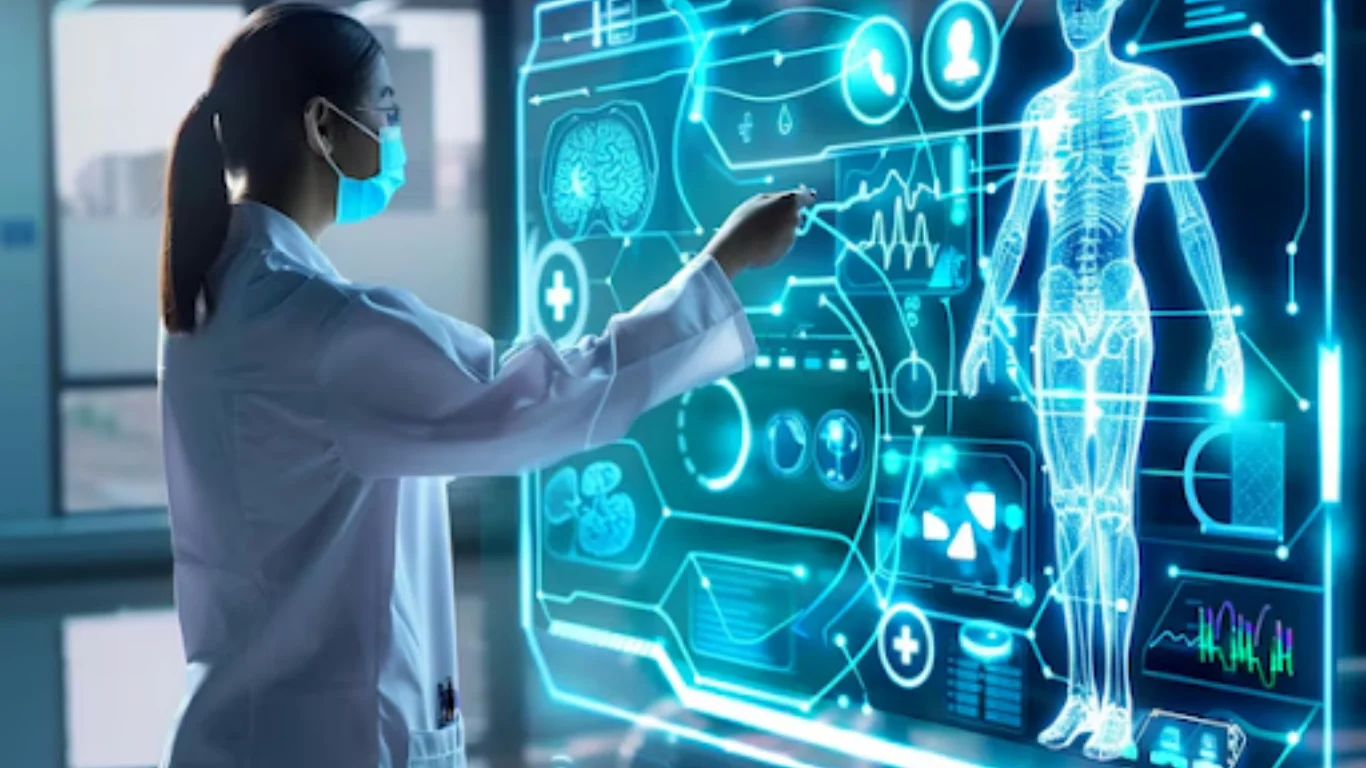
Why AI is the Driving Force in Digital Healthcare
AI stands at the core of digital healthcare innovation. With global investment in AI-powered medical solutions surpassing $20 billion in 2024, healthcare organizations are adopting AI to improve efficiency and accuracy. Forecasts indicate that by 2026, nearly 40% of healthcare processes will be supported by AI-driven solutions, ranging from clinical workflows to predictive analytics.
Core AI Development Solutions for Healthcare
Predictive Analytics for Patient Outcomes
AI algorithms analyze medical histories and real-time health data to predict risks and detect diseases at early stages. This proactive approach allows providers to prevent complications and reduce hospital readmissions.
AI-Powered Diagnostics and Imaging
AI-driven imaging tools enhance radiology and pathology by identifying anomalies faster and with higher accuracy. These systems assist physicians in diagnosing conditions like cancer, heart disease, and neurological disorders.
Virtual Health Assistants and Chatbots
Intelligent chatbots and virtual assistants provide 24/7 support, answering patient questions, scheduling appointments, and monitoring symptoms. This increases accessibility while reducing administrative burdens.
Drug Discovery and Personalized Medicine
AI accelerates the drug discovery process by analyzing molecular data and simulating outcomes. It also supports personalized treatment plans based on a patient’s genetic profile and medical history.
Operational Efficiency and Workflow Automation
Hospitals and clinics leverage AI to optimize workflows, manage electronic health records, and streamline supply chain operations. Automation reduces costs and frees up professionals for patient-focused care.
Integration of AI in Digital Healthcare Ecosystems
AI thrives when integrated with broader healthcare ecosystems. From wearables that monitor vital signs to telemedicine platforms offering remote consultations, AI bridges data across devices and systems. This integration ensures continuity of care and enhances collaboration among patients, providers, and insurers.
Challenges and Ethical Considerations
Despite its promise, AI in healthcare faces hurdles. Data privacy remains a top concern, especially with sensitive patient records. Ethical issues, such as algorithmic bias and lack of transparency, require careful oversight. Moreover, regulatory compliance across global markets demands strict adherence to evolving standards.
The Future of AI in Digital Healthcare
The future of AI in digital healthcare is shaped by a combination of technological progress, patient demand, and systemic transformation. As healthcare systems continue to face challenges such as rising costs, staff shortages, and the need for more personalized treatment, AI will play an increasingly central role. From supporting clinicians with data-driven insights to enabling proactive prevention strategies, AI solutions are moving beyond experimental pilots and into mainstream healthcare delivery. The road ahead points toward a fully connected, AI-powered healthcare environment. Key directions include:
- Personalized, preventive medicine tailored to individual needs
- Wider adoption of AI in telemedicine and hybrid care models
- Seamless integration with wearable technologies and IoT devices
- Improved data security and ethical governance frameworks
- Global scalability of AI-powered platforms
Conclusion
By 2026, AI software development solutions will become the backbone of digital healthcare. Their impact will be visible in faster diagnoses, smarter treatments, and more accessible care worldwide. Through thoughtful integration, ethical implementation, and patient-focused innovation, AI and digital healthcare together will redefine the future of medicine, improving outcomes for millions.