Ethereum has grown from an ambitious idea in 2015 into the second-largest cryptocurrency by market capitalization. While bitcoin is often regarded as digital gold, Ethereum is seen as the backbone of decentralized applications (dApps), decentralized finance (DeFi), and non-fungible tokens (NFTs). Over the past decade, Ethereum has continuously evolved, offering far more than a digital currency. It is now the foundation of a decentralized ecosystem where developers can build applications without centralized intermediaries.
This article will take a deep look into what Ethereum is, how it works, what influences the Ethereum price (USD), and what the future might hold for this groundbreaking project.
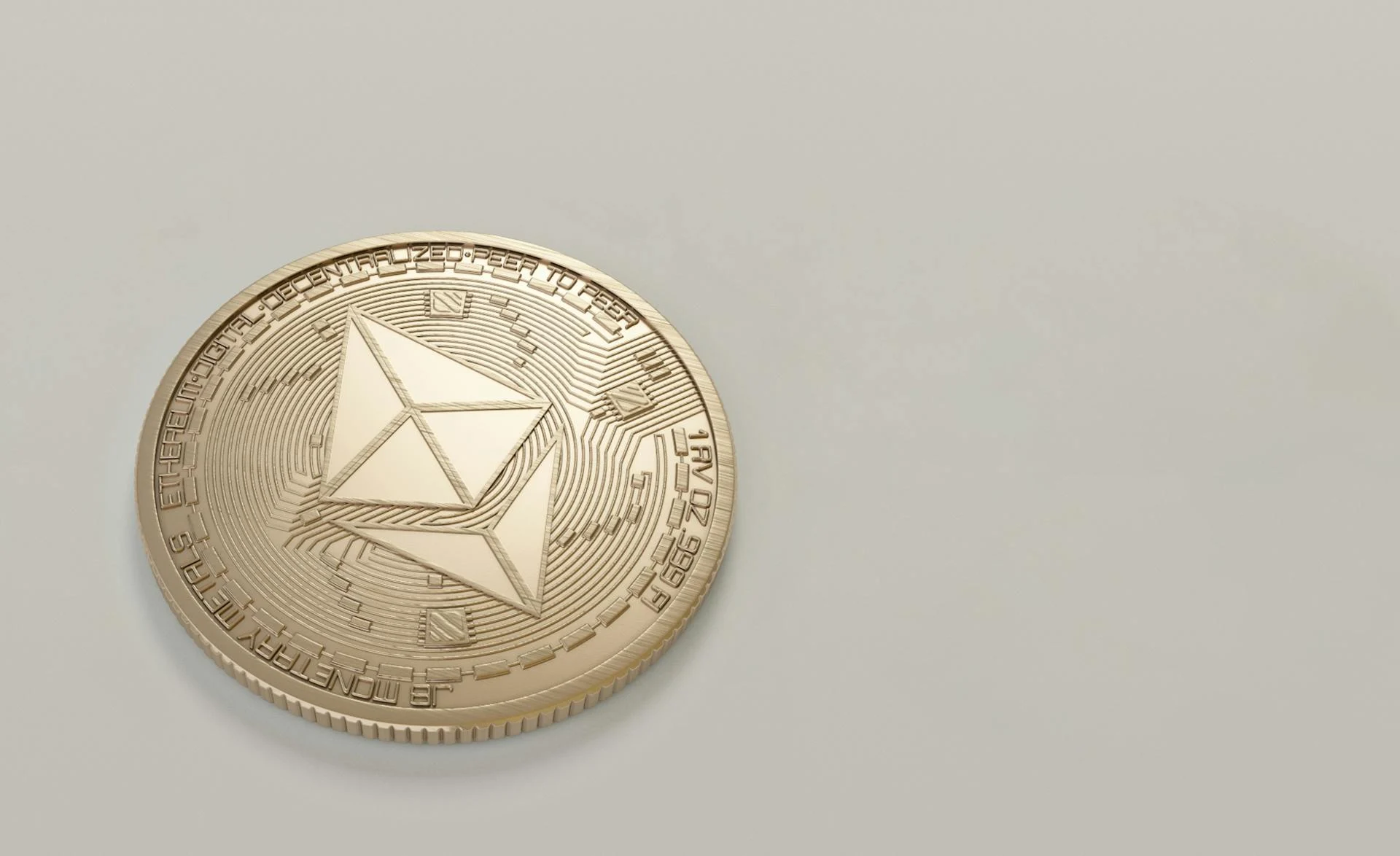
What Is Ethereum?
Ethereum is a blockchain-based platform that allows developers to create and deploy smart contracts. These are self-executing programs with the terms of an agreement directly written into code. Unlike bitcoin, which primarily focuses on peer-to-peer payments, Ethereum was designed to be more flexible. Its programmable blockchain makes it possible to run decentralized applications ranging from simple financial tools to complex ecosystems like decentralized exchanges or lending protocols.
The native cryptocurrency of the network is called Ether (ETH). While many people casually refer to the token itself as “Ethereum,” Ether is the unit of value used to pay transaction fees, interact with smart contracts, and secure the network.
The Origins of Ethereum
Ethereum was proposed in 2013 by Vitalik Buterin, a young programmer who saw the limitations of bitcoin’s scripting language. In 2015, after raising funds through an initial coin offering (ICO), the Ethereum mainnet officially launched.
The project attracted a wide developer community early on because it allowed anyone to write code that could be executed on a decentralized blockchain. From there, Ethereum quickly grew into a hub for innovation. Initial coin offerings in 2017, decentralized finance in 2020, and the NFT boom in 2021 all had Ethereum as their backbone.
How Ethereum Works
At its core, Ethereum operates on a distributed ledger maintained by nodes across the globe. Every transaction, contract deployment, or dApp interaction is recorded on the blockchain. Ethereum initially used a Proof-of-Work (PoW) consensus mechanism, similar to bitcoin, which relied on miners solving computational puzzles to validate transactions.
However, in September 2022, Ethereum successfully transitioned to Proof-of-Stake (PoS) in an upgrade known as “The Merge.” Under PoS, validators stake their ETH to secure the network and propose new blocks. This change dramatically reduced Ethereum’s energy consumption by more than 99% and positioned it as a more sustainable blockchain solution.
Factors Influencing Ethereum Price in USD
Like all cryptocurrencies, the Ethereum price in USD is influenced by a complex mix of factors. Some of the most significant include:
1. Network Adoption and Demand
The more people use Ethereum for dApps, DeFi, and NFTs, the greater the demand for ETH to pay transaction fees. When demand outpaces supply, prices rise.
2. Technological Upgrades
Ethereum has undergone several upgrades aimed at improving scalability and lowering fees. The shift to Proof-of-Stake and future sharding upgrades are expected to make Ethereum more efficient, which could positively impact its valuation.
3. Market Sentiment
Cryptocurrencies are heavily influenced by market psychology. News about regulations, institutional adoption, or security breaches can drive both bullish and bearish sentiment.
4. Competition
Ethereum faces competition from other smart contract platforms such as Solana, Cardano, and Avalanche. If competitors gain significant traction, they could put downward pressure on Ethereum’s market dominance.
5. Macroeconomic Conditions
Like traditional assets, Ethereum is not immune to global economic forces. Interest rate changes, inflation, and shifts in investor appetite for risk can all affect the Ethereum price in USD.
Ethereum and Decentralized Finance (DeFi)
One of Ethereum’s biggest contributions to the crypto world is DeFi. DeFi applications allow users to lend, borrow, trade, and earn yield without traditional intermediaries like banks. Protocols such as Uniswap, Aave, and MakerDAO are built on Ethereum and handle billions of dollars in transactions every day.
Because ETH is used to pay for transactions on these platforms, the success of DeFi has a direct impact on Ethereum demand. When DeFi activity rises, gas fees increase, signaling higher demand for ETH. This often correlates with upward movement in the Ethereum price in USD.
Ethereum and NFTs
NFTs (non-fungible tokens) exploded into the mainstream in 2021, and most of that activity took place on Ethereum. From digital art to in-game assets, NFTs rely heavily on Ethereum’s ERC-721 and ERC-1155 token standards.
High-profile NFT sales drew attention from celebrities, investors, and major brands. This not only increased ETH usage but also boosted Ethereum’s visibility as the go-to platform for digital ownership. Even though the NFT market has cooled since its peak, Ethereum remains the leading chain for NFT development and trade.
The Impact of The Merge
The Merge in 2022 was one of the most significant events in Ethereum’s history. By transitioning to Proof-of-Stake, Ethereum drastically reduced its environmental footprint. Additionally, ETH issuance decreased, and with the EIP-1559 fee-burning mechanism in place, some analysts have argued that ETH could become a deflationary asset over time.
This has led to a narrative of Ethereum as “ultrasound money,” appealing to both institutional and retail investors who are looking for long-term value storage in addition to utility.
Ethereum Price in USD: Historical Trends
Looking back, the Ethereum price in USD has experienced massive volatility:
- 2015: Launched at under $1.
- 2017: Surged to over $1,300 during the ICO boom.
- 2018: Crashed below $100 during the crypto winter.
- 2021: Reached an all-time high of over $4,800 during the DeFi and NFT craze.
- 2022–2023: Fluctuated between $1,000 and $2,000 amid global economic uncertainty and crypto market corrections.
This volatility highlights both the risks and opportunities of investing in Ethereum.
Future Outlook for Ethereum
The future of Ethereum largely depends on its ability to scale and maintain its dominance in the smart contract space. Upcoming upgrades, such as sharding and layer-2 solutions, aim to dramatically increase transaction throughput and reduce fees.
If successful, Ethereum could support billions of users and transactions, reinforcing its position as the world’s primary decentralized platform. This could, in turn, drive up adoption and positively impact the Ethereum price in USD.
Additionally, institutional adoption is expected to grow. With regulatory frameworks slowly taking shape, more traditional investors are gaining exposure to Ethereum through futures, ETFs, and custody services.
Risks and Challenges
Despite its strengths, Ethereum is not without risks:
- Scalability issues remain until upgrades are fully rolled out.
- Competition from newer, faster blockchains could erode market share.
- Regulatory scrutiny might impact Ethereum’s role in DeFi and NFTs.
- Security risks exist in smart contracts, as bugs and exploits can result in significant losses.
Investors and users must weigh these risks carefully when considering exposure to Ethereum.
Conclusion
Ethereum is far more than just a cryptocurrency. It is a global platform for decentralized innovation, powering everything from DeFi and NFTs to enterprise blockchain solutions. While its journey has been marked by volatility, its ability to adapt and evolve has kept it at the forefront of the crypto space.
As adoption grows and scalability improves, Ethereum is well-positioned to remain a central player in the digital economy. For anyone watching the Ethereum price in USD, it is important to remember that short-term fluctuations are part of the market cycle, but the long-term vision of Ethereum remains as compelling as ever.